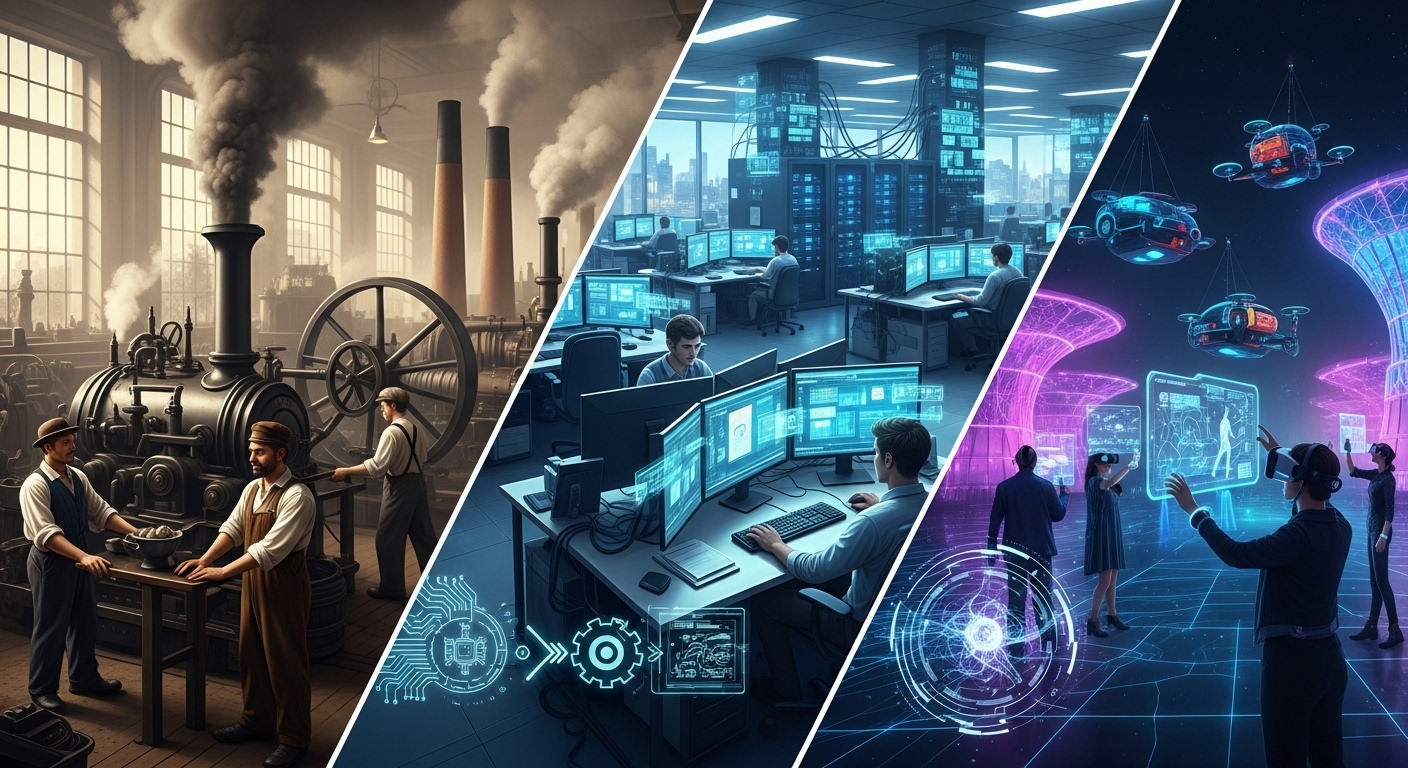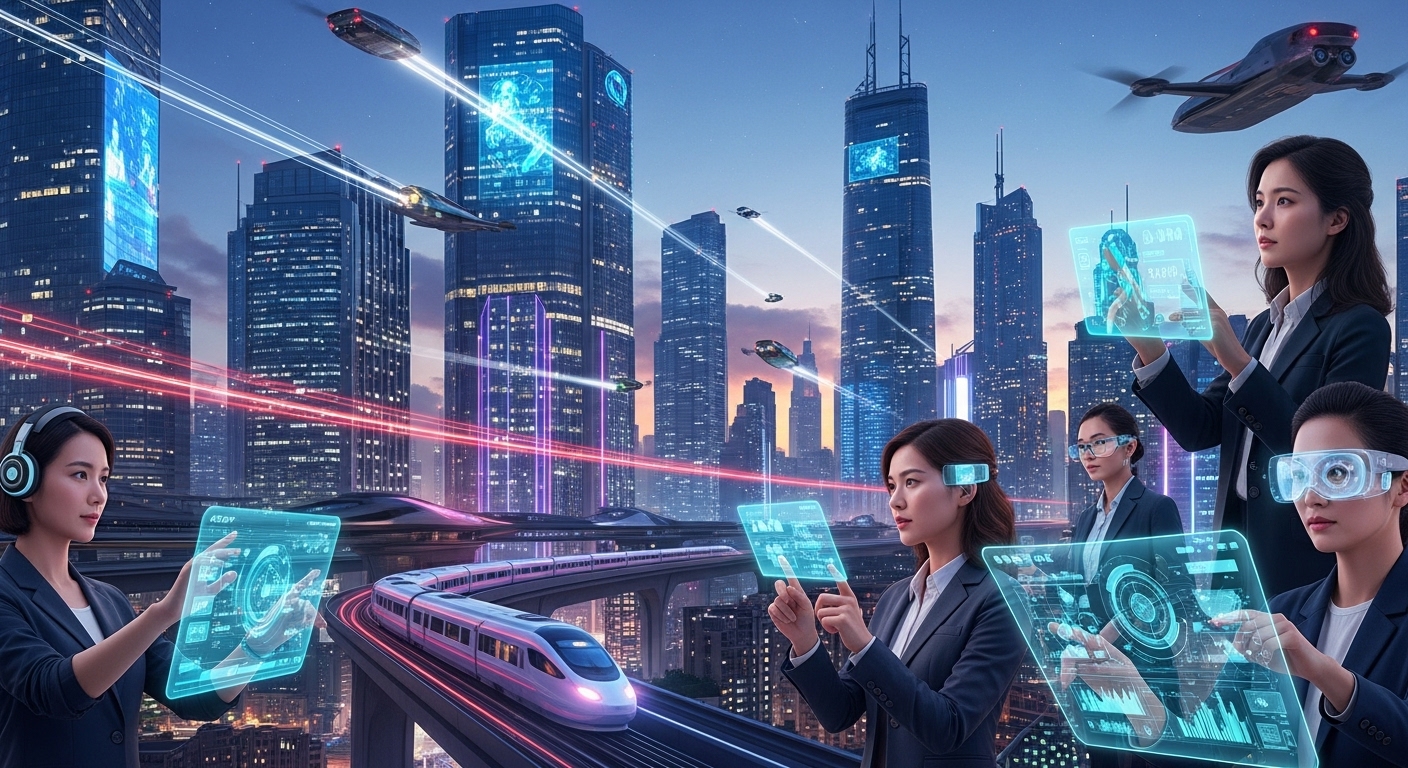

Technology has become the cornerstone of modern life. It drives the way we communicate, work, learn, and entertain ourselves. Every day, new innovations push the boundaries of what is possible, transforming industries and societies alike. From artificial intelligence to sustainable energy solutions, emerging technologies are reshaping our world in ways that were unimaginable just a few decades ago. This article explores the most impactful technologies today, their implications, and how they are shaping the future.
Artificial Intelligence: The Brain Behind Modern Innovation
Artificial Intelligence, or AI, has moved from theoretical research to practical applications in our everyday lives. AI encompasses machine learning, natural language processing, computer vision, and predictive analytics. These technologies allow machines to analyze data, recognize patterns, make decisions, and even learn from experience.
In healthcare, AI helps in diagnosing diseases, predicting patient outcomes, and analyzing medical imaging. Retail businesses use AI to anticipate consumer behavior and deliver personalized shopping experiences. Financial institutions rely on AI to detect fraud and assess risk more accurately. While AI brings immense advantages, it also raises ethical concerns regarding privacy, algorithmic bias, and job displacement. Balancing innovation with responsibility is essential as AI continues to evolve.
Quantum Computing: A Revolution in Processing Power
Quantum computing represents a new frontier in computing. Unlike classical computers, which process information using bits (either 0 or 1), quantum computers use qubits, which can exist in multiple states simultaneously. This allows quantum systems to perform complex calculations exponentially faster than traditional computers.
Quantum computing has applications in diverse areas such as cryptography, climate modeling, drug discovery, and optimization problems. For example, researchers can simulate molecular interactions more efficiently, speeding up the creation of new medicines. Though still in its early stages, quantum computing promises to redefine the limits of problem-solving and innovation across industries.
5G Networks: Connecting the World in Real-Time
The introduction of 5G networks is transforming connectivity. With faster speeds, lower latency, and the ability to connect millions of devices simultaneously, 5G is enabling a new era of digital interaction.
Self-driving cars, smart cities, telemedicine, and real-time virtual reality experiences rely heavily on 5G technology. Autonomous vehicles need instant communication to navigate safely, while remote surgeries require real-time data transmission for precision. Beyond consumer applications, 5G is laying the foundation for hyperconnected systems that could change how cities, industries, and infrastructure operate on a global scale.
Blockchain Technology: More Than Digital Currency
Blockchain is often associated with cryptocurrencies, but its potential extends far beyond digital money. At its core, blockchain is a decentralized, immutable ledger that ensures data transparency and security.
Businesses are using blockchain for supply chain management, contract verification, digital identity management, and secure transactions. By eliminating intermediaries and enhancing trust, blockchain enables more efficient and transparent processes. Governments are exploring blockchain to reduce bureaucracy and improve transparency in public services. Its applications are expanding rapidly, showing promise for a more secure and efficient digital future.
Augmented Reality and Virtual Reality: Redefining Experiences
Augmented Reality (AR) and Virtual Reality (VR) are changing how humans interact with the digital world. AR overlays digital content onto real-world environments, enhancing how we perceive reality. VR immerses users in entirely virtual environments, creating fully interactive experiences.
In education, AR and VR make learning more engaging by visualizing complex concepts in 3D. Retailers allow customers to virtually try on products before purchase, improving shopping experiences. Healthcare professionals use VR simulations to practice surgeries and provide therapeutic interventions. These immersive technologies are transforming education, entertainment, healthcare, and professional training in unprecedented ways.
The Internet of Things: A World of Connected Devices
The Internet of Things (IoT) refers to the network of physical devices connected to the internet, allowing them to collect and exchange data. Smart homes, wearable devices, industrial sensors, and connected vehicles are just a few examples of IoT in action.
IoT enhances efficiency and convenience by automating tasks and providing actionable insights. Smart thermostats optimize energy consumption, wearable health devices track vital signs, and industrial sensors predict equipment failures before they occur. As IoT expands, securing these devices against cyber threats becomes increasingly critical to maintain trust and functionality in an interconnected world.
Sustainable Technology: Innovation for the Planet
Technology is playing a vital role in addressing environmental challenges. Renewable energy, energy-efficient systems, and sustainable manufacturing practices are helping reduce global carbon footprints.
Solar panels and wind turbines are becoming more efficient and affordable, providing clean energy alternatives. Electric vehicles reduce greenhouse gas emissions, while smart grids optimize energy distribution to reduce waste. Businesses are also adopting eco-friendly data centers and production processes. Technology is proving that innovation and environmental responsibility can coexist, creating a sustainable future for generations to come.
Cybersecurity: Safeguarding the Digital Realm
As technology becomes more integrated into everyday life, cybersecurity has emerged as a critical concern. Data breaches, ransomware attacks, and identity theft are increasingly common, affecting individuals and organizations alike.
Modern cybersecurity relies on artificial intelligence, machine learning, and encryption to detect and prevent threats in real-time. Multi-factor authentication and secure software development practices are essential in protecting sensitive data. As digital systems become more complex and interconnected, robust cybersecurity measures are indispensable to maintain trust and safety.
Ethics and Responsibility in Technology
With great technological power comes great responsibility. Ethical considerations must guide the development and implementation of new technologies. Issues such as AI bias, data privacy, mass surveillance, and automation’s impact on employment need careful attention.
Developers and policymakers must prioritize transparency, accountability, and inclusivity in technology design. Regulatory frameworks can help ensure that innovation benefits society as a whole rather than creating disparities or ethical dilemmas. Responsible technology fosters sustainable growth while minimizing unintended consequences.
The Future of Work: Technology in the Workplace
Technology is fundamentally reshaping the workplace. Automation, artificial intelligence, and digital collaboration tools are changing how tasks are performed and redefining skill requirements.
Routine and repetitive tasks are increasingly automated, allowing employees to focus on creative and strategic work. Remote work and virtual collaboration tools are becoming the norm, while AI-driven analytics support better decision-making. Adapting to these changes requires continuous learning and a willingness to embrace new skills that complement technological tools.
Healthcare Innovation: Technology Saving Lives
Healthcare has been transformed by technology, improving patient care and medical research. AI-assisted diagnostics, wearable health monitors, and telemedicine have made healthcare more accessible and efficient.
Medical imaging powered by AI can detect diseases at earlier stages, while wearable devices track vital signs in real time, helping prevent emergencies. Telehealth enables consultations from remote locations, making healthcare more inclusive. Technology is not only saving lives but also enhancing the quality of life for millions of people worldwide.
Education and Technology: Learning in a Digital Age
Technology has revolutionized education by making knowledge more accessible and learning more interactive. Digital classrooms, online courses, and AI-based learning platforms allow personalized learning experiences for students of all ages.
Virtual simulations and augmented reality provide hands-on learning experiences in fields like science, medicine, and engineering. Adaptive learning platforms adjust to individual student needs, ensuring better engagement and retention. Technology is shaping the next generation of learners, equipping them with skills for a rapidly evolving world.
Conclusion: Embracing Innovation with Responsibility
The technological landscape is evolving faster than ever, shaping the way we live, work, and interact. From AI and quantum computing to 5G, blockchain, and sustainable solutions, these innovations are transforming society in profound ways.
While technology offers immense opportunities, it also comes with responsibilities. Ethical development, cybersecurity, and sustainability must guide innovation to ensure that progress benefits humanity as a whole. By understanding, embracing, and responsibly applying technology, we can create a future that is connected, efficient, and sustainable. The journey of innovation is ongoing, and the choices we make today will define the world of tomorrow.