Introduction: The Invisible Engine of Progress
Technology is not merely a part of our lives anymore—it defines them. From the moment our alarm sounds in the morning to the time we switch off our devices at night, technology silently influences every aspect of our existence. It has become the invisible engine that drives society forward. The world has evolved from simple mechanical inventions to complex digital ecosystems that connect billions of people. Modern technology has reshaped how we work, learn, communicate, and even think. As we stand in the heart of this digital revolution, understanding how technology transforms our daily lives is essential for envisioning the future of humanity.
The Digital Transformation of Society
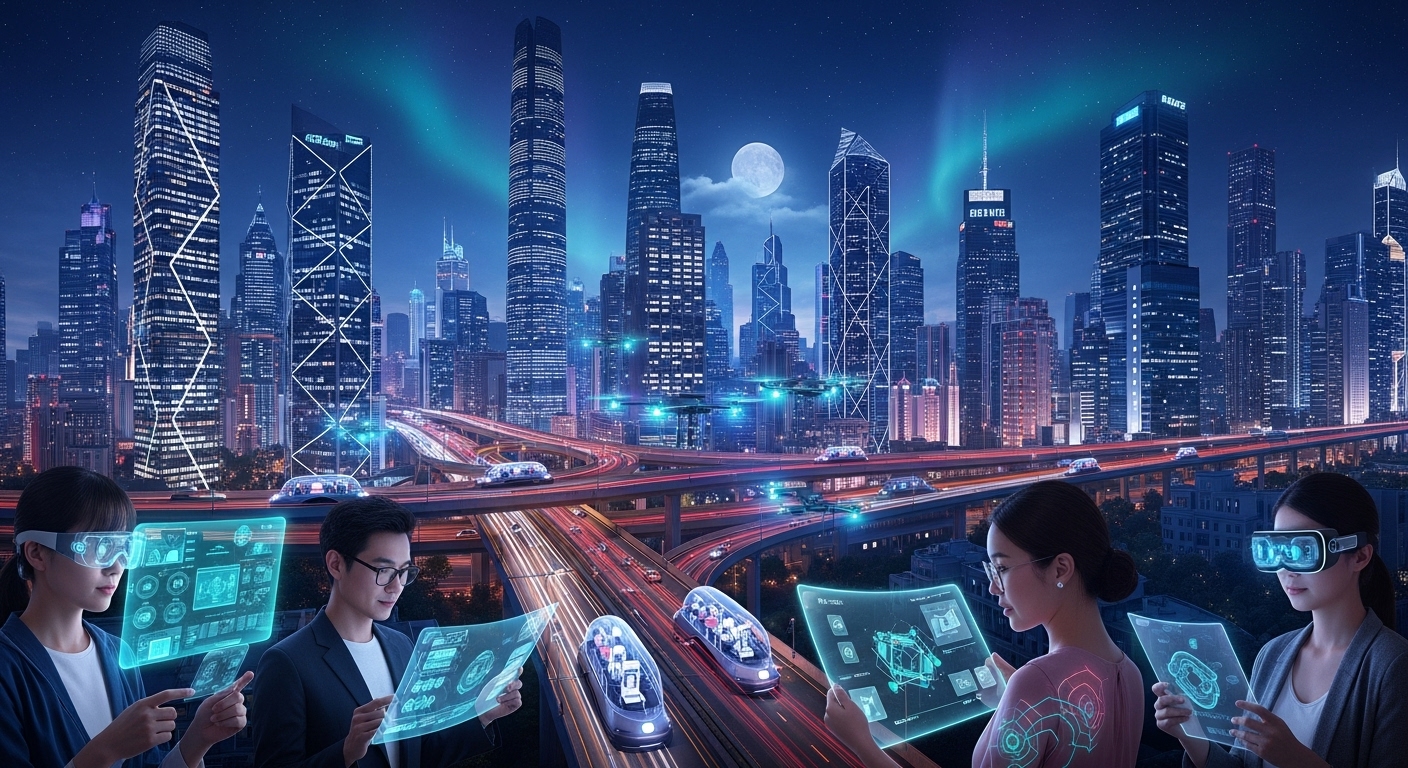
The digital transformation of society began with computers and the internet, but it has now expanded into every corner of life. From smart homes that adjust temperature automatically to online classrooms that educate millions across continents, digital tools are redefining convenience and accessibility. The integration of technology into governance, healthcare, education, and business has brought about unprecedented efficiency. Today, citizens can pay bills, attend meetings, and even consult doctors online without leaving their homes. Technology has blurred geographical boundaries, creating a global village where information and ideas flow freely. This transformation is not just technological—it is cultural, changing the way humans perceive time, distance, and opportunity.
Artificial Intelligence: The Brain Behind the Machine
Artificial Intelligence, often referred to as AI, stands as one of the most revolutionary forces of the modern age. It mimics human intelligence through learning, reasoning, and problem-solving. AI has moved from being a futuristic concept to a practical tool used in daily life. Voice assistants understand commands, recommendation systems predict our preferences, and self-driving cars navigate complex routes with precision. In the corporate world, AI streamlines workflows, analyzes massive datasets, and enhances decision-making. In medicine, it helps diagnose diseases with remarkable accuracy, assisting doctors in providing better patient care. Yet, as AI continues to evolve, ethical questions arise. Can machines make moral decisions? Should they replace human labor? These are questions that society must address as we embrace the AI-driven era.
The Internet of Things: A Connected Ecosystem
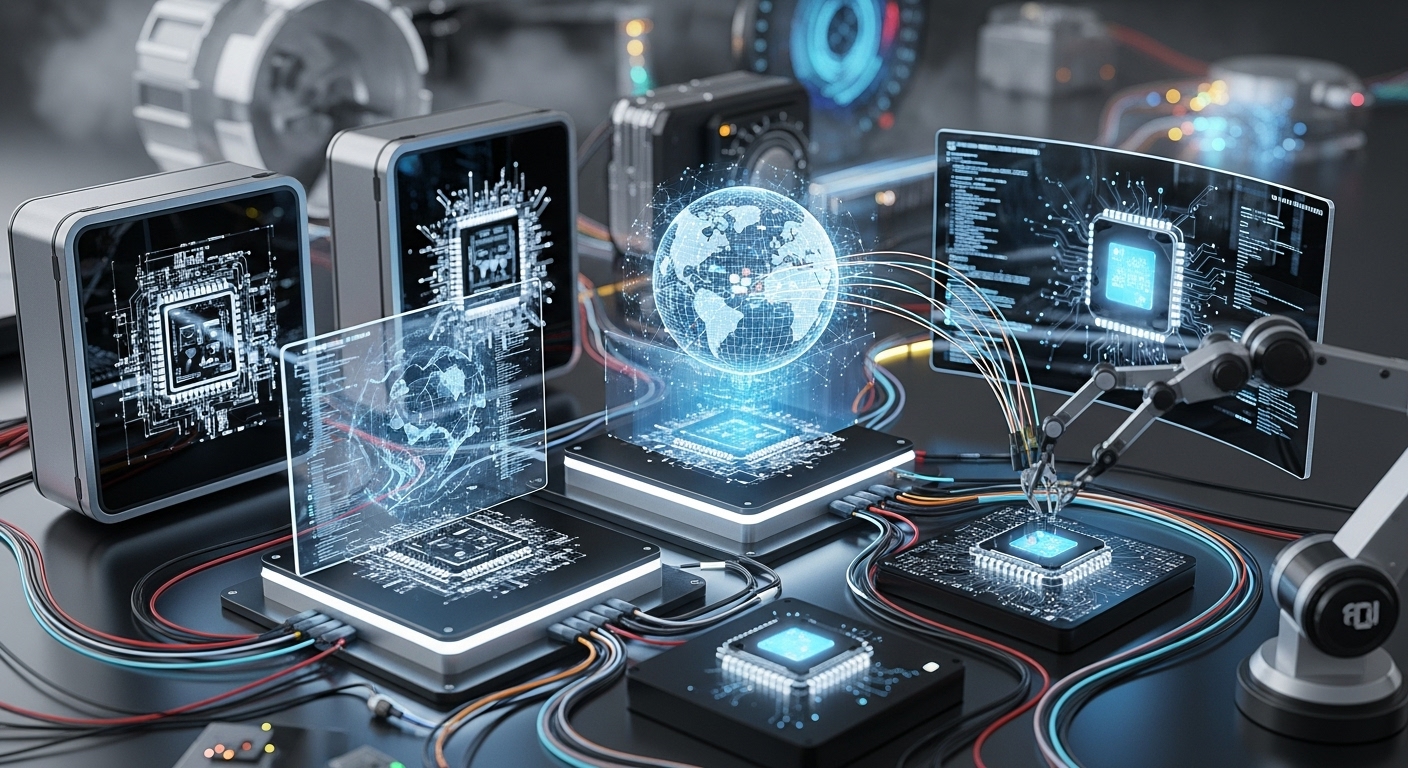
The Internet of Things, or IoT, refers to the network of interconnected devices that communicate and share data through the internet. Smartwatches monitor health metrics, security cameras send alerts in real time, and intelligent lighting systems save energy by responding to human presence. IoT has created an interconnected ecosystem that simplifies everyday tasks while improving efficiency. In industries, IoT sensors monitor machinery, reducing downtime and preventing failures. In agriculture, farmers use IoT-enabled tools to track soil health and optimize water usage. However, this interconnected world also faces vulnerabilities. The more devices that connect, the greater the potential for data breaches. Balancing innovation with cybersecurity remains one of the most pressing challenges of the connected age.
5G Networks: Fueling the Future of Connectivity
The introduction of 5G technology has opened a new chapter in digital communication. Offering speeds up to one hundred times faster than previous networks, 5G enables seamless connectivity for millions of devices simultaneously. This innovation supports the development of autonomous vehicles, remote surgeries, and immersive entertainment experiences. Beyond speed, 5G reduces latency, ensuring real-time communication for critical operations such as emergency services and industrial automation. For businesses, this means faster transactions, smarter logistics, and global collaboration without interruption. 5G is not just a technological upgrade; it is the backbone of the next wave of digital innovation that will redefine how humans and machines interact.
The Power of Cloud Computing
Cloud computing has become the foundation of the digital era, providing on-demand access to storage, software, and processing power. It eliminates the need for physical infrastructure, making technology more accessible and scalable for individuals and enterprises alike. With cloud services, businesses can store vast amounts of data securely and access it from anywhere. Collaboration tools powered by the cloud enable remote work and global teamwork, a trend that accelerated during the pandemic. For developers, cloud platforms provide a flexible environment to build and deploy applications faster. As organizations rely more on the cloud, data privacy and protection have become central concerns. Nevertheless, the cloud remains a crucial pillar of technological advancement, empowering both innovation and connectivity.
Automation and Robotics: Redefining the Workforce
Automation and robotics are transforming the global workforce. Robots now assemble cars, deliver packages, and even perform surgeries with unparalleled precision. Automation systems handle repetitive tasks, allowing humans to focus on creativity, strategy, and innovation. In industries such as manufacturing, logistics, and agriculture, robotics improves safety, consistency, and efficiency. However, as machines take over certain jobs, societies must adapt to a new employment landscape where digital literacy becomes as essential as reading and writing. The challenge is not to fear automation but to use it as a tool that complements human capability. The future workforce will be defined not by physical strength but by adaptability, creativity, and the ability to work alongside intelligent machines.
Cybersecurity: Protecting the Digital Frontier
In an age where information is more valuable than gold, cybersecurity has emerged as a crucial defense mechanism. Every digital transaction, communication, or file transfer carries potential risks. Cyberattacks threaten individuals, corporations, and governments alike, leading to data theft and financial losses. Protecting digital assets requires a combination of advanced encryption, secure networks, and user awareness. As hackers become more sophisticated, so too must our security systems. The rise of artificial intelligence has also introduced AI-driven cybersecurity tools capable of predicting and preventing attacks before they happen. Ultimately, cybersecurity is not just about technology—it is about trust, ensuring that people can safely participate in the digital world without fear of exploitation.
Big Data and Analytics: The Power of Information
Data has become the fuel that drives modern technology. Every online action—clicks, searches, and transactions—creates data that can be analyzed for insights. Big data analytics helps organizations understand consumer behavior, improve decision-making, and predict future trends. In healthcare, data analytics identifies disease patterns and improves treatment outcomes. In business, it personalizes customer experiences and streamlines operations. However, the vast amount of data collected also raises questions about privacy and consent. Responsible data handling and transparent policies are essential to prevent misuse. The real power of big data lies in its ability to transform raw information into meaningful knowledge that benefits humanity.
Virtual Reality and Augmented Reality: Expanding Human Experience
Virtual Reality (VR) and Augmented Reality (AR) have opened new dimensions in how people interact with digital content. VR immerses users in computer-generated worlds, while AR enhances the real world with digital overlays. These technologies are transforming entertainment, education, and healthcare. In gaming, players experience immersive adventures that feel lifelike. In education, students explore historical sites or perform science experiments in virtual environments. Surgeons use AR to visualize complex procedures with precision. As VR and AR continue to evolve, they blur the line between the physical and digital worlds, allowing humans to experience reality in ways never before possible.
Green Technology: Building a Sustainable Future
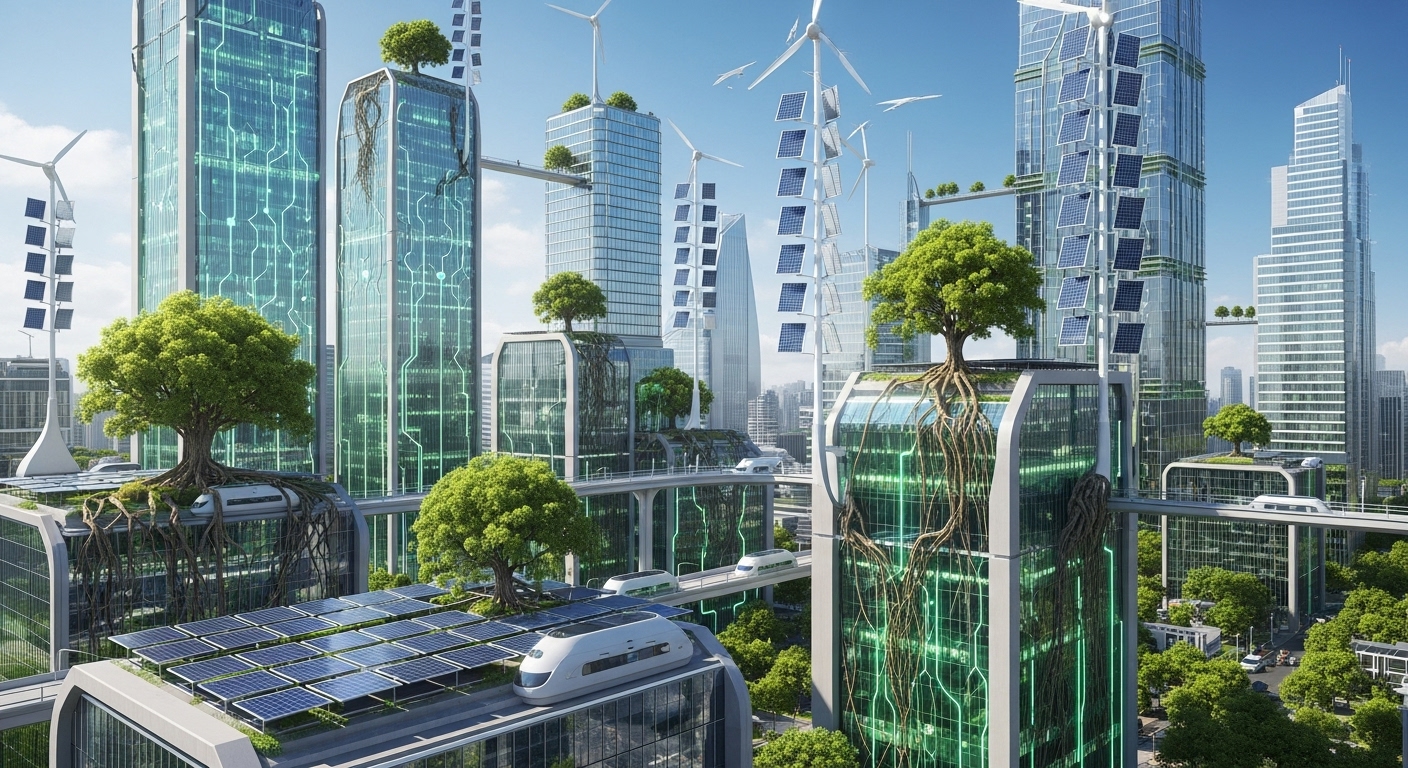
With growing awareness of climate change, technology is playing a key role in promoting sustainability. Green technologies aim to reduce carbon footprints and preserve natural resources. Renewable energy sources such as solar and wind power are replacing fossil fuels. Electric vehicles are reducing emissions, while smart grids optimize energy consumption. Sustainable architecture uses technology to design eco-friendly buildings that save water and electricity. Innovation in waste management, recycling, and bioengineering is helping build a cleaner planet. The fusion of technology and environmental awareness shows that progress does not have to come at the cost of the Earth’s well-being.
Quantum Computing: The Next Great Leap
Quantum computing represents a monumental leap in computational power. Unlike traditional computers that use bits, quantum computers use qubits, allowing them to process complex calculations at incredible speeds. This breakthrough has the potential to revolutionize industries like cryptography, material science, and artificial intelligence. Quantum computing could unlock solutions to problems that classical computers would take centuries to solve. Although still in its experimental phase, this technology holds the promise of reshaping the future of data processing and security. The quantum era will demand new skills, new algorithms, and new ways of thinking about computation itself.
The Ethical Side of Technology
While technological progress brings comfort and efficiency, it also raises ethical and philosophical questions. How much privacy are people willing to sacrifice for convenience? Should machines be allowed to make life-altering decisions? The debate around data surveillance, digital addiction, and automation highlights the need for ethical guidelines in technology. Humanity must ensure that innovation serves people rather than controls them. Building ethical frameworks for AI, robotics, and digital media is crucial for preserving human dignity and freedom. Technology should not only advance intelligence but also strengthen morality and compassion in society.
Conclusion: Embracing the Future Responsibly
The journey of technology is a reflection of human creativity and ambition. It has transformed the impossible into reality and continues to push the limits of what we can achieve. Yet, with great power comes great responsibility. The future of technology depends not only on innovation but on how wisely humanity uses it. By fostering digital literacy, ensuring security, and prioritizing ethics, we can create a technological landscape that empowers rather than divides. As we move forward, technology will remain our greatest ally in building a world that is intelligent, sustainable, and inclusive. The silent revolution is already underway—it is up to us to guide it toward a brighter and more balanced future.