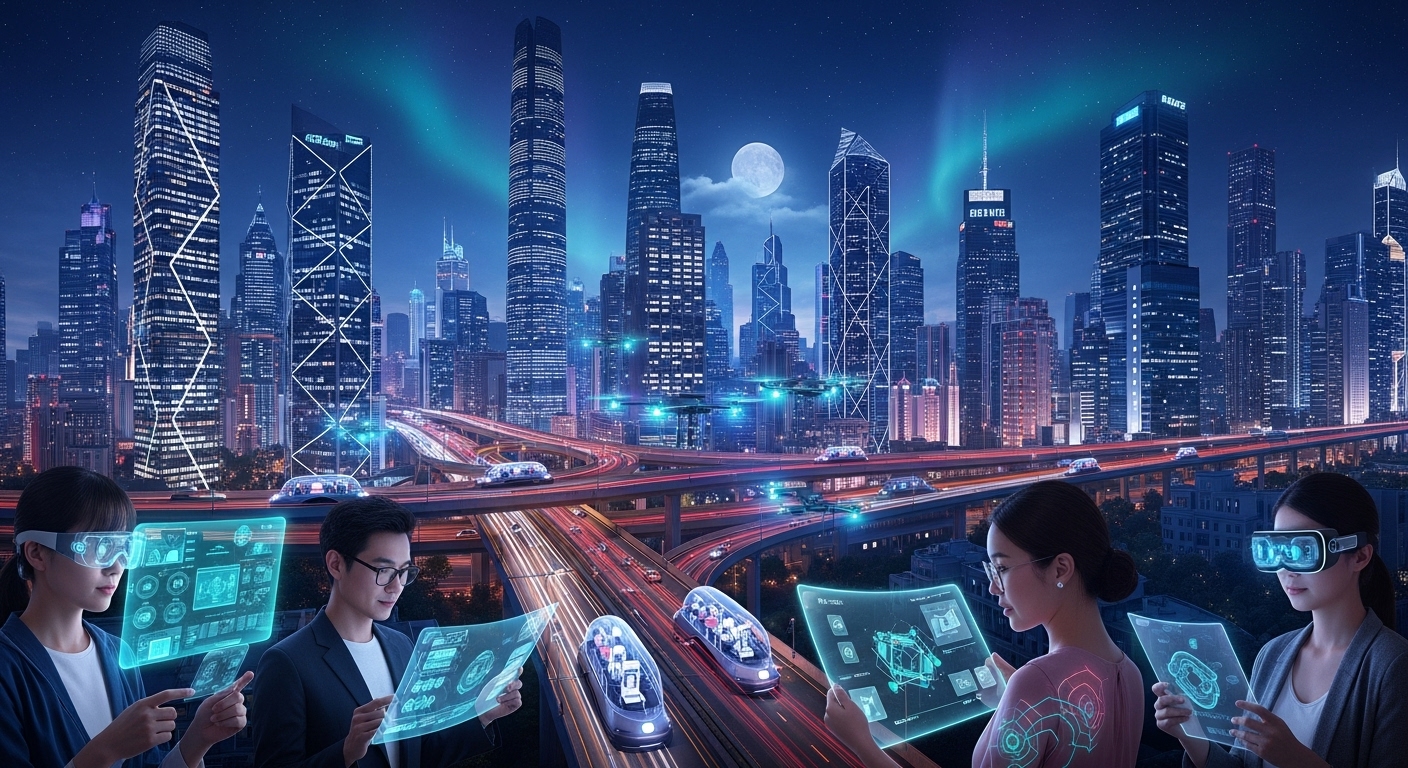
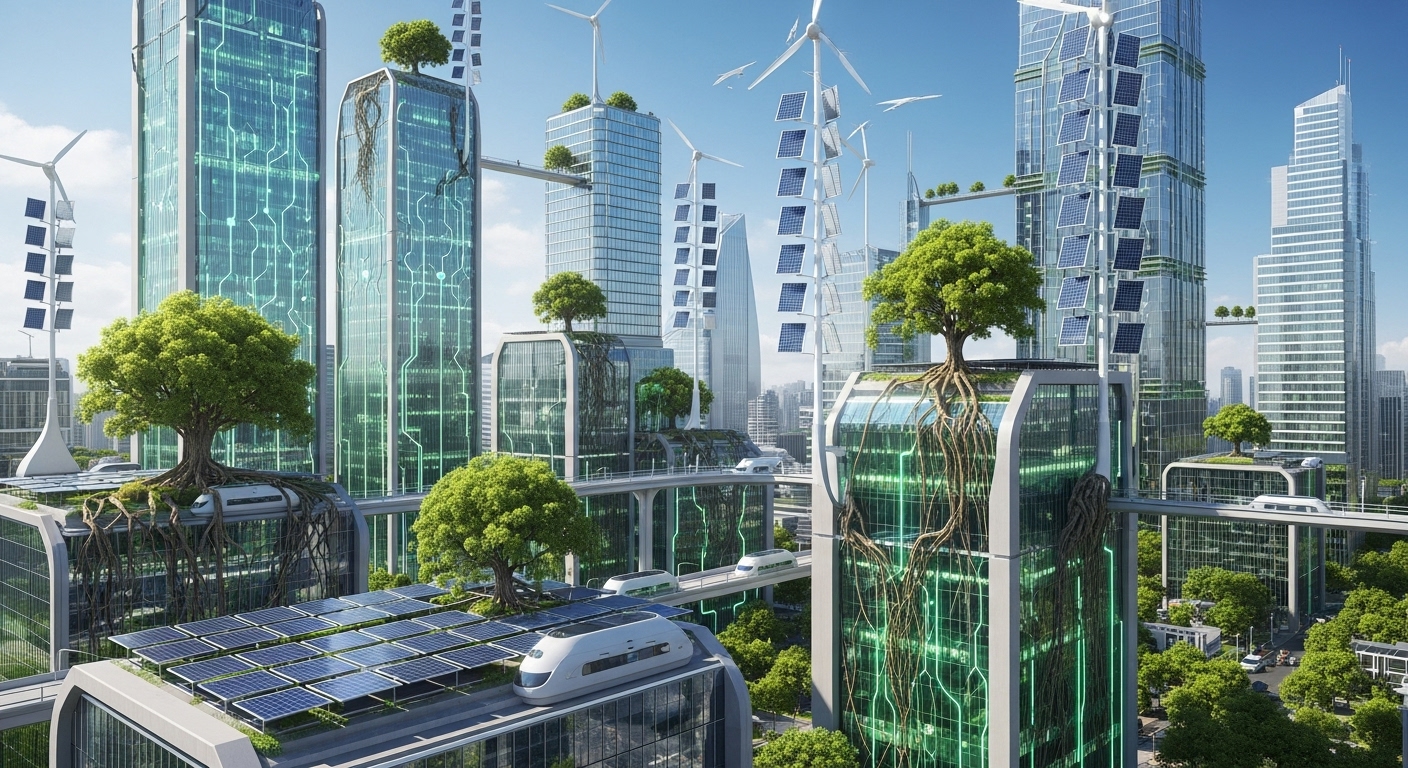
Technology has become the backbone of modern civilization. It influences everything from how we communicate and travel to how we learn and entertain ourselves. Over the past few decades, tech has grown from simple machines to advanced systems that think, learn, and even predict human needs. This blog explores the growth of technology, its current state, future possibilities, and the challenges we face along the way.
The Beginning of the Digital Era
The digital era began with inventions such as computers and the internet. Early computers were massive machines designed to solve mathematical problems for governments and research institutions. With time, they evolved into personal devices sitting on desks around the world.
The invention of the microprocessor changed everything. Computers became smaller, faster, and more affordable. The internet connected people globally, leading to the birth of email and instant messaging. What started as a tool for researchers became a part of everyone’s daily life.
Rise of Smartphones and Mobile Revolution
Smartphones transformed technology into something personal. Instead of staying on desks, technology moved into pockets. Smartphones combined computing power, internet access, cameras, and multimedia into one device.
Mobile applications further expanded the possibilities by allowing users to do banking, shopping, navigation, learning, entertainment, and work on the go. These devices created a digital world that anyone could access at any time, making technology more human-centric than ever.
Artificial Intelligence and Machine Learning
Artificial Intelligence is one of the most groundbreaking developments in modern tech. AI allows machines to mimic human thinking. Through machine learning, computers analyze data, find patterns, and improve performance over time without human intervention.
AI is behind voice assistants, facial recognition systems, recommendation engines, and even self-driving cars. Machine learning algorithms are trained using enormous datasets that help systems make accurate decisions. Industries like healthcare, finance, entertainment, and education use AI to boost efficiency and personalize experiences.
Automation and Robotics
Automation refers to technology performing tasks with minimal human effort. Robotics takes this concept further by creating physical machines capable of complex actions. Factories now use automated robotic arms to build products faster and with fewer mistakes.
Service robots clean homes, deliver goods, and assist in hospitals. Industrial robots help construct cars and electronics. Automation increases productivity, reduces human error, and saves time. However, it also raises questions about job replacement and the future of employment.
The Internet of Things Connecting the World
The Internet of Things is the concept of connecting everyday objects to the internet. This allows devices like refrigerators, thermostats, cars, and even streetlights to communicate with each other.
Smart homes are one of the most visible results of IoT. Lights, locks, cameras, and appliances can be controlled using smartphones or voice commands. In cities, IoT helps manage traffic, waste, and energy consumption. It creates a network where devices work together to improve efficiency and comfort.
Cloud Computing and Digital Storage
Cloud computing changed how data is stored and accessed. Instead of keeping files on a single computer or USB drive, cloud services store information on remote servers. This allows users to access files from anywhere on any device.
Businesses use cloud platforms to host websites, manage databases, and run applications. Cloud computing supports remote work, online collaboration, and scalable systems. It also reduces the need for physical infrastructure, making technology more flexible and affordable.
Cybersecurity The Shield of Digital Systems
As technology advances, cyber threats also increase. Cybersecurity protects digital systems from hackers, viruses, and data theft. Companies and governments invest heavily in cybersecurity to safeguard sensitive information.
Common techniques include firewalls, encryption, two-factor authentication, and secure passwords. Individuals also need to be cautious by avoiding suspicious emails, protecting personal data, and updating devices regularly. Without strong cybersecurity, the digital world would be vulnerable and chaotic.
Blockchain and Digital Trust
Blockchain is a digital ledger technology known for powering cryptocurrencies. However, its uses go beyond digital money. Blockchain records transactions in a secure, transparent, and unchangeable way.
Each block contains data and is linked to the previous block, forming a chain. This system is decentralized, meaning no single authority controls it. Businesses use blockchain for secure record-keeping, supply chain tracking, digital voting, and identity management. It builds trust in digital transactions.
Augmented Reality and Virtual Reality
Augmented Reality adds digital elements to the real world, while Virtual Reality creates an entirely digital environment. AR enhances experiences by placing images, animations, or information over real-life objects. VR immerses users into simulated worlds using headsets.
These technologies are used in gaming, education, design, and even medicine. Surgeons practice operations using VR, while students explore historical events through AR. The combination of the physical and digital worlds opens new creative and learning possibilities.
5G and the Future of Connectivity
5G is the fifth generation of mobile network technology. It offers faster internet speeds, low latency, and the ability to connect more devices simultaneously. This is important for technologies like self-driving cars, smart cities, and remote surgery.
With 5G, downloading large files happens in seconds, and online games run smoothly without delays. It improves communication and supports the growing demands of IoT. As more countries adopt 5G, global connectivity becomes stronger and more reliable.
Green Technology and Sustainability
Technology is not just about convenience and power. It is also used to protect the environment. Green technology aims to reduce pollution, save energy, and promote sustainability.
Solar panels, wind turbines, and hydroelectric systems generate clean energy. Electric vehicles reduce dependence on fossil fuels. Smart grids monitor and optimize energy use. Recycling technologies help manage waste efficiently. These innovations help fight climate change and protect natural resources for future generations.
Education in the Age of Technology
Technology has transformed education through digital classrooms, online courses, and virtual learning environments. Students can learn from home using laptops and mobile devices. Teachers use interactive tools, videos, and digital whiteboards to make learning more engaging.
Artificial Intelligence helps personalize education by analyzing student performance and suggesting improvements. Online platforms offer courses on almost any subject. Technology makes education more accessible to people in remote or underprivileged areas.
Healthcare and Medical Technology
Modern healthcare uses technology to diagnose diseases, treat patients, and save lives. Digital health records allow doctors to access patient information quickly. Advanced machines like MRI scanners and robotic surgery systems increase accuracy and reduce risks.
Wearable devices monitor heart rate, sleep patterns, and physical activity. Telemedicine allows patients to consult doctors remotely. AI predicts diseases and helps design treatment plans. Technology has made healthcare faster, smarter, and more accessible.
Transportation and Smart Mobility
Transportation has evolved from simple vehicles to intelligent systems. Electric cars reduce pollution and maintenance costs. Self-driving cars use sensors, cameras, and AI to navigate roads safely.
Public transportation uses smart cards and real-time tracking. Drones deliver packages and assist in emergencies. Hyperloop technology promises ultra-fast travel in vacuum tubes. These innovations aim to make transportation safer, faster, and eco-friendly.
Entertainment and Digital Media
Entertainment has shifted from physical theaters and CDs to digital streaming platforms. People watch movies, listen to music, and play games online anytime and anywhere.
Virtual concerts, online gaming communities, and digital content creators have become mainstream. AI recommends movies and songs based on user preferences. Content creation tools allow anyone to produce videos, music, and art with minimal equipment. Technology has democratized creativity and entertainment.
Smart Homes and Digital Living
Smart homes use technology to automate daily tasks. Devices like smart speakers, lights, thermostats, and security cameras can be controlled using voice or smartphones.
These systems learn user habits and adjust settings automatically. For example, lights turn on when someone enters a room, or thermostats adjust temperature based on weather. Smart homes offer comfort, energy savings, and security.
The Role of Big Data in Decision Making
Big Data refers to extremely large datasets that organizations analyze to gain insights. Every click, purchase, search, and online interaction generates data. Companies use this data to understand customer behavior and improve products.
Governments use data to plan cities, manage traffic, and respond to disasters. Big Data combined with AI helps predict trends and make informed decisions. However, it also raises concerns about privacy and data misuse.
Future of Work and Remote Collaboration
Technology has reshaped workplaces with digital tools and remote collaboration. People can work from home using video conferencing, cloud platforms, and digital communication tools.
Remote work offers flexibility, reduces travel time, and promotes work-life balance. However, it requires discipline, cybersecurity, and strong communication. Virtual offices and digital teamwork are becoming the new normal in many industries.
Challenges and Ethical Concerns in Technology
As powerful as technology is, it also brings challenges and ethical questions. Data privacy is one of the biggest issues. Companies collecting user data must use it responsibly.
AI can sometimes show bias if trained on flawed data. Automation can replace jobs, leading to unemployment in some sectors. Social media can spread misinformation and affect mental health.
Technological growth must be balanced with ethical values, laws, and human well-being. Innovation should serve humanity, not harm it.
Future Possibilities in Technology
The future of technology is full of exciting possibilities. Quantum computing promises to solve complex problems much faster than traditional computers. Space technology aims to send humans to Mars and beyond.
Brain-computer interfaces could allow people to control devices with their thoughts. Biotechnology may eradicate diseases and extend human lifespans. These futuristic ideas are becoming closer to reality as research progresses.
Conclusion Embracing the Tech-Driven Future
Technology has come a long way from simple tools to intelligent systems that shape every part of life. It brings convenience, innovation, and endless opportunities. However, it also requires caution, responsibility, and ethical use.
By understanding both the advantages and challenges, society can use technology to build a better future. Innovation should focus on improving human life, protecting the planet, and promoting peace and progress.