Introduction: The Transformative Power of Technology
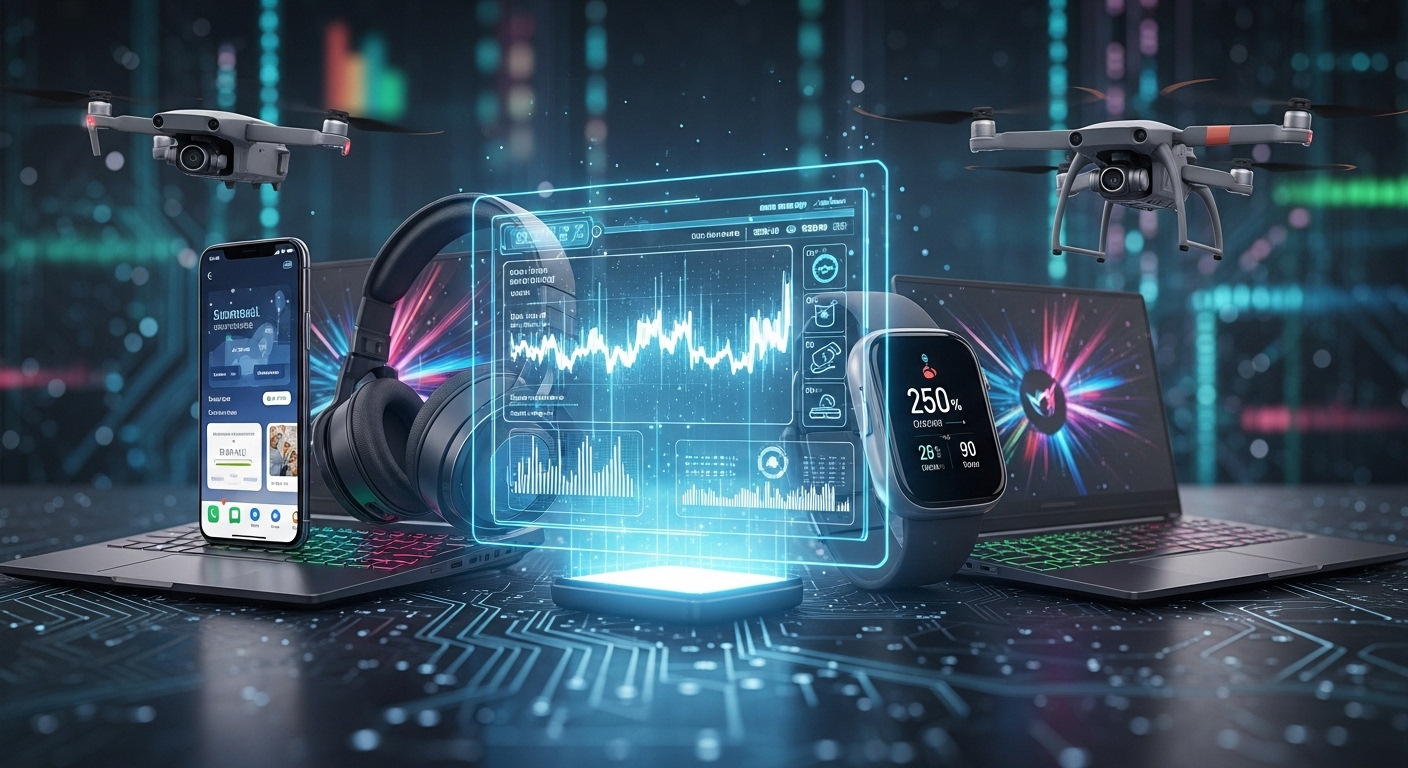
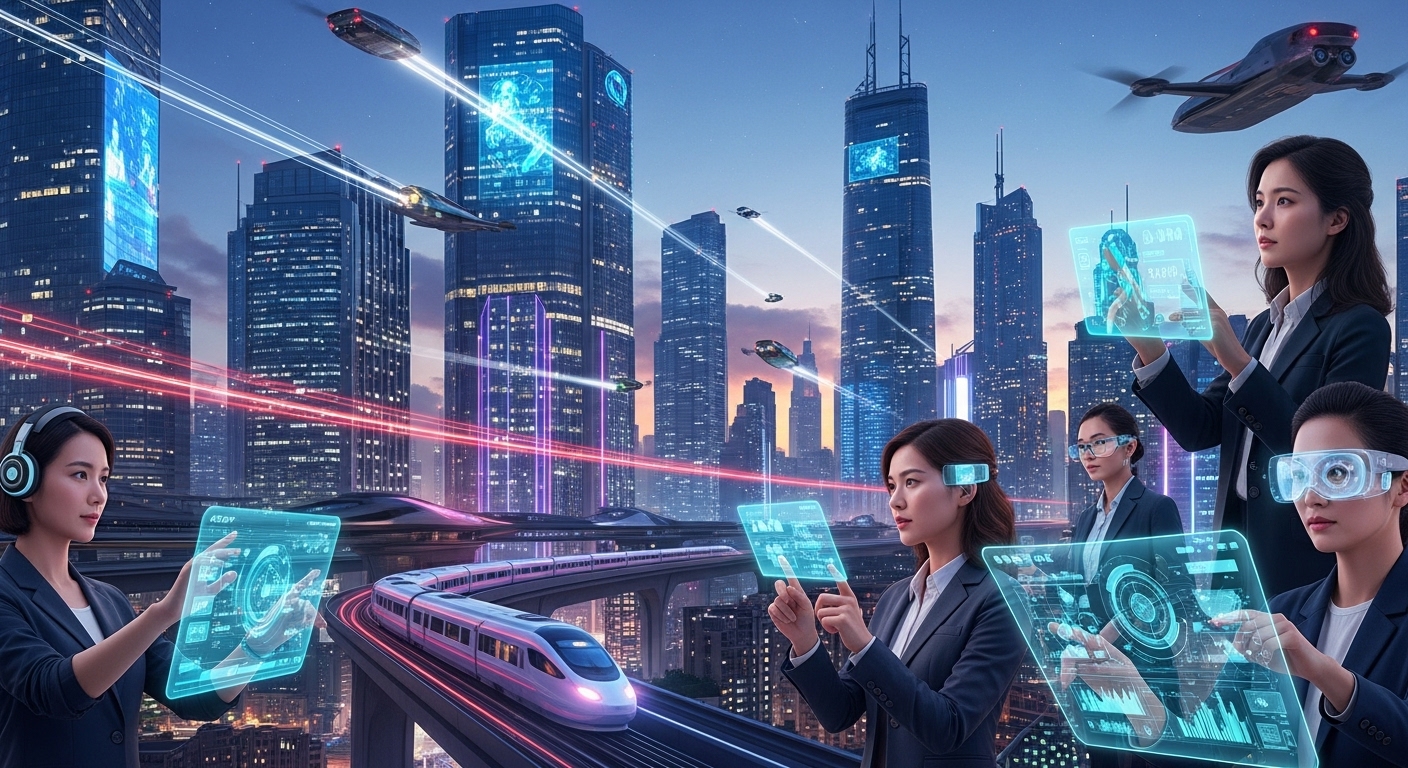
We are living in an age where technology isn’t just a tool—it’s the driving force behind how we experience and interact with the world around us. From the moment we wake up to the time we go to bed, we encounter a range of technological innovations that influence nearly every aspect of our lives. Whether it’s through the smartphone in our hands, the autonomous systems driving our cars, or the cloud that stores our digital memories, technology is everywhere.
This digital revolution has touched all corners of life, reshaping industries, rethinking education, transforming healthcare, and even altering how we entertain ourselves. As we continue to innovate and develop new tools, the potential for technology to enhance, challenge, and redefine our existence seems limitless. But with this power comes responsibility—the ethical implications of rapidly advancing technologies are something we must carefully navigate. This blog explores how technology is reshaping our world and what it means for the future.
The Rise of Smart Technology: A More Connected World
In recent years, the Internet of Things (IoT) has emerged as one of the most transformative trends in technology. IoT refers to the interconnection of devices—anything from smartphones and home appliances to cars and wearable gadgets—that can communicate and share data through the internet. The result is a world where everyday objects are “smart” and capable of interacting with each other to make life easier and more efficient.
For example, a smart home can be programmed to adjust the thermostat based on your schedule, turn off lights when no one is in the room, or even make grocery lists based on your consumption patterns. These small innovations seem trivial on the surface, but they add up to a massive shift in how we live. Through IoT, we can create a more seamless, intuitive, and automated environment that learns our habits and adapts to our needs.
The same principle applies to industries such as agriculture, manufacturing, and transportation. Smart factories use IoT-enabled machines to track production cycles, manage inventory, and predict maintenance needs. In transportation, autonomous vehicles are changing the way we think about commuting, promising safer roads and more efficient traffic management.
Artificial Intelligence: The Brain Behind the Machine
Artificial Intelligence (AI) is another area of technology that has already begun to revolutionize the world. Once a concept confined to science fiction, AI is now integral to industries ranging from healthcare to finance, retail, and even entertainment. At its core, AI is about creating systems that can simulate human intelligence—learning, reasoning, and problem-solving.
Machine learning, a subset of AI, allows machines to learn from data and improve their performance over time. This technology powers everything from recommendation algorithms on streaming services like Netflix to fraud detection systems in banks. In healthcare, AI can analyze medical images to detect diseases like cancer earlier than traditional methods, saving lives and reducing healthcare costs.
One of the most fascinating aspects of AI is its potential to automate tasks that were once reserved for humans. From self-driving cars to AI-assisted customer service, we are beginning to see machines perform complex tasks traditionally done by people. This could have significant implications for employment, with automation potentially displacing workers in certain sectors. However, it also opens the door to new jobs and industries that we can’t yet fully predict.
The Role of Cloud Computing in the Digital Landscape
Cloud computing has become a cornerstone of modern technology, enabling businesses and individuals to store, access, and manage data remotely. Rather than relying on physical hardware, cloud services allow users to rent space on remote servers, which is both cost-effective and highly scalable. This has transformed the way companies operate, making it easier for them to store large volumes of data, share information in real-time, and collaborate with teams around the world.
For businesses, cloud computing offers flexibility and scalability that traditional IT infrastructure cannot match. Companies no longer need to invest in expensive on-site servers and data storage systems; they can simply pay for the cloud services they use on-demand. This flexibility allows businesses of all sizes to innovate more quickly, scale more easily, and reach global markets with less upfront investment.
For individuals, cloud-based platforms like Google Drive, Dropbox, and iCloud have become essential for storing photos, documents, and other personal data. Cloud computing is making our lives more convenient, giving us access to our data from anywhere, at any time.
The Future of Transportation: Autonomous Vehicles and Beyond
One of the most exciting developments in technology today is the rise of autonomous vehicles. Self-driving cars, trucks, and drones are no longer a futuristic fantasy—they are already on the roads and in the air, with companies like Tesla, Waymo, and Amazon leading the charge. Autonomous vehicles promise to change the way we think about transportation, making travel safer, more efficient, and more accessible.
Self-driving cars use a combination of AI, sensors, and cameras to navigate roads, detect obstacles, and make decisions in real time. The potential benefits are immense: fewer accidents caused by human error, reduced traffic congestion, and less pollution, as electric vehicles dominate the roads.
However, the widespread adoption of autonomous vehicles also raises a host of questions and challenges. How do we ensure the safety and security of these vehicles? How will the rise of automation impact the jobs of millions of truck drivers, delivery personnel, and other workers in the transportation industry? These are difficult questions that we must answer as we continue to move toward a future dominated by autonomous vehicles.
Renewable Energy: Powering the Future with Technology
As concerns about climate change and environmental sustainability grow, technology is playing a critical role in the transition to renewable energy sources. Solar, wind, and hydropower technologies are becoming more efficient and affordable, making it easier to replace fossil fuels with clean energy.
Solar panels and wind turbines are now capable of generating significant amounts of electricity, and advances in energy storage technologies allow us to store excess power for use when the sun isn’t shining or the wind isn’t blowing. Electric grids are becoming smarter, enabling more efficient distribution of energy across regions and reducing waste.
In addition to renewable energy sources, new innovations in energy efficiency are helping reduce our overall consumption. Smart homes, energy-efficient appliances, and automated systems all contribute to reducing our carbon footprint and reliance on nonrenewable resources.
Technology in Healthcare: Revolutionizing Medicine
Healthcare is another area where technology is making profound changes. From telemedicine and robotic surgery to AI-powered diagnostics and personalized medicine, technology is transforming how we diagnose, treat, and prevent illness.
Telemedicine allows patients to consult with doctors remotely, saving time and increasing access to care, especially in rural areas. In surgeries, robotic systems provide precision that human hands alone cannot achieve, reducing recovery times and improving outcomes. AI-driven systems can analyze medical images more quickly and accurately than radiologists, leading to earlier detection of diseases like cancer.
Personalized medicine, fueled by genomics and data analytics, is allowing doctors to tailor treatments to individual patients based on their genetic makeup. This shift away from a one-size-fits-all approach promises more effective treatments with fewer side effects, ultimately improving patient outcomes and quality of life.
The Ethics of Technology: Navigating the Digital Future
As technology advances, ethical considerations are becoming increasingly important. Issues such as privacy, data security, and the potential misuse of AI and other technologies are at the forefront of discussions about the future.
For instance, AI systems that are used for decision-making—whether in hiring, policing, or healthcare—must be transparent and free from bias. There is a risk that these systems could perpetuate existing inequalities if they are trained on biased data or used irresponsibly.
Data privacy is another major concern. With vast amounts of personal information being collected by companies and governments, it is crucial that individuals have control over how their data is used. Additionally, the rise of surveillance technologies, like facial recognition, raises questions about the balance between security and personal freedom.
As technology continues to evolve, it is imperative that we address these ethical challenges in a way that promotes innovation while safeguarding human rights and dignity.
Conclusion: Embracing the Future of Technology
Technology is changing the world at an unprecedented pace. From the smart devices in our homes to the self-driving cars on the road, it is clear that we are on the cusp of a new era. These innovations have the potential to solve some of the world’s most pressing problems, from climate change and healthcare to transportation and communication.
However, as we embrace the future of technology, we must also be mindful of the ethical, social, and economic implications of these advancements. By fostering a responsible approach to innovation, we can harness the power of technology to create a more sustainable, inclusive, and equitable future.
The digital revolution is far from over, and the possibilities are endless. As long as we remain committed to using technology to improve lives and solve global challenges, there is no limit to what we can achieve.