Introduction
Technology has become the backbone of modern society, shaping the way we communicate, work, learn, and even think. It is not just a tool but a transformative force that influences every aspect of life. From simple mechanical tools of the past to complex artificial intelligence systems of today, technology has continuously expanded human potential. In this blog, we explore the evolution of technology, its impact on society, the challenges it brings, and the promising future it holds.
The Evolution of Technology
Human civilization has always progressed hand-in-hand with technological innovation. Early humans relied on basic tools to hunt, farm, and build shelters. The discovery of fire and the invention of the wheel revolutionized daily life. The Industrial Revolution marked a significant turning point, introducing machinery that mechanized production and transformed economies. In the twentieth century, the emergence of computers and the internet ushered in the digital age. Each phase of technological advancement has reshaped societies, improved quality of life, and paved the way for new possibilities.
The Digital Revolution
The digital revolution has fundamentally changed how individuals and businesses operate. Computers, smartphones, and high-speed internet have made information and communication more accessible than ever before. Digital platforms have transformed commerce, education, and entertainment. Social media networks connect billions of people, fostering collaboration and knowledge sharing. The digital era has not only created new industries but has also redefined the way societies function, enabling faster innovation and global interconnectedness.
Artificial Intelligence and Machine Learning
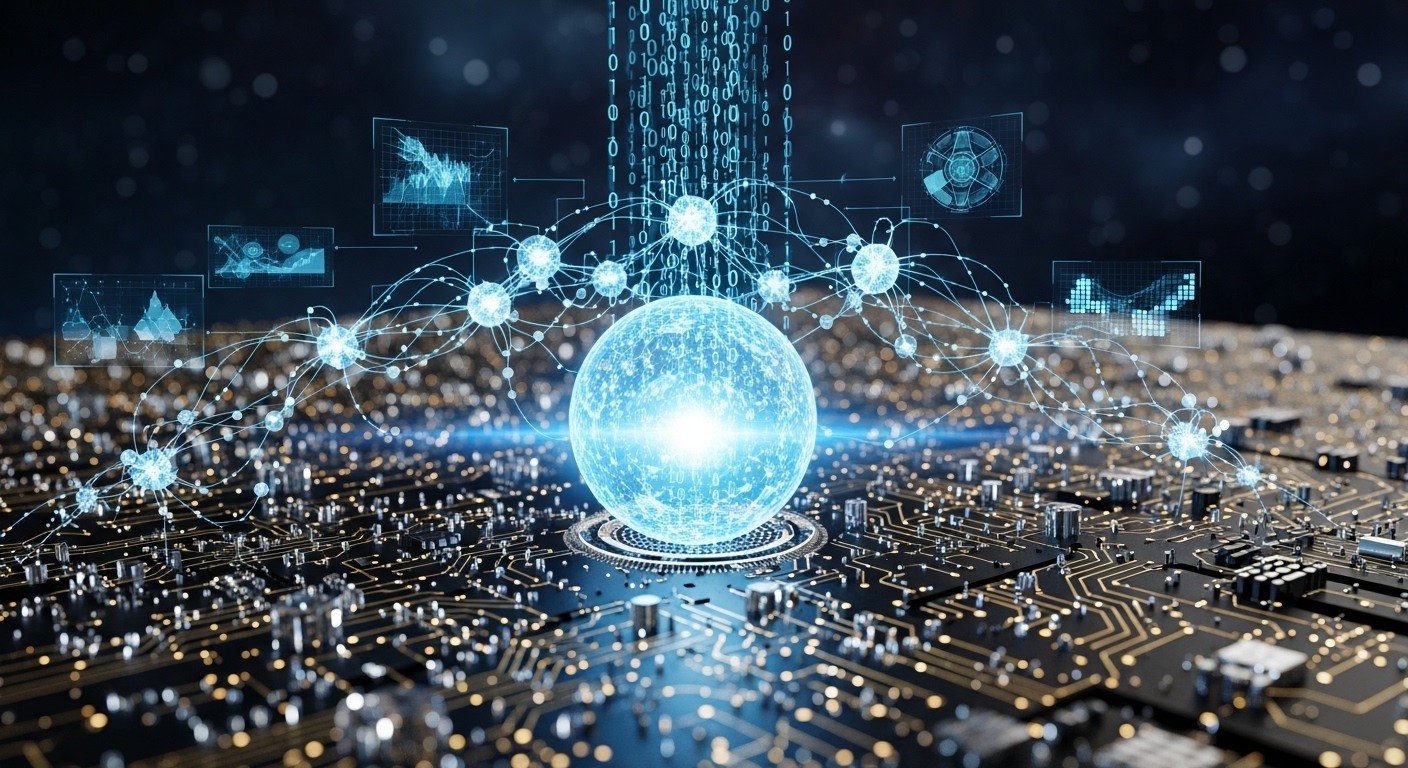
Artificial intelligence (AI) has emerged as one of the most transformative technologies in recent times. AI systems are designed to replicate human intelligence, enabling machines to process data, learn from patterns, and make decisions. Machine learning, a branch of AI, allows systems to improve automatically based on experience. AI has revolutionized industries such as healthcare, finance, and transportation by enhancing efficiency, accuracy, and personalization. From virtual assistants to predictive analytics and autonomous vehicles, AI is reshaping the way humans interact with machines and the world.
The Internet of Things (IoT)
The Internet of Things connects devices to the internet, allowing them to collect and share data. Smart homes, wearable devices, connected cars, and industrial sensors exemplify the impact of IoT on daily life. IoT improves efficiency, convenience, and safety. For example, smart thermostats optimize energy consumption, while wearable fitness trackers monitor health metrics in real time. In industrial settings, IoT helps monitor production lines, reduce downtime, and predict maintenance needs. By linking physical objects to digital networks, IoT bridges the gap between the real world and virtual systems.
Cloud Computing and Remote Collaboration
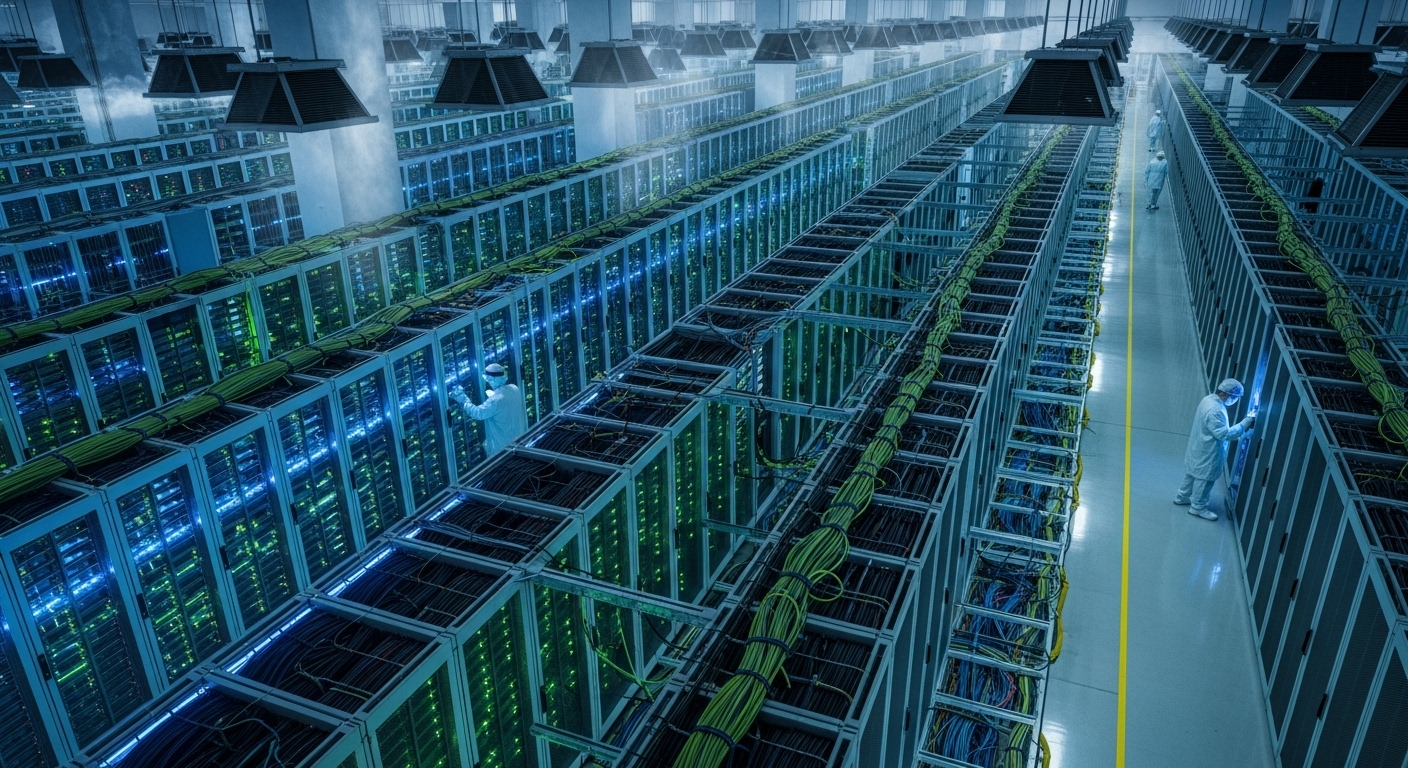
Cloud computing has transformed the way individuals and organizations store and access information. By utilizing remote servers, cloud technology enables collaboration, flexibility, and scalability. Businesses can manage operations efficiently, while employees can work from anywhere. Cloud services have also revolutionized education and healthcare by enabling virtual classrooms and telemedicine. With cloud computing, even small businesses and startups can leverage advanced technological resources without heavy infrastructure investment, democratizing access to technology worldwide.
Big Data and Analytics
Data is the lifeblood of the digital age. Big data refers to the vast amounts of information generated through digital interactions daily. Analytics tools allow organizations to extract valuable insights, predict trends, and make informed decisions. In healthcare, big data enables early detection of diseases and personalized treatment plans. Businesses use data analytics to understand consumer behavior, optimize operations, and develop innovative products. Governments rely on data for urban planning, public health monitoring, and policy-making. The ability to process and interpret massive data sets has become crucial in driving innovation and efficiency across sectors.
Automation and Robotics
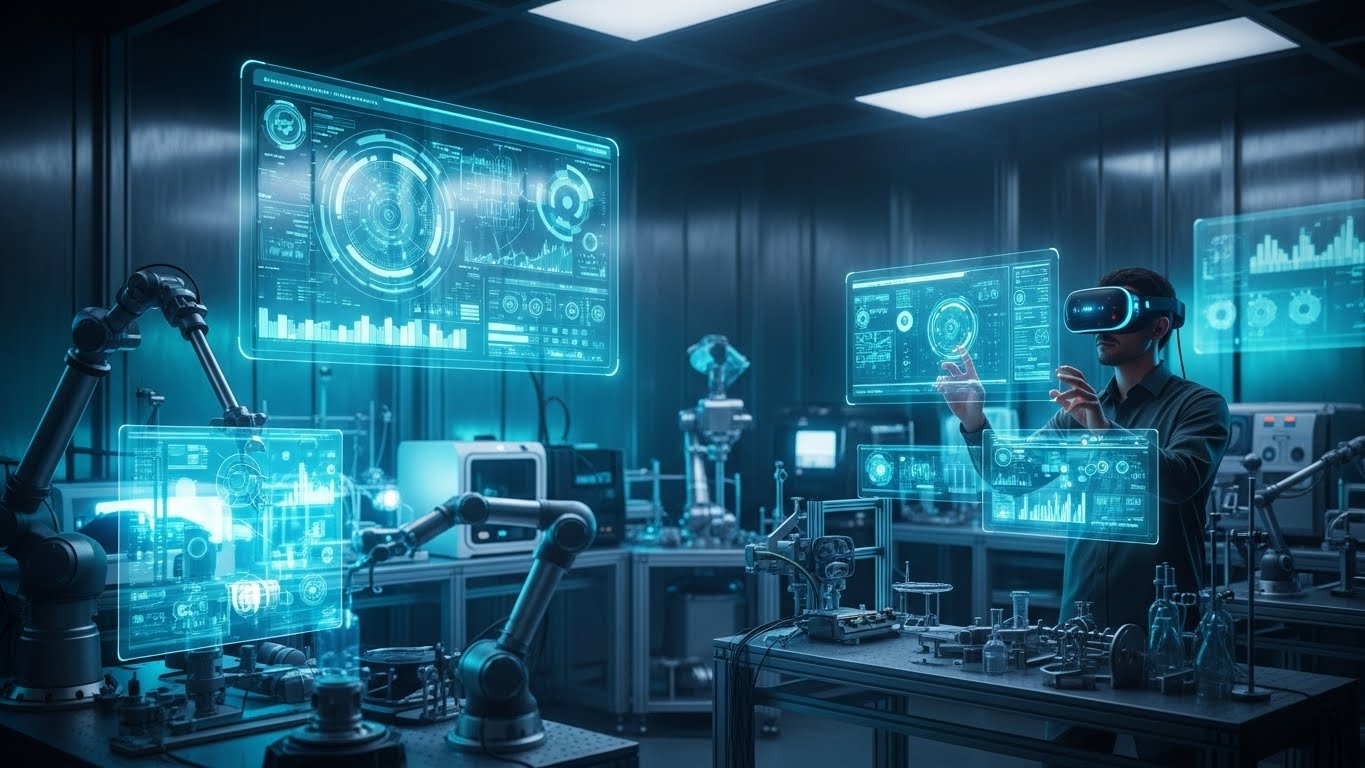
Automation and robotics are reshaping industries by performing repetitive and complex tasks with precision and speed. In manufacturing, robots assemble products and handle dangerous tasks, improving efficiency and safety. Logistics and supply chains benefit from automation through optimized inventory management and faster delivery processes. In healthcare, robotic surgical systems enhance accuracy and reduce recovery times. While automation increases productivity, it also challenges the workforce, requiring reskilling and adaptation to new technological roles. The future will see a collaboration between humans and machines, where each complements the other’s strengths.
Technology in Healthcare
Healthcare has seen transformative advancements due to technology. Telemedicine, wearable health monitors, robotic surgery, and AI-assisted diagnostics have revolutionized patient care. Telehealth allows patients in remote areas to access medical expertise, while AI algorithms help detect diseases earlier and with higher accuracy. Wearable devices track vital signs, enabling preventative care and healthy lifestyle monitoring. Technology has made healthcare more efficient, personalized, and accessible, improving overall quality of life and saving countless lives.
Technology in Education
Education has been reshaped by digital innovation. Online learning platforms, interactive classrooms, virtual reality simulations, and digital content have transformed how students learn and teachers teach. Students can learn at their own pace, access vast resources, and collaborate globally. Teachers can monitor student progress, tailor instruction, and use analytics to improve learning outcomes. Technology has made education more inclusive, flexible, and adaptable, preparing students for a rapidly evolving digital world.
Cybersecurity and Data Privacy
As technology becomes increasingly integrated into daily life, cybersecurity and data privacy are critical concerns. Cyberattacks, data breaches, and identity theft threaten individuals and organizations. Strong security measures, encryption, and ethical practices are essential to protect digital assets. Users must also be educated about responsible digital behavior. Ensuring cybersecurity is not just a technical requirement but a societal responsibility, essential for maintaining trust in an increasingly digital ecosystem.
Social Impact of Technology
Technology influences the way people communicate, work, and interact socially. Social media connects billions worldwide, but it also introduces challenges such as misinformation, cyberbullying, and decreased face-to-face interactions. Technology can foster communities, raise awareness about global issues, and empower individuals, but it requires responsible usage. Digital literacy and critical thinking are essential for navigating a world where technology shapes social norms, culture, and relationships.
Environmental Implications
While technology drives innovation, it also impacts the environment. Electronic waste, energy consumption, and resource exploitation present significant challenges. However, technology also offers solutions for sustainability. Renewable energy systems, electric vehicles, smart grids, and energy-efficient devices help reduce environmental footprints. Future technological development must balance progress with ecological responsibility, ensuring that innovation supports a sustainable planet while meeting human needs.
The Future of Technology
The future of technology promises groundbreaking innovations. Developments in artificial intelligence, quantum computing, biotechnology, and space exploration will redefine human potential. Emerging technologies will create new opportunities for healthcare, education, communication, and entertainment. Ethical usage, equitable access, and sustainable development will determine the impact of these innovations. Society must ensure that technology serves humanity positively, empowering people while preserving privacy, security, and environmental balance.
Conclusion
Technology has transformed human life, creating unprecedented opportunities and reshaping every aspect of society. From healthcare and education to business, communication, and sustainability, it drives innovation, efficiency, and connectivity. Despite challenges such as cybersecurity, environmental impact, and ethical concerns, technology remains a powerful tool for progress. Its responsible and thoughtful development will continue to shape the future, enabling humans to reach new heights and redefine what is possible in an interconnected, digital world.