Introduction
Entertainment has always been part of being human. It makes us laugh, cry, think, and dream. From early storytelling to today’s digital universe, it evolves with us and reflects who we are. Whether it’s a song that lifts your mood, a film that changes your view, or a game that connects friends, entertainment binds cultures and generations together.
The Ancient Roots of Entertainment
Long before television or movies, people entertained each other through stories, dances, and songs. Ancient Egyptians enjoyed plays and music at festivals. Greek theater explored tragedy and comedy, teaching moral lessons while amusing the crowds. In Asia, traditional performances like Chinese opera or Indian classical dance blended myth, rhythm, and devotion. These early forms of entertainment shaped societies and built shared identities.
The Birth of Modern Entertainment
The invention of the printing press let stories travel farther than ever. Newspapers, novels, and poetry became new forms of amusement. Then came photography and film, changing how people saw the world. By the early 1900s, cinemas became cultural hubs, and stars like Charlie Chaplin showed how laughter could bridge nations.
Music: The Universal Connection
Music speaks a language everyone understands. Over centuries, it has evolved from folk tunes to symphonies, jazz, rock, and pop. Each generation creates its own rhythm, expressing love, rebellion, or hope. Today, digital tools let anyone produce and share music globally. Live performances and festivals remain magical spaces where thousands unite through sound.
Cinema and Storytelling
Movies became the defining art of the 20th century. They captured imagination and emotion in moving pictures. From silent films to modern blockbusters, cinema mirrors life and pushes imagination to new limits. Filmmakers across the world use this medium to share local stories that resonate globally.
Television and Streaming
Television once brought families together around the living room. Decades later, streaming changed everything. Viewers can now watch anything, anytime. This freedom created a “golden age” of storytelling, with more diverse characters and ideas. Shows from different countries cross borders easily, creating a shared global culture.
Gaming: The Interactive Future
Video games transformed entertainment by letting audiences become part of the story. What began as simple arcade fun now offers cinematic worlds, complex plots, and global competitions. Gaming is also social—friends meet online, join communities, and even build careers through esports.
The Digital Revolution
The internet democratized entertainment. Anyone can be a creator now. Social media platforms turn ordinary people into global influencers. Short videos, live streams, and podcasts define modern culture. This new era is fast, interactive, and constantly changing.
Live Performances and Shared Experiences
Even in a digital age, live shows remain unmatched. The thrill of concerts, theater, and festivals connects performers and audiences in a way screens never can. After years of virtual events, the return of live entertainment shows our deep need for real human energy.
The Business Behind the Magic
Entertainment is also a global industry that drives economies. From film studios to streaming services, from sports to gaming, billions of dollars move through this creative world. With fame and fortune come challenges—balancing art with profit, protecting creators’ rights, and ensuring fair access for all.
Cultural Power of Entertainment
Entertainment doesn’t just amuse—it teaches and inspires. Songs become anthems for change. Films spark debate. Games and shows introduce new perspectives. It gives people voices, preserves traditions, and encourages empathy among strangers.
The Future of Entertainment
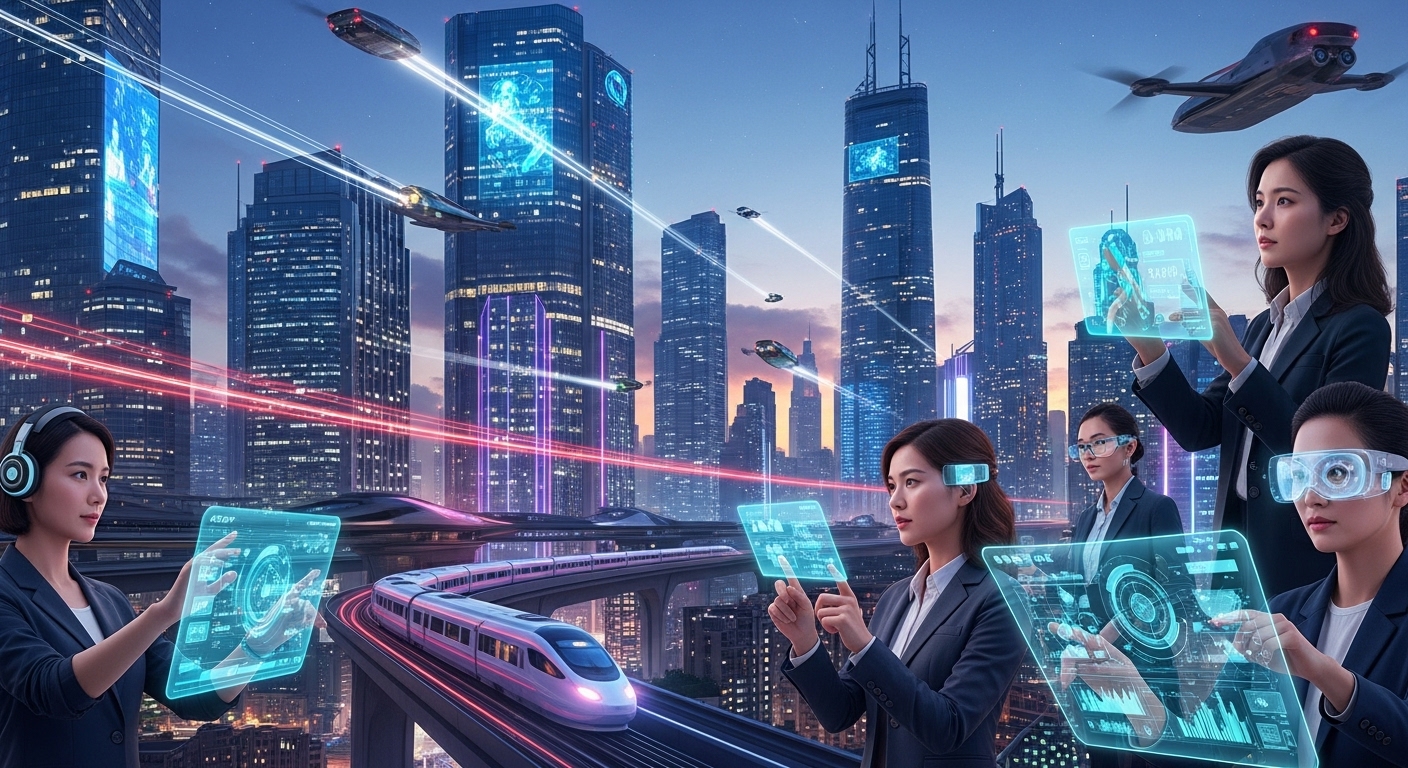
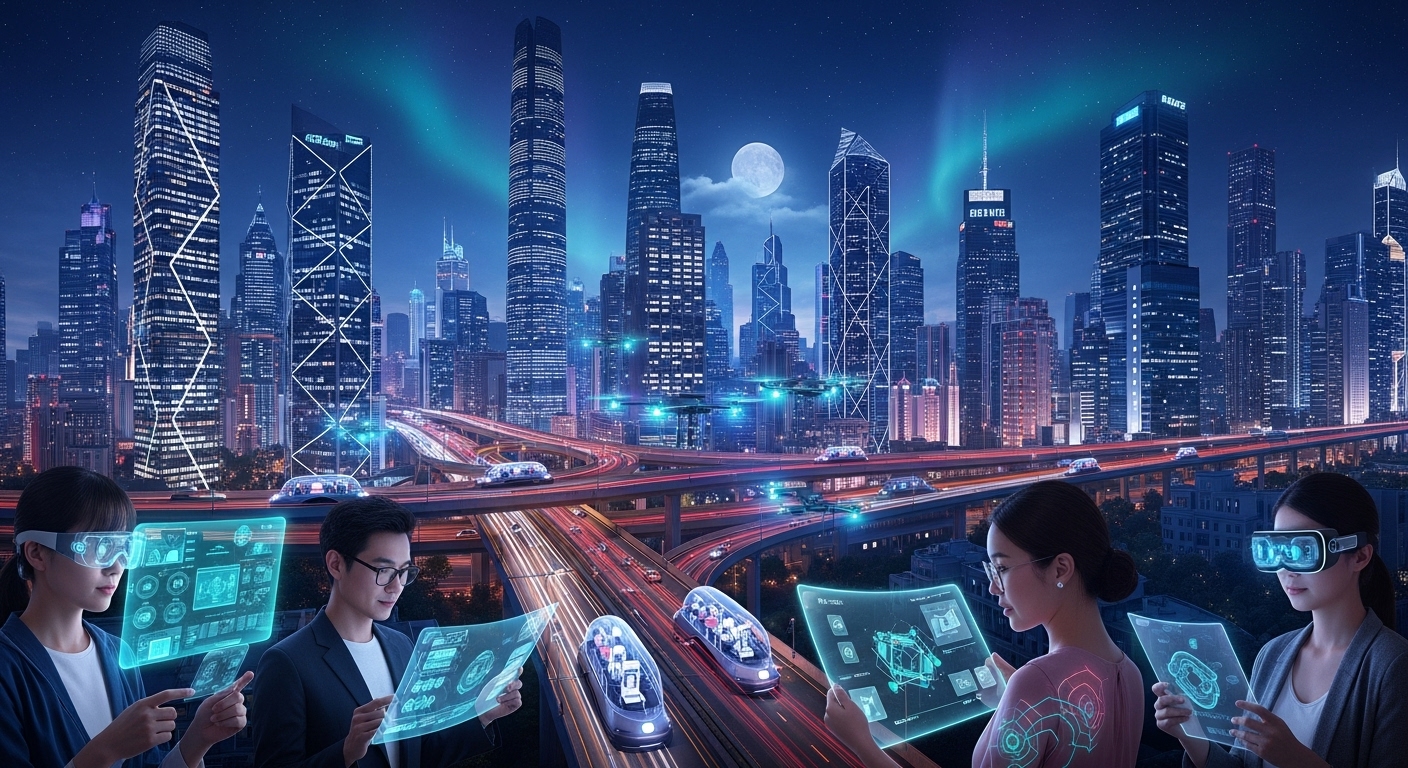
Technology promises even greater transformation. Virtual and augmented reality will make stories more immersive. Artificial intelligence will personalize content. The line between audience and creator will blur as people co-create experiences. Entertainment will continue expanding beyond imagination.
Conclusion
Entertainment is more than distraction—it’s part of what makes us human. It reflects our emotions, dreams, and shared stories. From ancient dances to digital worlds, it evolves but never loses its purpose: to connect, inspire, and bring joy. No matter how the tools change, the spirit of entertainment will always remain the same—an endless celebration of imagination and life itself.