
Technology is no longer just a tool; it is the very fabric of our modern lives. From how we communicate to how we work, learn, and entertain ourselves, technology has transformed every aspect of human existence. Yet, what we see today is only the beginning. Rapid advancements in artificial intelligence, quantum computing, robotics, and connectivity are setting the stage for a future that once belonged to science fiction. Understanding these developments is crucial not only for businesses and policymakers but also for individuals who wish to navigate this new era successfully. In this article, we will explore the key technological trends that are poised to shape our world in the coming decades.
The Quantum Leap: Redefining Computing
Quantum computing represents one of the most revolutionary shifts in modern technology. Unlike classical computers that use binary bits—ones and zeros—quantum computers utilize qubits. These qubits can exist in multiple states simultaneously, allowing them to process information at speeds and scales unimaginable with traditional computers. This property, known as superposition, combined with entanglement, enables quantum computers to tackle highly complex problems, including simulating molecular structures for drug discovery, optimizing logistics networks, and enhancing cybersecurity measures.
Despite its promise, quantum computing faces significant challenges. Qubits are extremely sensitive to their environment, requiring precise conditions to function correctly. Scientists and engineers are still developing methods to maintain stability, known as quantum error correction. While practical, widely accessible quantum computers are not yet a reality, the groundwork laid today will likely redefine industries in the next decade. For example, companies involved in pharmaceuticals could dramatically accelerate drug development, while financial institutions could model market dynamics more accurately than ever before.
Artificial Intelligence: Beyond Automation to Intelligence
Artificial intelligence (AI) has moved past simple automation and into domains that were previously considered uniquely human. Machine learning algorithms allow computers to learn from experience, improving their performance over time. Deep learning, a subfield of AI, utilizes neural networks inspired by the human brain to process vast amounts of data, enabling applications such as natural language understanding, image recognition, and autonomous decision-making.
AI is becoming increasingly integrated into daily life. Smart assistants help manage schedules and provide recommendations, while AI-driven analytics inform business decisions. In healthcare, AI algorithms are assisting doctors with diagnostics, predicting patient outcomes, and even discovering new treatments. Autonomous vehicles rely on AI to navigate complex environments safely. Yet, with these advances come ethical and social concerns. Bias in AI algorithms, privacy issues, and the potential for misuse are challenges that society must address proactively.
The Rise of 5G: Connecting Everything
The global rollout of 5G networks represents a leap forward in connectivity. With speeds up to 100 times faster than 4G, ultra-low latency, and the ability to connect millions of devices simultaneously, 5G is set to transform industries and daily life. From autonomous vehicles and smart cities to telemedicine and immersive gaming, the possibilities are endless.
One of the most profound impacts of 5G will be on the Internet of Things (IoT). As billions of devices—from home appliances to industrial sensors—come online, real-time data collection and analysis will enable more efficient and intelligent decision-making. For instance, smart cities could dynamically manage traffic flow, optimize energy usage, and enhance public safety. Similarly, 5G-powered telemedicine could bring high-quality healthcare to remote areas, improving accessibility and outcomes.
Blockchain: Building Trust in a Digital World
Blockchain technology, often associated with cryptocurrencies, has applications far beyond digital money. At its core, blockchain is a decentralized ledger that records transactions securely and transparently, making it nearly impossible to manipulate data retroactively. This property has the potential to transform industries where trust, transparency, and accountability are critical.
In supply chain management, blockchain ensures that products can be traced from origin to consumer, reducing fraud and improving quality control. In finance, blockchain enables faster, more secure transactions, eliminating intermediaries. Even in voting systems, blockchain could ensure transparency and accuracy, reducing the risk of fraud. As more organizations explore blockchain solutions, the technology may become a cornerstone of secure digital infrastructure.
Robotics: Redefining Labor and Productivity
Robotics is transforming industries from manufacturing to healthcare, logistics, and agriculture. Robots excel in repetitive, hazardous, or highly precise tasks, enhancing productivity and reducing risk. For example, in factories, robotic arms assemble products with remarkable accuracy, while autonomous drones monitor crops or deliver supplies in remote areas.
The future of robotics lies not only in replacing human labor but also in collaboration. Collaborative robots, or “cobots,” work alongside humans, assisting with tasks that require both precision and creativity. In healthcare, surgical robots enhance a surgeon’s capabilities, allowing for minimally invasive procedures with faster recovery times. While the expansion of robotics raises concerns about job displacement, it also creates opportunities for higher-skilled roles and fosters innovation in workforce training and human-machine collaboration.
The Metaverse: Reimagining Digital Experiences
The concept of the Metaverse—a fully immersive digital universe—represents a new frontier in online interaction. Combining virtual reality, augmented reality, and social connectivity, the Metaverse promises environments where users can work, play, learn, and socialize in ways not possible through traditional screens. While still in early development, the potential applications of the Metaverse are vast.
Businesses are exploring virtual offices, immersive shopping experiences, and interactive entertainment, while educational institutions experiment with virtual classrooms and simulations. The Metaverse also raises important ethical considerations, including digital privacy, data ownership, and potential mental health effects. As this technology evolves, it is likely to redefine the boundaries between physical and digital experiences.
Edge Computing: Bringing Data Closer
Edge computing addresses the limitations of centralized cloud computing by processing data closer to its source. This approach reduces latency, improves speed, and enhances the efficiency of applications that rely on real-time data. Autonomous vehicles, smart factories, and industrial IoT systems benefit significantly from edge computing, as immediate decision-making is critical in these scenarios.
As the number of connected devices grows exponentially, edge computing becomes increasingly important. By analyzing data locally, devices can respond more quickly and reduce bandwidth strain on centralized servers. Furthermore, edge computing can enhance privacy by keeping sensitive data closer to the user rather than transmitting it across networks.
Cybersecurity: Protecting the Digital Frontier
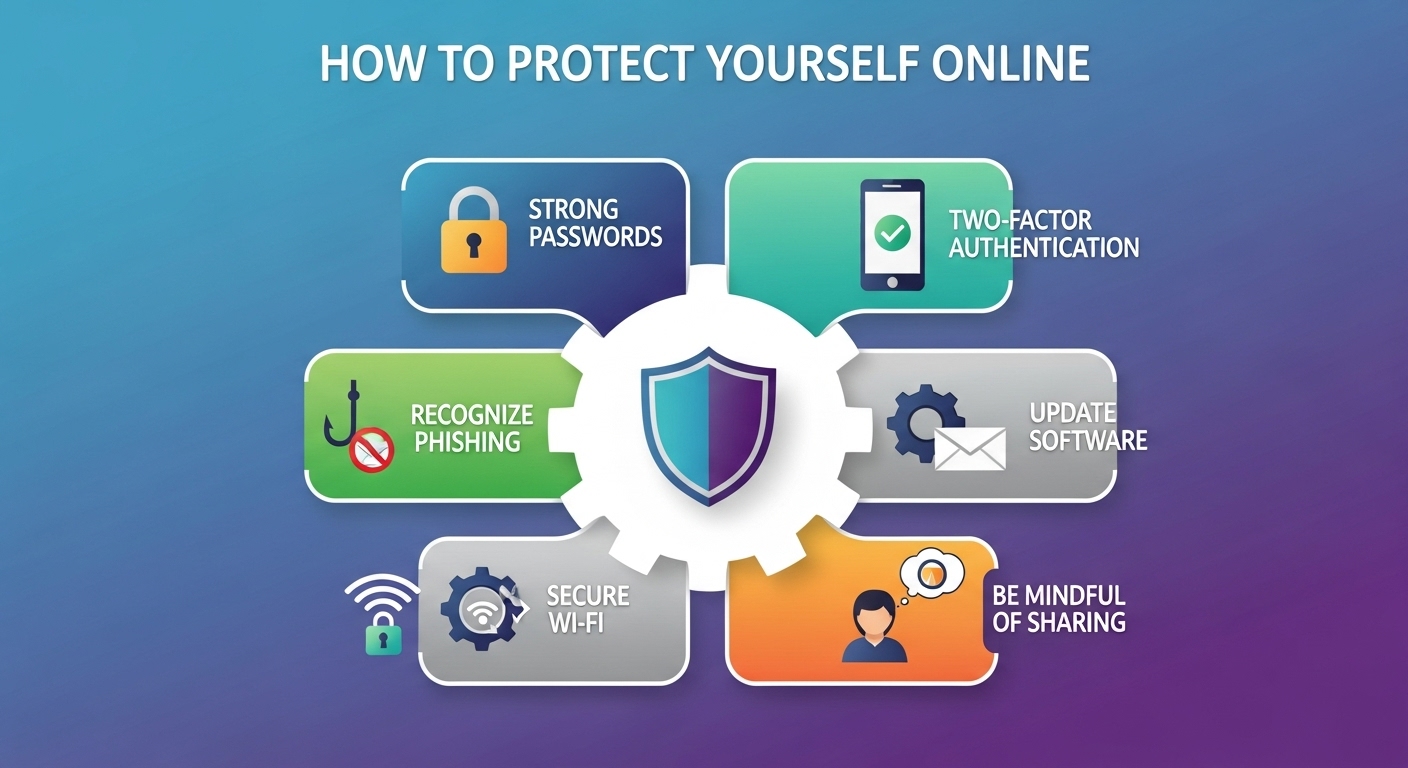
As technology advances, cybersecurity becomes ever more critical. With more devices connected than ever before, the potential attack surface for cyber threats grows exponentially. Cybersecurity is no longer just about preventing malware or data breaches; it now encompasses protecting entire digital ecosystems, from industrial control systems to personal devices.
Emerging technologies like AI and machine learning are being leveraged to enhance cybersecurity. Predictive analytics can identify unusual patterns and detect threats before they cause harm. At the same time, organizations must consider human factors, regulatory compliance, and ethical responsibilities in protecting data. The battle for digital security is ongoing, and staying ahead requires constant innovation and vigilance.
Ethical Considerations: Technology with Responsibility
While technology offers unprecedented possibilities, it also raises ethical questions. Issues such as privacy, bias, environmental impact, and social inequality are central to the responsible development and deployment of emerging technologies. For example, AI systems can unintentionally reinforce societal biases if trained on flawed data. Similarly, the energy demands of blockchain networks and data centers have significant environmental implications.
Addressing these challenges requires a multi-stakeholder approach, including policymakers, technologists, and the public. Ethical frameworks, transparency, and accountability must guide technological development to ensure that innovation benefits society without causing unintended harm.
The Future of Work: Adapting to Technological Change
Technology is reshaping the nature of work. Automation, AI, and robotics are transforming traditional job roles, requiring workers to develop new skills and adapt to changing environments. The future workforce will likely involve collaboration between humans and intelligent machines, where human creativity and problem-solving complement technological capabilities.
Lifelong learning and reskilling programs will become essential as industries evolve. Remote work technologies, AI-powered productivity tools, and immersive virtual environments will redefine the workplace, creating flexibility and efficiency but also raising questions about social connection and mental well-being.
Conclusion: Navigating the Technological Horizon
The technological landscape of the future is both exciting and challenging. Innovations in quantum computing, AI, 5G, blockchain, robotics, and immersive digital environments are reshaping how we live, work, and interact. At the same time, ethical considerations, cybersecurity, and workforce adaptation remain critical to ensuring these advancements benefit society as a whole.
Navigating this future requires awareness, adaptability, and proactive engagement with technology. By embracing innovation responsibly, we can harness the power of emerging technologies to solve complex problems, enhance quality of life, and build a world where technology serves humanity rather than the other way around. The horizon of technological possibility is vast, and our actions today will define the shape of tomorrow.