Technology is no longer a mere tool; it is the driving force behind modern civilization. It has transformed every aspect of our lives, from communication and transportation to healthcare and entertainment. Each technological advancement has redefined human capabilities, offering new opportunities while presenting unique challenges. In this blog, we will explore the evolution of technology, its impact on society, the economy, daily life, and its promising future.
The Historical Evolution of Technology
Technology has been a fundamental aspect of human development since the earliest civilizations. From the creation of simple tools to complex machinery, humans have continuously innovated to solve problems and enhance their quality of life. Early inventions like the wheel, fire, and the plow laid the foundation for agriculture, transportation, and industry.
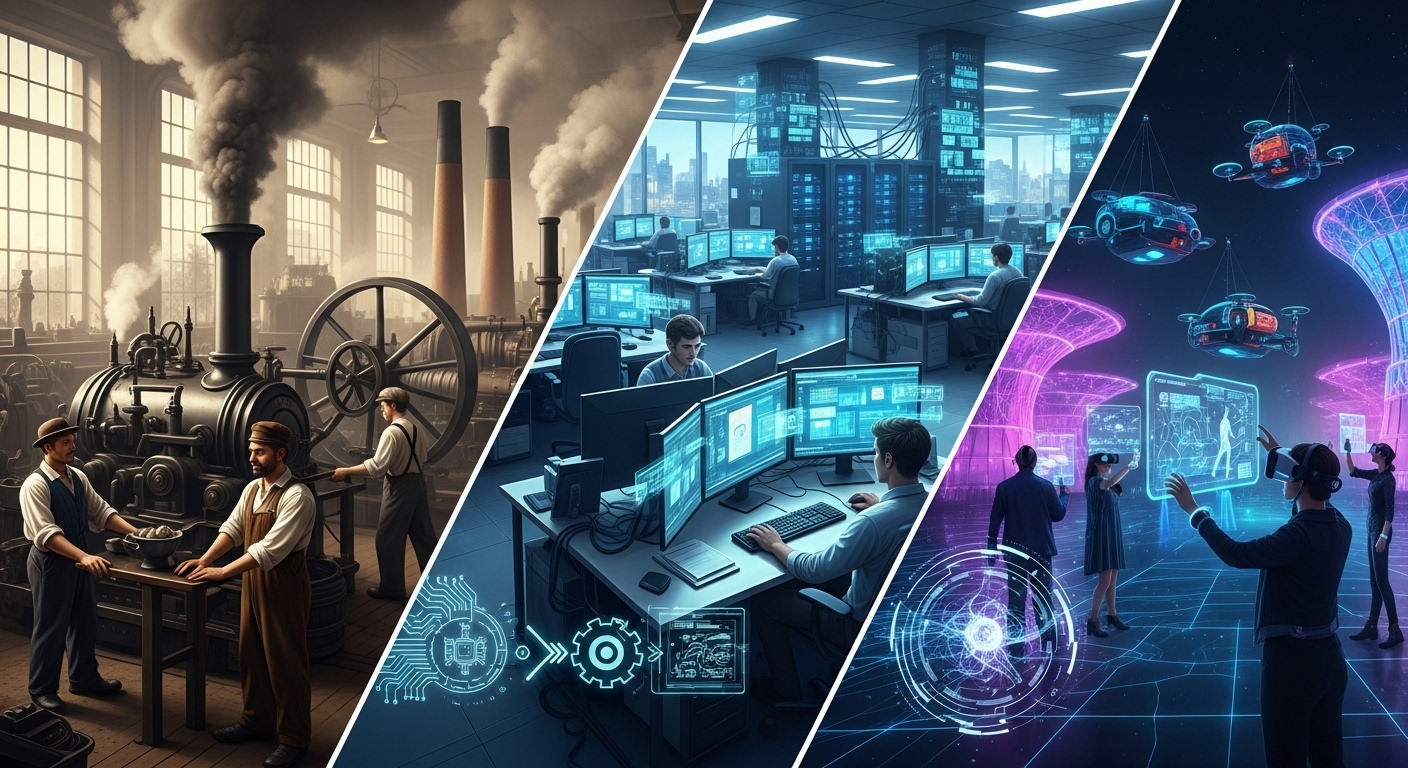
The Industrial Revolution marked a significant leap in technological progress, introducing steam engines, electricity, and mass production techniques. These innovations transformed economies, labor systems, and urbanization, setting the stage for the digital era. Today, the pace of technological advancement is faster than ever, reshaping the world in unprecedented ways.
The Rise of Digital Technology
The digital revolution has been one of the most transformative periods in modern history. Computers, the internet, and mobile devices have become integral to personal and professional life. Digital technology allows people to store, process, and share information instantaneously, breaking geographical barriers and enabling global connectivity.
Software development, cloud computing, and data analytics have revolutionized how businesses operate. Industries leverage digital tools to improve efficiency, make data-driven decisions, and create innovative products and services. Digital technology has not only transformed business but also redefined entertainment, communication, and education.
Artificial Intelligence and Machine Learning
Artificial intelligence (AI) is reshaping industries and daily life by enabling machines to learn, reason, and perform tasks that previously required human intelligence. Machine learning, a subset of AI, allows systems to improve over time by analyzing patterns and outcomes.
AI applications range from virtual assistants and recommendation systems to autonomous vehicles and predictive analytics. In healthcare, AI aids in diagnostics, treatment planning, and drug development. In business, it optimizes operations, forecasts trends, and personalizes customer experiences. AI is a testament to how technology can enhance human decision-making and productivity.
The Impact of the Internet on Society
The internet has transformed how humans interact, work, and consume information. Social media platforms, messaging apps, and video streaming services have revolutionized communication and entertainment. The internet enables collaboration, learning, and cultural exchange on a global scale.
E-commerce and online services have changed the way people shop, bank, and access essential services. Remote work, virtual classrooms, and telehealth have become possible due to internet connectivity. The internet has democratized access to information, fostering innovation and economic growth while also presenting challenges like misinformation and cybersecurity threats.
Robotics and Automation
Robotics and automation are revolutionizing industries by performing tasks with precision, speed, and efficiency. In manufacturing, robots assemble complex products, reducing errors and production time. In healthcare, surgical robots assist with delicate procedures, enhancing accuracy and patient outcomes.
Automation extends beyond physical tasks to digital processes. Software automation, chatbots, and intelligent systems manage repetitive tasks in offices, allowing humans to focus on strategic and creative work. While automation improves productivity, it also requires workforce adaptation and skill development.
Biotechnology and Health Innovations
Technological advancements in biotechnology are transforming healthcare and human life. Genetic engineering, CRISPR technology, and personalized medicine enable targeted treatments and preventative care. Wearable devices monitor vital signs, physical activity, and health trends, providing real-time insights.
Telemedicine platforms allow patients to consult doctors remotely, expanding healthcare access. AI-driven diagnostics improve accuracy and efficiency, while robotic surgery minimizes invasive procedures. Biotechnology demonstrates the powerful intersection of technology and human well-being, promising longer, healthier lives.
Renewable Energy and Environmental Technology
Technology is addressing global challenges like climate change and energy scarcity. Renewable energy innovations, such as solar panels, wind turbines, and energy storage solutions, are transforming power generation. Smart grids and energy-efficient systems optimize consumption, reduce costs, and lower carbon emissions.
Sustainable technologies extend to agriculture, water management, and waste reduction. Precision farming, water purification, and recycling innovations leverage technology to conserve resources and protect the environment. These advancements highlight how technology can solve pressing global problems while supporting sustainable development.
The Role of Smartphones and Mobile Technology
Smartphones have revolutionized how humans interact with technology. They combine computing power, communication capabilities, and access to countless applications in a single portable device. Mobile technology enables navigation, social connection, entertainment, financial management, and education at the touch of a screen.
The integration of AI, augmented reality, and mobile apps has transformed everyday life. Mobile banking, telehealth, and digital learning platforms illustrate how smartphones empower individuals and communities. Mobile technology has made technology more accessible than ever before, creating a highly connected and convenient world.
Cybersecurity and Data Privacy
As technology becomes increasingly integrated into daily life, cybersecurity is essential. Protecting personal and organizational data from cyber threats, identity theft, and digital espionage is critical. Cybersecurity measures include encryption, secure networks, authentication, and risk management strategies.
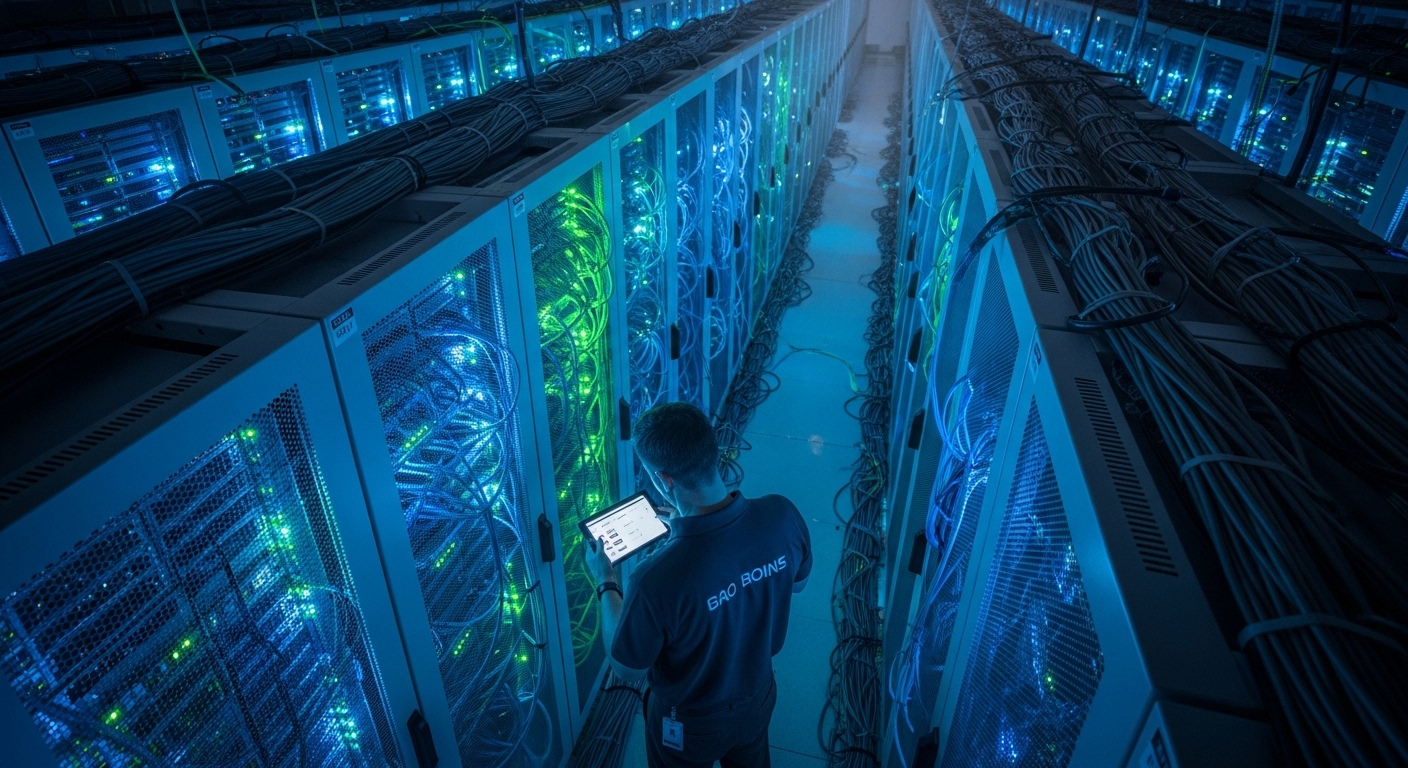
With the rise of IoT devices, cloud computing, and online platforms, safeguarding sensitive information is more complex than ever. Ensuring privacy, ethical data use, and secure systems is vital to maintaining trust and enabling continued technological innovation.
Technology in Education
Technology has transformed education by providing access to knowledge, interactive learning experiences, and personalized instruction. Online courses, virtual classrooms, and educational apps enable students to learn anywhere at their own pace.
AI-driven educational platforms adapt to individual learning styles, highlighting strengths and weaknesses. Technology also facilitates global collaboration among students and educators, promoting cross-cultural learning and innovation. By integrating technology into education, we prepare future generations for a digitally driven world.
Economic Impact of Technology
Technology is a major driver of economic growth, innovation, and employment. Industries such as software development, electronics, AI, and biotechnology generate revenue, create jobs, and foster entrepreneurship.
Businesses leverage technology to increase efficiency, reduce costs, and reach global markets. Digital platforms allow small enterprises to compete internationally, transforming local economies. The economic influence of technology highlights its importance not only as a tool for innovation but also as a foundation for economic development.
Ethical Considerations and Challenges
Despite its benefits, technology presents challenges and ethical dilemmas. Automation and AI can disrupt labor markets, creating social and economic adjustments. Digital dependence may contribute to mental health concerns, while privacy and surveillance issues raise questions about individual rights.
Ethical use of technology requires balancing innovation with responsibility. Policymakers, developers, and society must ensure equitable access, sustainable development, and safe use of technology. Addressing these challenges is essential for creating a future where technology benefits all.
The Future of Technology
The future promises continued technological breakthroughs. Quantum computing could revolutionize problem-solving capabilities, while augmented reality and virtual reality will redefine human interaction with digital environments. AI will become more sophisticated, providing enhanced decision-making, automation, and personalization.
Emerging technologies in biotechnology, nanotechnology, and renewable energy will address health, environmental, and resource challenges. As technology advances, responsible integration into society, ethical use, and equitable access will determine its impact on human life and global development.
Conclusion
Technology is a transformative force that shapes society, culture, and the economy. From historical innovations to modern breakthroughs in AI, robotics, and biotechnology, technology has redefined human capabilities. While challenges like cybersecurity, ethical dilemmas, and workforce adaptation exist, the potential benefits are immense.
By embracing innovation responsibly, technology can continue to improve lives, drive economic growth, and address global challenges. Its impact is all-encompassing, touching every aspect of daily life and promising a future full of possibilities. Technology is not just a tool—it is the framework upon which the modern world is built, shaping our present and guiding us toward the future.