
Introduction
Technology is no longer just a support system for modern life—it is the very fabric that shapes how we work, communicate, learn, and entertain ourselves. From the smartphone in your hand to the cloud servers running global businesses, technology has become indispensable. Over the past few decades, innovation has accelerated at an unprecedented pace, transforming daily routines, industries, and even societal norms.
In this blog, we explore the multifaceted impact of technology, tracing its evolution, examining its role in modern life, and considering what the future holds. Technology is not only a tool but a lens through which humanity can reimagine its possibilities.
The Evolution of Technology
The story of technology is the story of human ingenuity. Early civilizations used tools, wheels, and fire to improve life and survival. The Industrial Revolution introduced machines, steam engines, and electricity, drastically changing production, transportation, and communication. In the 20th century, computers, the internet, and mobile devices ushered in the digital age, creating a global, interconnected society.
Today, technology advances at a speed that previous generations could scarcely imagine. Artificial intelligence, robotics, virtual reality, and quantum computing are no longer theoretical—they are actively shaping industries and lifestyles. Unlike past innovations that often transformed only one sector, modern technology is interwoven into almost every aspect of human life.
Communication in the Digital Era
Perhaps the most profound impact of technology has been on communication. The rise of smartphones, instant messaging, and social media has made connecting with others instantaneous and borderless. Today, a message can travel across the globe in seconds, and video calls allow face-to-face interaction without geographical constraints.
Remote work has become mainstream, with digital collaboration tools allowing teams to operate efficiently across continents. Education has also benefited, with virtual classrooms providing access to learning regardless of location. However, this transformation is not without challenges. Issues like digital fatigue, online misinformation, and the psychological impact of constant connectivity demand thoughtful engagement and digital literacy.
Artificial Intelligence: Shaping the Future
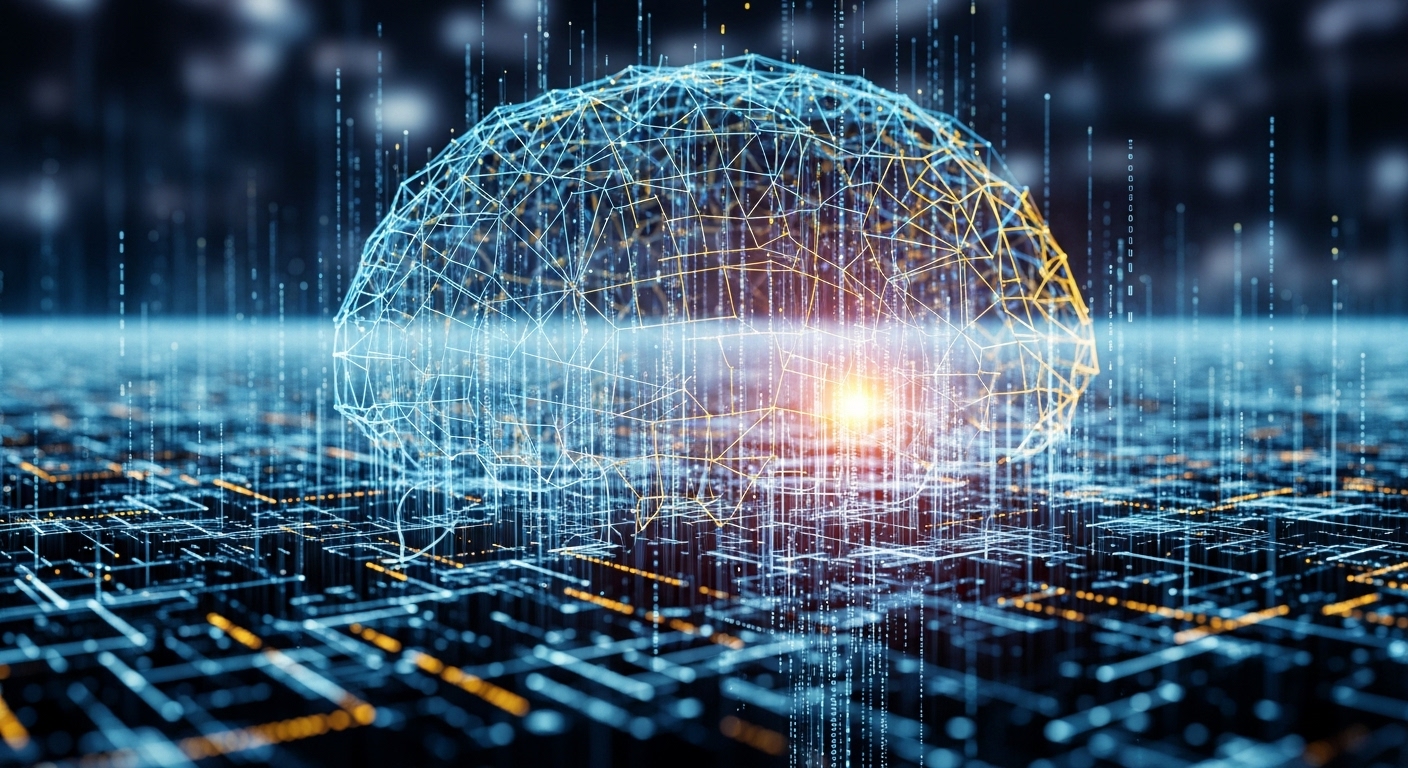
Artificial intelligence, or AI, is one of the most transformative technologies today. AI systems can process vast amounts of data, identify patterns, and make decisions faster than humans. This capability has wide-ranging applications across industries, from healthcare and finance to transportation and customer service.
In healthcare, AI aids in early diagnosis, predicts patient outcomes, and assists in robotic surgeries. In business, it optimizes operations, enhances marketing strategies, and improves customer experiences. AI-powered systems are also driving autonomous vehicles, predictive maintenance in manufacturing, and smart city planning. While the benefits are immense, AI introduces ethical questions surrounding privacy, accountability, and potential job displacement, all of which require careful consideration.
Cloud Computing: The Backbone of Digital Life
Cloud computing has revolutionized how data is stored, accessed, and processed. Rather than relying on physical servers, individuals and businesses can store information in the cloud, accessible from anywhere in the world. This flexibility has enabled remote work, global collaboration, and the growth of software-as-a-service platforms.
Cloud computing also allows scalability, meaning businesses can expand operations without heavy infrastructure costs. Streaming services, online education platforms, and enterprise applications all rely on cloud technology. However, as data migrates to the cloud, cybersecurity becomes critical. Protecting sensitive information from breaches and cyberattacks is a growing challenge in a world increasingly dependent on digital storage.
Internet of Things: Connecting Everything
The Internet of Things (IoT) connects everyday objects to the internet, creating smart environments that collect and share data. From home appliances and wearable health devices to industrial machinery and smart vehicles, IoT enables seamless automation and monitoring.
Smart homes can adjust lighting, temperature, and security settings automatically. Wearable devices monitor heart rates, sleep patterns, and fitness goals. In industries, IoT drives efficiency by monitoring equipment performance, predicting maintenance needs, and optimizing supply chains. Despite these advantages, IoT introduces new risks related to data privacy, security, and network reliability, emphasizing the need for robust safeguards.
Technology in Healthcare
Technology is reshaping healthcare in ways that were unimaginable just a decade ago. Telemedicine enables remote consultations, making medical care accessible to remote areas. Wearable devices allow continuous monitoring of vital signs, while AI algorithms assist in diagnostics and personalized treatment plans.
Robotics enhances surgical precision and reduces recovery times, while data analytics supports epidemic monitoring and public health planning. Genomic research powered by technology allows for personalized medicine, where treatments are tailored to individual genetic profiles. The integration of technology in healthcare is improving outcomes, reducing costs, and making care more accessible, though challenges like equitable access and patient privacy remain critical.
5G Connectivity and the Digital Revolution
The rollout of 5G networks is transforming digital connectivity. With faster speeds, low latency, and greater reliability, 5G enables real-time communication, seamless streaming, and immersive experiences like augmented and virtual reality. Autonomous vehicles, remote surgeries, and industrial automation rely on 5G to function efficiently.
Beyond speed, 5G empowers innovation in smart cities, allowing real-time traffic monitoring, energy management, and public safety improvements. However, building the necessary infrastructure for widespread 5G adoption is a massive undertaking that requires careful planning, investment, and regulatory alignment.
Technology in Education
Education has been fundamentally transformed by technology. Digital classrooms, online courses, and interactive platforms have made learning accessible to millions. Artificial intelligence can personalize education, adapting content to individual student needs and pacing. Gamified learning and virtual simulations engage students in ways traditional methods cannot.
Students can access information instantly, collaborate globally, and develop digital skills that are essential in the modern workforce. Despite these advantages, challenges like the digital divide, unequal access to devices, and the need for digital literacy skills remain significant. Addressing these gaps is essential for technology to enhance education universally.
Cybersecurity: Protecting the Digital World
As technology becomes central to daily life, cybersecurity is more critical than ever. Cyberattacks, data breaches, and identity theft threaten individuals, businesses, and governments. Secure authentication, encryption, and proactive threat monitoring are essential tools in protecting digital assets.
Cybersecurity is not just a technical challenge; it is also a social responsibility. Users must be educated on safe online practices, and organizations must implement robust security policies. As cyber threats evolve, ongoing vigilance, innovation, and awareness are necessary to maintain trust in a digital world.
Ethical Considerations in Technology
With great power comes great responsibility. Technology introduces ethical considerations that must be addressed proactively. Artificial intelligence, automation, data privacy, and digital surveillance raise questions about fairness, accountability, and societal impact.
Ethical technology development requires transparency, inclusivity, and the involvement of diverse stakeholders, including policymakers, ethicists, and the public. Ensuring that technology benefits humanity while minimizing harm is a challenge that will shape the future of innovation.
The Future of Technology
The future of technology promises unprecedented opportunities. Quantum computing could solve problems that classical computers cannot, such as modeling complex systems or optimizing global supply chains. Artificial intelligence will continue to augment human capabilities, automating repetitive tasks while assisting in creative and strategic decision-making.
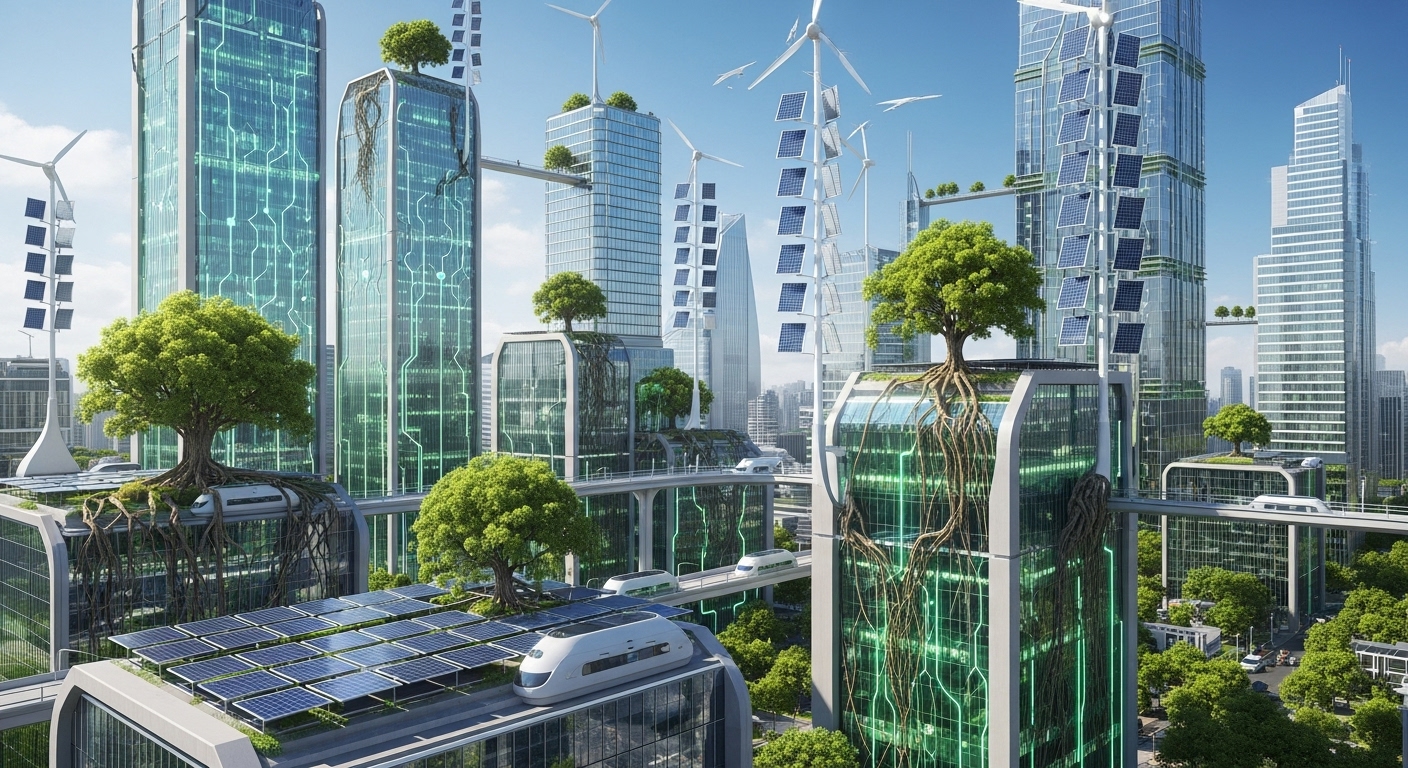
Virtual reality and augmented reality will redefine entertainment, education, and remote work, offering immersive experiences that were once science fiction. Blockchain technology could revolutionize finance, logistics, and identity verification. Sustainable technologies will address environmental challenges, from renewable energy to smart infrastructure.
The next decades will likely see a convergence of multiple technologies, creating intelligent, connected, and efficient systems that reshape industries, societies, and everyday life.
Conclusion
Technology has become more than a tool—it is the framework for modern life, influencing how we work, communicate, learn, and interact. Its evolution, from basic tools to artificial intelligence, cloud computing, and connected devices, demonstrates humanity’s endless drive for innovation.
While technology brings immense benefits, it also raises challenges related to ethics, security, privacy, and equitable access. Navigating these challenges responsibly is essential to ensuring that technology serves humanity positively.
The digital horizon offers a future filled with opportunities—smarter cities, advanced healthcare, global connectivity, and enhanced human creativity. Technology is not just shaping the world we live in today; it is defining the future of humanity. Embracing innovation while maintaining ethical responsibility and inclusivity will allow us to harness the full potential of technology to create a smarter, safer, and more connected world.