The world of technology is undergoing a remarkable transformation. Every day, we witness new breakthroughs that are not just pushing the boundaries of what we thought was possible, but are fundamentally changing the way we live, work, and interact with the world around us. From AI and 5G to the explosion of digital currencies and quantum computing, the next wave of technological innovations promises to shape the future in ways that were once confined to science fiction. In this blog, we’ll explore the latest trends in tech that are setting the stage for a new era of innovation.
The Rise of Artificial Intelligence and Machine Learning
Artificial Intelligence (AI) and Machine Learning (ML) are at the forefront of the current tech revolution. These technologies are no longer abstract concepts; they are driving real-world applications that are transforming industries across the globe. AI enables machines to perform tasks that previously required human intelligence—like understanding natural language, making decisions, and even recognizing images or sounds. Machine Learning, a subset of AI, takes it a step further by allowing machines to learn from data and improve over time.
From healthcare to finance and retail, AI is enabling businesses to become more efficient, personalized, and data-driven. For example, AI-powered diagnostic tools are helping doctors detect diseases earlier and more accurately, while machine learning algorithms are predicting customer behavior to tailor shopping experiences. As AI continues to evolve, we can expect even more profound shifts in how industries operate and how we interact with technology.
5G Networks: Ushering in a New Era of Connectivity
One of the most anticipated advancements in the tech world is the rollout of 5G networks. This new generation of wireless connectivity promises to revolutionize the way we access and share information. With speeds up to 100 times faster than 4G, 5G will not only improve mobile internet but will also enable new technologies such as augmented reality (AR), virtual reality (VR), and autonomous vehicles to thrive.
In addition to faster speeds, 5G will bring lower latency and more reliable connections, which are essential for real-time communication and data transfer. This will be particularly beneficial for industries that rely on instantaneous feedback, like healthcare (e.g., remote surgery) and autonomous driving, where every millisecond counts. As 5G networks expand globally, the doors to new applications and smarter cities will be wide open, laying the foundation for a more connected world.
The Internet of Things (IoT): Connecting the World Around Us
The Internet of Things (IoT) is rapidly expanding, transforming everyday objects into interconnected devices that can communicate with each other over the internet. From smart thermostats and refrigerators to wearable health trackers and connected cars, IoT is making our lives more efficient, convenient, and, in many cases, safer.
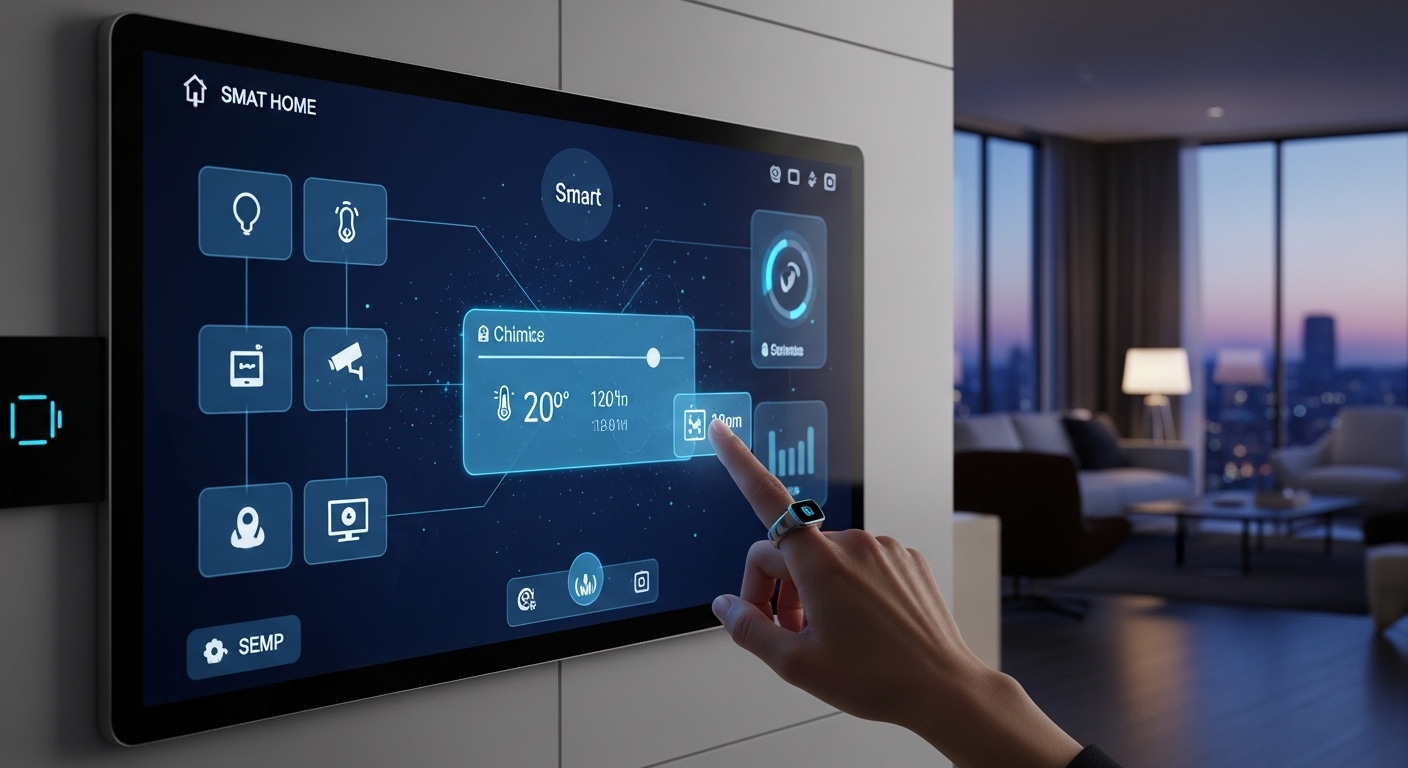
In smart homes, IoT devices are helping us control everything from lighting and heating to security systems—all through a smartphone or voice command. In the industrial sector, IoT is enabling manufacturers to monitor and optimize machinery in real-time, improving productivity and reducing downtime. As IoT continues to grow, it will create a vast network of devices, seamlessly connected to deliver new levels of automation and intelligence.
However, with this interconnectedness comes concerns around security and privacy. As more and more devices collect personal data, the need for robust cybersecurity measures will be critical to safeguarding our digital lives.
Blockchain: Beyond Cryptocurrency
Blockchain technology, most commonly associated with cryptocurrencies like Bitcoin, has far-reaching implications beyond digital currencies. At its core, blockchain is a decentralized, distributed ledger that records transactions across a network of computers. This ensures that data is secure, transparent, and immutable, making it ideal for applications that require trust and accountability.
One of the most promising uses of blockchain technology is in supply chain management. By using blockchain, businesses can track products from their origin to their final destination, ensuring transparency and reducing fraud. Blockchain also has the potential to revolutionize industries like healthcare, where it can be used to securely store and share patient data, or in voting systems, providing a tamper-proof record of votes.
While the broader adoption of blockchain is still in progress, its ability to create trustless systems and eliminate the need for intermediaries is reshaping how industries operate, offering new opportunities for efficiency and security.
Virtual Reality (VR) and Augmented Reality (AR): Changing How We Experience the World
Virtual Reality (VR) and Augmented Reality (AR) are technologies that are transforming the way we experience entertainment, education, and even work. VR immerses users in a fully digital environment, typically through a headset, while AR overlays digital information onto the real world using devices like smartphones or smart glasses.
In gaming and entertainment, VR is already providing users with highly immersive experiences, allowing players to step into virtual worlds. Similarly, AR is enhancing the real-world environment by providing additional information, such as navigation prompts or product details. Retailers are using AR to let customers try on clothes or visualize how furniture will look in their homes, and educational institutions are using VR to create interactive, virtual classrooms.
The potential of VR and AR extends far beyond entertainment and retail. In medicine, VR is being used to train surgeons and simulate complex procedures. In real estate, AR allows buyers to take virtual tours of properties from anywhere in the world. As both technologies improve, they will redefine the boundaries of what we can do and experience in the digital realm.
Quantum Computing: Unlocking Unimaginable Potential
Quantum computing is one of the most exciting areas of tech innovation. Unlike traditional computers that use bits to represent data as either a 0 or 1, quantum computers use qubits, which can represent both 0 and 1 at the same time, thanks to a phenomenon known as superposition. This allows quantum computers to process massive amounts of data at speeds far beyond the capabilities of classical computers.
Though quantum computing is still in its infancy, it has the potential to revolutionize industries ranging from cryptography to drug discovery. In healthcare, quantum computing could help researchers simulate complex molecular interactions, speeding up the development of new drugs. In cybersecurity, quantum computing could break existing encryption methods, leading to the need for more advanced, quantum-resistant security protocols.
While we’re still a few years away from realizing the full potential of quantum computing, it’s clear that this technology will have a profound impact on industries, research, and innovation, unlocking possibilities that we can only begin to imagine.
Sustainability and Green Tech: A Path Forward
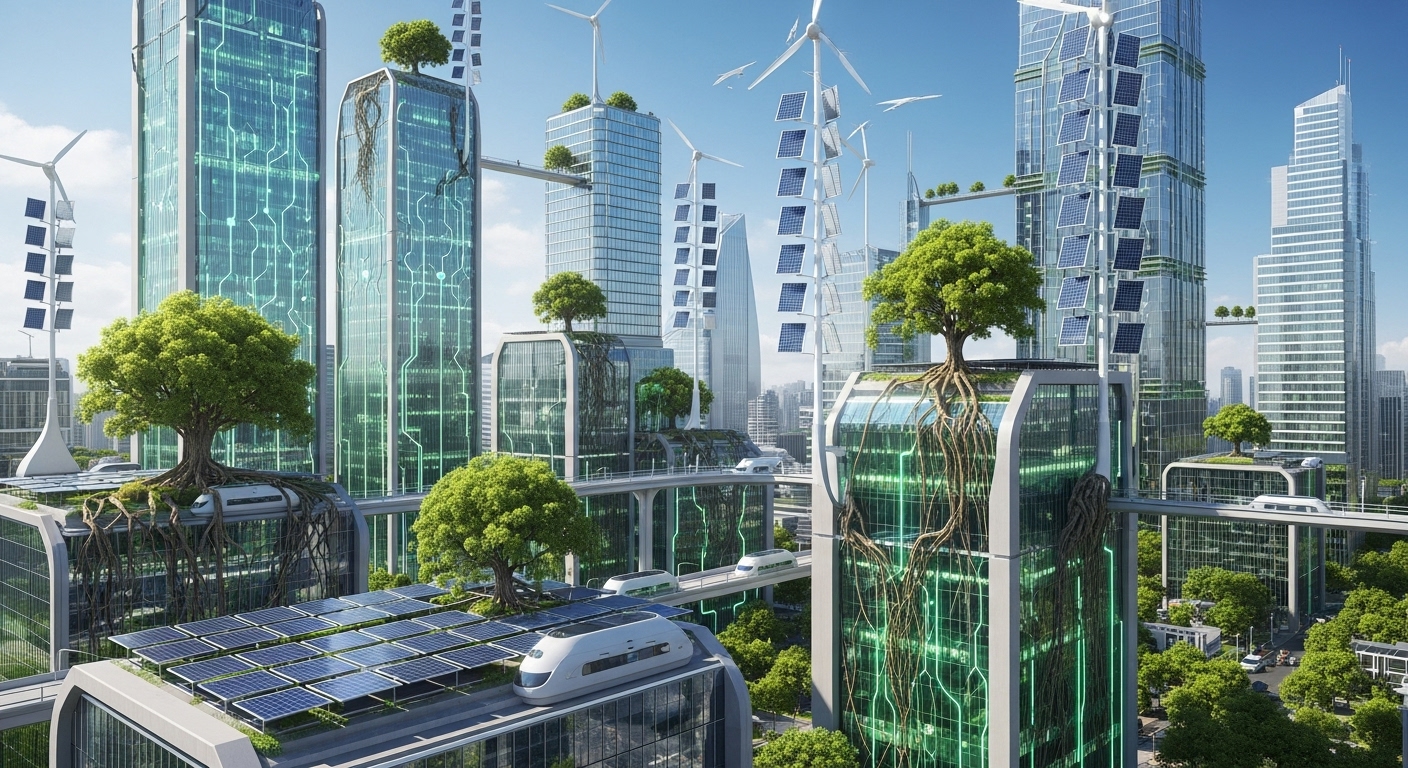
As the world grapples with climate change, the role of technology in promoting sustainability has never been more important. Green technologies, from renewable energy sources like solar and wind to energy-efficient appliances and electric vehicles, are becoming central to efforts to reduce our environmental footprint.
One of the most promising advancements in green tech is in the area of energy storage. Innovations in battery technology are making it possible to store renewable energy more efficiently, ensuring a steady supply of power even when the sun isn’t shining or the wind isn’t blowing. Electric vehicles (EVs) are also becoming more affordable and accessible, helping to reduce carbon emissions in transportation.
Technology’s role in sustainability extends beyond energy. AI and IoT are helping optimize energy usage in homes and businesses, while blockchain can create more transparent, traceable supply chains that support ethical and eco-friendly practices. As green technologies continue to evolve, they will play a key role in shaping a more sustainable future.
Conclusion: Embracing the Future of Tech
The technological innovations of today are setting the stage for a future that’s more interconnected, intelligent, and efficient than ever before. From AI and 5G to quantum computing and green tech, the possibilities are endless. However, as we embrace these advancements, we must also consider the ethical implications and potential risks associated with these technologies.
The future of technology holds immense promise, and it is up to us to ensure that these innovations are harnessed for the benefit of society. As we look ahead, one thing is clear: the next wave of technological advancements will not only change how we live, but will redefine the very nature of human experience.