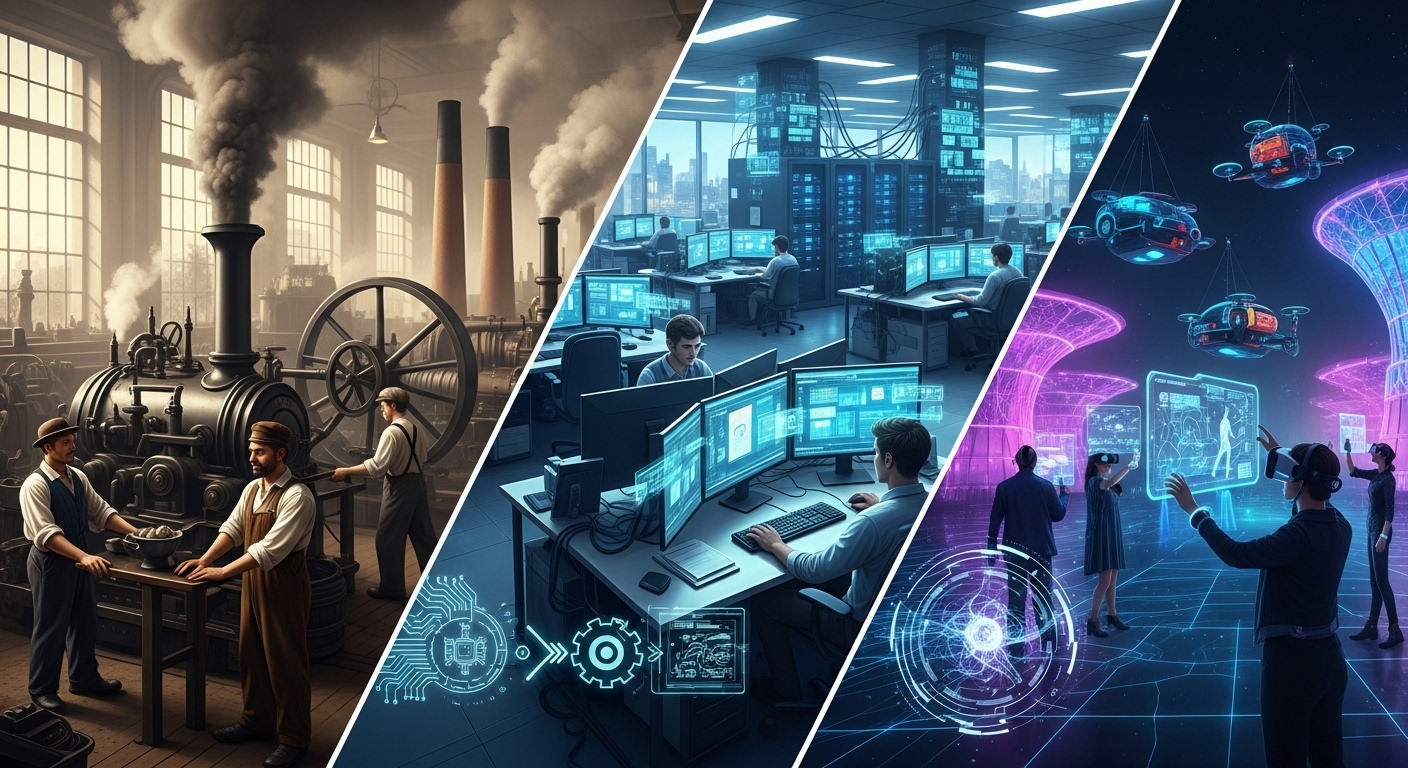
Introduction: The Technological Revolution We Are Living In
In just a few decades, the world has experienced an explosion of technological advancements that have transformed nearly every aspect of our lives. From the way we communicate to how we work, shop, and even socialize, technology has become the driving force behind modern civilization. What was once considered science fiction is now a part of our daily existence—smartphones, artificial intelligence, and self-driving cars are no longer concepts of the future but realities of today.
But this rapid evolution is far from over. The next wave of innovations promises to disrupt industries, reshape economies, and challenge how we understand the world. As we stand on the edge of this new technological era, it’s important to reflect on how far we’ve come and what lies ahead. This blog post takes a deep dive into the current state of technology, its impact on society, and the exciting possibilities that the future holds.
The Digital Transformation: The Era of Connectivity
One of the most profound shifts in recent years has been the rise of digital connectivity. The internet has revolutionized the way we interact with information, access services, and communicate with each other. No longer limited to a computer on a desk, the internet is now everywhere, embedded in our phones, homes, and even our cars.
The concept of a “connected world” is no longer just a buzzword—it is the reality we live in. From smart devices to wearable technology, the ability to connect with others, access real-time information, and streamline everyday tasks has become part of our routine. The Internet of Things (IoT), which refers to the network of interconnected devices that communicate with one another, has opened new doors in terms of automation, convenience, and efficiency. Homes can now be equipped with smart thermostats, voice-controlled lights, and even refrigerators that can track your groceries.
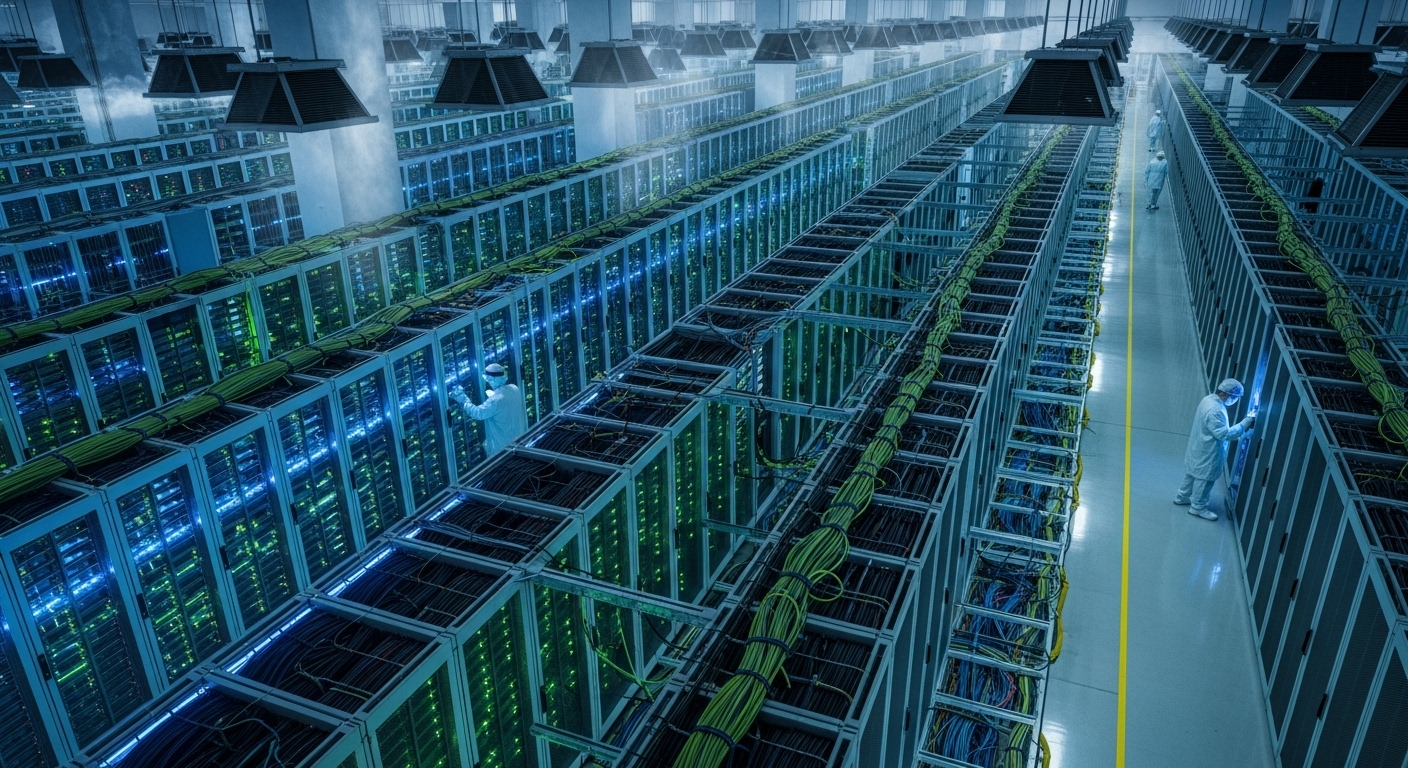
For businesses, the internet has opened new opportunities for growth and innovation. Cloud computing allows organizations to store vast amounts of data off-site, accessible from anywhere in the world. This flexibility not only enhances productivity but also supports more sustainable practices, reducing the need for physical office spaces and infrastructure.
In terms of communication, social media platforms, video calls, and instant messaging have replaced traditional forms of contact, allowing us to stay connected in ways that were once unimaginable. The shift toward digital communication, especially accelerated by the COVID-19 pandemic, has highlighted the importance of technology in maintaining social relationships and fostering collaboration in an increasingly remote world.
Artificial Intelligence: The Brain Behind the Machines
Artificial Intelligence (AI) has long been a topic of speculation and intrigue. However, recent developments in machine learning, natural language processing, and neural networks have brought AI from the realm of science fiction to the forefront of everyday applications. AI is now being used in everything from virtual assistants like Siri and Alexa to more complex systems in healthcare, finance, and manufacturing.
The power of AI lies in its ability to process and analyze vast amounts of data quickly, making decisions or predictions with incredible accuracy. For example, in healthcare, AI algorithms can now assist doctors in diagnosing diseases, recommending treatments, and even predicting patient outcomes based on historical data. In finance, AI-powered systems are used for fraud detection, automated trading, and risk analysis, allowing institutions to make faster and more informed decisions.
Moreover, AI is playing a significant role in improving customer experiences. Chatbots, recommendation engines, and personalized advertising are all powered by AI algorithms that adapt to user behavior and preferences. As AI continues to evolve, its potential to transform industries is limitless. The ability for machines to learn, adapt, and improve on their own opens up a world of possibilities in automation, personalized services, and intelligent decision-making.
The Rise of Automation: How Robots Are Changing the Workforce
Automation is one of the most transformative trends in modern technology. While automation has been present in industries like manufacturing for decades, the integration of advanced robotics and AI has significantly increased its scope and impact. In warehouses, for instance, robots are now responsible for sorting, packaging, and even delivering products without human intervention. Autonomous vehicles, from drones to self-driving trucks, are set to revolutionize logistics and transportation.
The impact of automation is also being felt in the service sector. Fast food chains, for example, are adopting robotic systems to handle tasks like cooking, order-taking, and even food delivery. In healthcare, robots are being used for surgeries and to assist elderly patients with daily tasks. Automation is also making its way into the creative industries, where AI tools are being used to generate music, art, and even write articles.
While automation promises increased efficiency and lower costs, it also raises questions about the future of work. As robots and AI systems take over routine tasks, there is concern about job displacement and the need for reskilling workers to adapt to new roles. However, automation also presents an opportunity to rethink how we work, emphasizing creativity, innovation, and higher-level decision-making that machines cannot replicate. The challenge will be to strike a balance between technological advancement and workforce adaptation, ensuring that the benefits of automation are shared across society.
The Impact of 5G: A New Era of Speed and Connectivity
One of the most eagerly anticipated advancements in technology is the rollout of 5G networks. As the fifth generation of wireless technology, 5G promises to deliver faster speeds, lower latency, and more reliable connections than ever before. This leap forward will have a profound impact on industries ranging from healthcare to entertainment and everything in between.
For consumers, 5G will enable seamless streaming of high-definition videos, immersive experiences in virtual and augmented reality, and faster downloads for mobile applications. The increased speed and connectivity will also allow for more reliable video conferencing, supporting remote work and communication on a global scale.
In industries like healthcare, 5G will enable real-time data sharing, allowing for faster diagnostics and more efficient treatments. Surgeons may be able to perform remote surgeries with the help of robots connected through 5G networks, ensuring precise and timely procedures even in remote locations.
For businesses, 5G will enable the growth of IoT and smart technologies. With faster and more reliable connections, businesses can deploy smart devices, sensors, and equipment that communicate seamlessly with each other. This will lead to more efficient operations, better inventory management, and enhanced customer experiences.
However, the implementation of 5G also brings challenges, including concerns about privacy, security, and the digital divide. Ensuring that 5G infrastructure is secure and accessible to all will be crucial as we move forward into this new era of connectivity.
Cybersecurity: Protecting Our Digital Lives
As technology continues to advance, the need for robust cybersecurity measures has never been greater. With more of our personal information stored online and more devices connected to the internet, the potential for cyberattacks and data breaches is a growing concern. Hackers, ransomware attacks, and data theft are just a few of the risks that individuals and businesses face in an increasingly digital world.
To combat these threats, cybersecurity technologies are evolving rapidly. AI and machine learning are being used to detect and respond to threats in real-time, identifying patterns in data that may indicate a breach. Encryption and multi-factor authentication are becoming standard practices to protect sensitive data, while blockchain technology is being explored for its potential to create more secure, transparent systems.
As individuals, we must also take responsibility for protecting our digital lives. Simple measures, such as using strong passwords, avoiding suspicious links, and keeping software updated, can go a long way in preventing cyberattacks. However, as technology continues to advance, the role of cybersecurity will only grow more critical in maintaining trust and security in the digital world.
The Future of Technology: What Lies Ahead?
The pace of technological innovation shows no signs of slowing down. From artificial intelligence and quantum computing to biotechnology and space exploration, the future promises exciting breakthroughs that will continue to reshape our world. In the near future, we may see the rise of fully autonomous cities, where everything from transportation to healthcare is managed by AI systems. Space tourism, genetic engineering, and personalized medicine are likely to become mainstream, opening new frontiers for human exploration and possibility.
However, as technology advances, it is important to consider its societal and ethical implications. Issues like privacy, inequality, and the potential misuse of technology will need to be addressed. The responsibility lies with both the creators and consumers of technology to ensure that these advancements are used for the greater good and that their benefits are accessible to all.
Conclusion: Embracing the Tech-Driven Future
Technology is not just transforming the way we live—it is shaping the very future of humanity. From the digital revolution to artificial intelligence, automation, and the rapid pace of connectivity, the world is evolving at an unprecedented rate. While challenges remain, the potential for innovation and progress is limitless.
As we continue to navigate this technological landscape, it’s important to embrace the opportunities that technology offers while remaining mindful of its ethical and social impacts. The future of technology is in our hands, and it is up to us to shape it in a way that benefits all of society.
In the end, technology is not just about machines and gadgets—it’s about the possibilities they create for improving our lives, connecting us in meaningful ways, and pushing the boundaries of what we thought was possible. We are only at the beginning of this incredible journey, and the best is yet to come.