Introduction: Living Inside the Age of Invisible Machines
Technology is no longer something we simply use. It is something we live inside. From the moment we wake up to the moment we fall asleep, unseen systems guide our decisions, record our actions, and predict our needs. This transformation did not happen overnight. It evolved quietly, line by line of code, chip by chip, until technology became an extension of human thought and behavior. Today, understanding technology is no longer optional. It is essential to understanding the future of humanity itself.
The Evolution From Tools to Intelligence
Early technology was simple and direct. Tools were created to solve physical problems, such as farming, transportation, or communication over long distances. As computing power increased, technology shifted from mechanical assistance to cognitive support. Machines stopped being passive tools and began making decisions.
Modern systems analyze data, learn from patterns, and adapt over time. This evolution marks a major turning point. Technology is no longer waiting for instructions; it is interpreting context. Artificial intelligence, machine learning, and automation have pushed technology beyond execution into the realm of judgment. This shift raises important questions about control, responsibility, and trust.
Artificial Intelligence as a Thinking Partner
Artificial intelligence is often misunderstood as a replacement for human intelligence. In reality, its greatest strength lies in collaboration. AI excels at processing massive amounts of information at speeds impossible for humans. It identifies trends, predicts outcomes, and highlights risks. Humans, on the other hand, bring creativity, emotion, ethics, and intuition.
In healthcare, AI assists doctors by analyzing medical images and patient histories. In education, it personalizes learning experiences. In business, it optimizes supply chains and customer interactions. These examples show that AI is not removing humans from the equation. It is reshaping how humans think, decide, and act.
Data as the New Digital Currency
Data is the foundation of modern technology. Every click, search, movement, and interaction generates information. This data fuels algorithms, drives innovation, and shapes user experiences. Companies that understand data gain insight into behavior, preferences, and future demand.
However, the rise of data-driven systems introduces serious challenges. Privacy, consent, and ownership have become critical concerns. When personal data is collected at scale, the risk of misuse grows. Responsible technology development requires transparency, strong security, and ethical standards that prioritize individuals over profit.
The Rise of Automation and the Changing Nature of Work
Automation has transformed industries by increasing efficiency and reducing repetitive labor. Tasks that once required hours of human effort can now be completed in seconds by machines. Manufacturing, logistics, finance, and customer service have all experienced this shift.
While automation increases productivity, it also changes the job landscape. Some roles disappear, new roles emerge, and many existing roles evolve. The future workforce must focus on adaptability, digital literacy, and continuous learning. Skills such as critical thinking, creativity, and emotional intelligence are becoming more valuable than routine technical tasks.
Technology and the Human Mind
Technology does not only change how we work; it changes how we think. Constant connectivity has shortened attention spans while increasing access to information. Social platforms influence perception, emotion, and identity. Algorithms decide what content we see, subtly shaping beliefs and opinions.
This influence demands awareness. Technology should enhance mental well-being, not erode it. Designers and users alike share responsibility for creating healthy digital habits. Balance, mindfulness, and intentional use are becoming essential skills in the digital age.
Cybersecurity in a Hyperconnected World
As technology becomes more integrated into daily life, security becomes more complex. Cyber threats are no longer limited to stolen passwords or viruses. They include identity theft, misinformation, financial fraud, and attacks on critical infrastructure.
Cybersecurity is no longer just a technical issue. It is a social and economic concern. Governments, organizations, and individuals must work together to create resilient systems. Education plays a key role in teaching people how to protect themselves and recognize digital risks.
The Ethics of Innovation
Every technological breakthrough carries ethical implications. Facial recognition raises questions about surveillance. Genetic technology challenges ideas of privacy and consent. Autonomous systems force society to reconsider accountability.
Ethical innovation requires foresight. Developers must consider not only what technology can do, but what it should do. Including diverse perspectives in design and decision-making helps reduce bias and unintended harm. Ethics should not be an afterthought; it should be embedded in every stage of development.
Bridging the Digital Divide
While technology advances rapidly, access remains unequal. Many communities still lack reliable connectivity, modern devices, or digital education. This digital divide limits opportunity and reinforces inequality.
Closing this gap is one of the most important challenges of our time. Affordable access, inclusive design, and digital literacy programs can empower individuals and communities. Technology reaches its full potential only when it serves everyone, not just a privileged few.
Sustainable Technology and the Planet
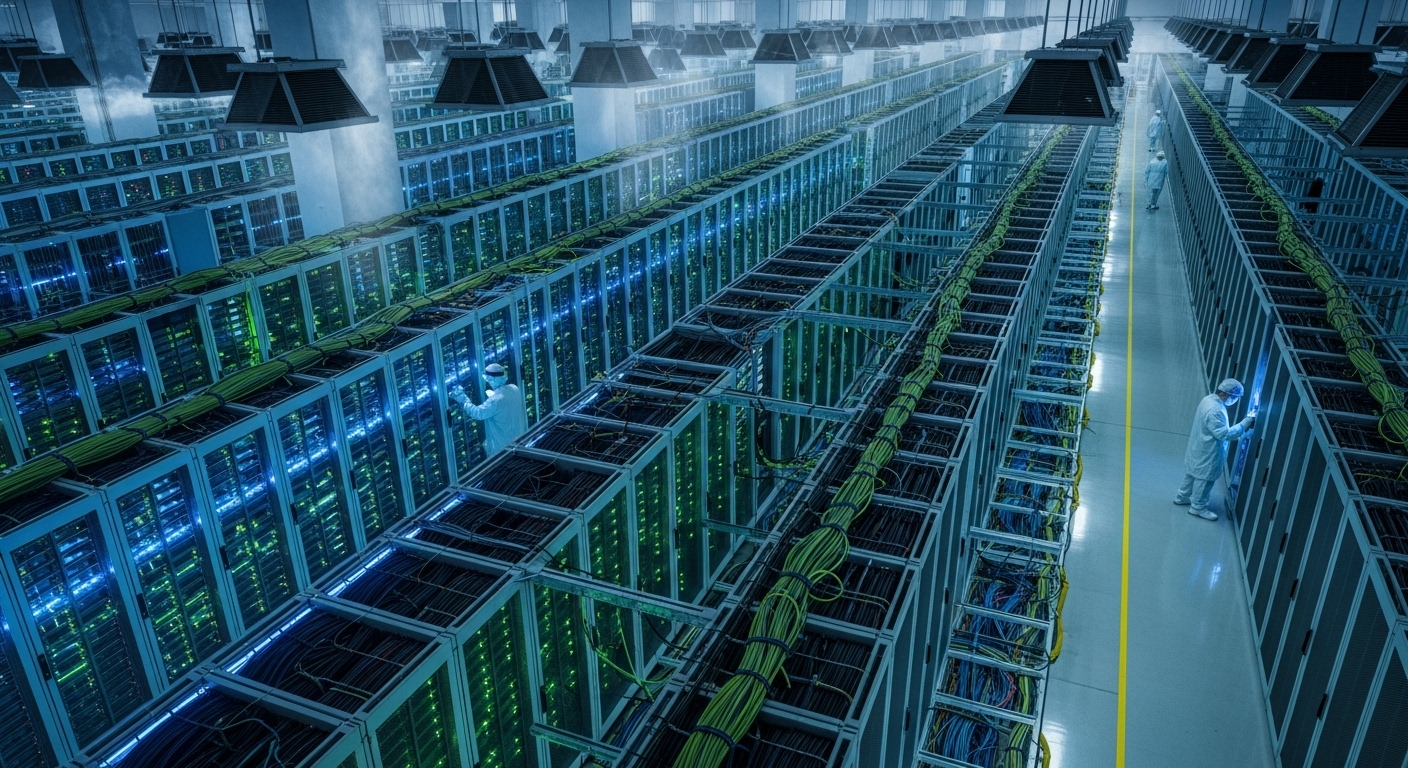
Technology has the power to protect the environment or accelerate its destruction. Data centers consume massive amounts of energy, while electronic waste continues to grow. At the same time, technology enables renewable energy, efficient transportation, and smarter resource management.
Sustainable innovation focuses on long-term impact. Energy-efficient systems, recyclable materials, and responsible production methods are no longer optional. The future of technology must align with the future of the planet.
The Future: Human-Centered Technology
The next phase of technological growth will be defined by intention. Instead of asking how fast technology can advance, society must ask how wisely it can be used. Human-centered technology prioritizes dignity, inclusion, and well-being.
This future depends on collaboration between engineers, policymakers, educators, and users. Technology should amplify human potential, not replace it. When guided by values, innovation becomes a force for progress rather than disruption.
Conclusion: Writing the Next Chapter Together
Technology is not an external force acting upon humanity. It is a reflection of human choices, priorities, and imagination. Every system built today shapes the world of tomorrow. The responsibility is shared by creators and users alike.
As technology continues to evolve, the most important question remains simple. Are we using our tools to become more human, or less? The answer will define the legacy of this digital era.