
Introduction: The Unstoppable Force of Technology
In the modern era, technology is no longer just a tool; it has become an integral part of human life. From the way we communicate to the way we work, travel, and even think, technology continuously reshapes our daily experiences. The pace of innovation is faster than ever before, and the boundaries of what is possible are expanding at an exponential rate. This blog explores the current trends, future possibilities, and societal implications of technological advancements, highlighting how innovation is shaping the world around us.
Artificial Intelligence: Redefining Intelligence
Artificial Intelligence, commonly known as AI, is one of the most transformative technologies of the 21st century. Initially developed to mimic human cognitive processes, AI now powers a wide array of applications. From virtual assistants that schedule our appointments to predictive algorithms that guide medical diagnoses, AI has moved from science fiction into everyday reality.
AI is not limited to simple automation; it has evolved into deep learning systems capable of analyzing vast datasets, recognizing patterns, and making complex decisions. Industries such as healthcare, finance, manufacturing, and even entertainment have seen revolutionary changes thanks to AI. The future promises even more sophisticated systems that could potentially understand human emotions, anticipate needs, and optimize processes on a global scale.
Despite its potential, AI also raises ethical questions. The reliance on algorithms for critical decision-making can lead to biases if not properly regulated. Additionally, the prospect of AI-driven automation replacing human labor is a topic of significant debate. Balancing innovation with ethical considerations will be crucial in shaping a future where AI benefits all of humanity.
Internet of Things: A Connected World
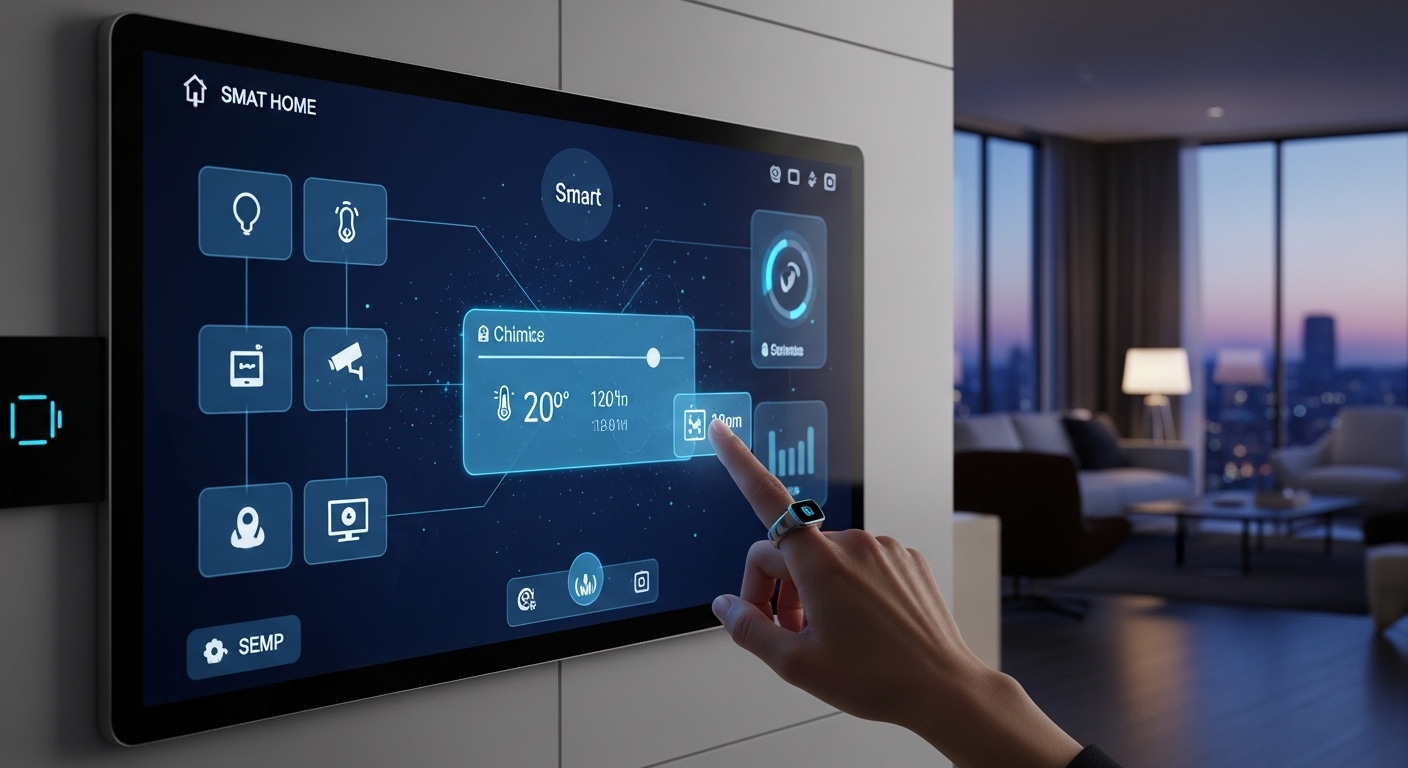
The Internet of Things, or IoT, represents a world where devices are interconnected, sharing data seamlessly to enhance efficiency and convenience. Smart homes, wearable fitness trackers, connected vehicles, and industrial sensors are all part of this ecosystem. IoT devices collect vast amounts of real-time data, enabling smarter decision-making and improved resource management.
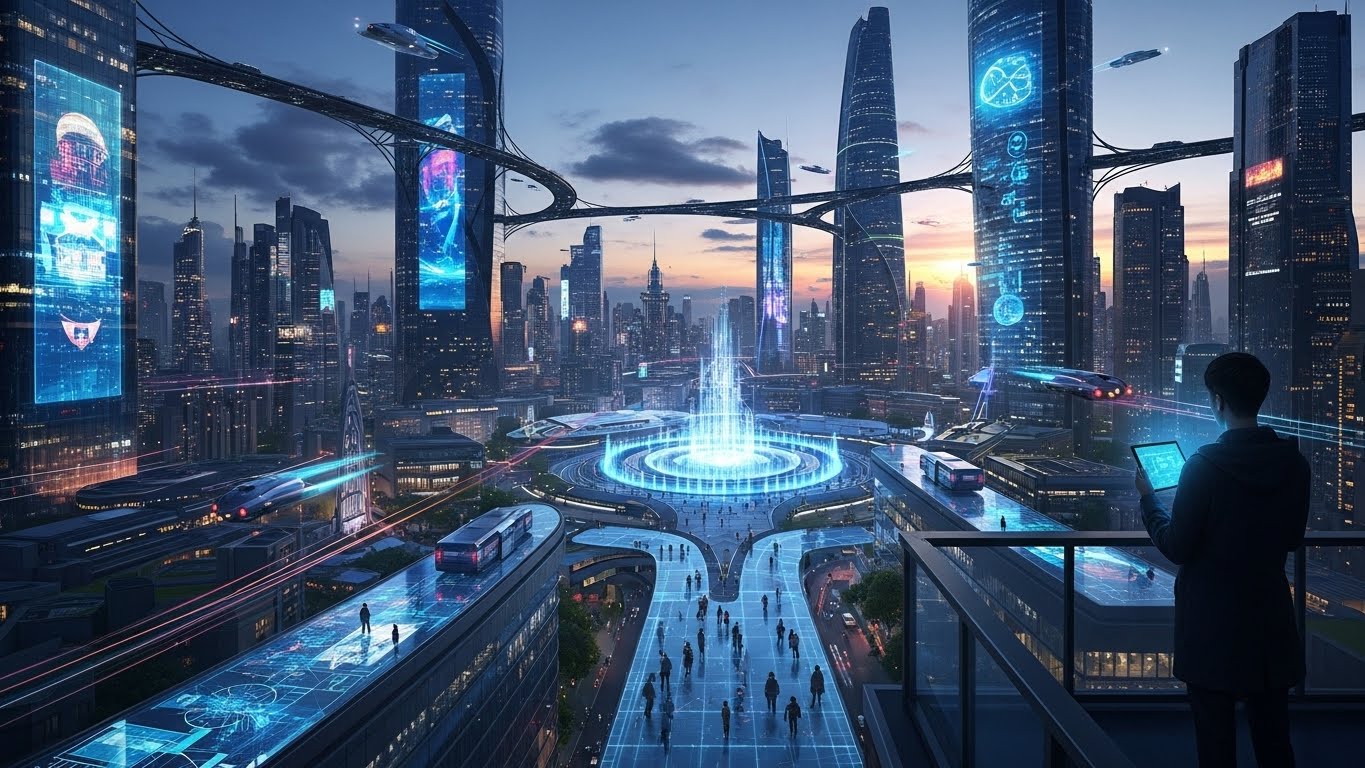
Imagine a city where traffic lights communicate with vehicles to reduce congestion, energy grids optimize consumption automatically, and healthcare devices monitor patients remotely. This interconnectedness promises a level of convenience and efficiency previously unimaginable. However, it also introduces new challenges, particularly regarding data privacy and cybersecurity. As more devices become interconnected, the potential for data breaches and unauthorized access increases, highlighting the importance of robust security measures in the IoT era.
Blockchain: Beyond Cryptocurrency
When most people hear the term blockchain, they immediately think of cryptocurrencies. While digital currencies like Bitcoin have popularized the technology, blockchain’s potential extends far beyond financial applications. At its core, blockchain is a decentralized ledger that ensures transparency, security, and immutability of data.
Industries such as supply chain management, healthcare, and voting systems are exploring blockchain solutions to ensure trust and accountability. For instance, blockchain can track the origin and movement of goods across the supply chain, preventing fraud and ensuring quality. In healthcare, patient records can be securely stored and accessed by authorized professionals without the risk of tampering.
The key advantage of blockchain is its ability to eliminate intermediaries, reducing costs and improving efficiency. However, scalability and energy consumption remain significant challenges. Future innovations are likely to address these issues, making blockchain a cornerstone of secure and transparent digital systems.
Augmented and Virtual Reality: Blurring the Line Between Real and Digital
Augmented Reality (AR) and Virtual Reality (VR) technologies are transforming the way we experience the digital world. AR overlays digital information onto the physical environment, enhancing our perception of reality. VR, on the other hand, immerses users in a completely virtual environment, creating experiences that are both engaging and interactive.
These technologies are not just limited to gaming and entertainment. In education, AR and VR can provide immersive learning experiences, making complex subjects easier to understand. In healthcare, surgeons can practice procedures in a virtual environment before performing them on real patients. Retailers are using AR to allow customers to visualize products in their homes before purchase, enhancing the shopping experience.
As hardware becomes more affordable and software more sophisticated, the adoption of AR and VR is expected to grow exponentially. The future may see a world where the line between physical and digital experiences becomes increasingly blurred, fundamentally altering the way we interact with information and each other.
5G and the Future of Connectivity
The rollout of 5G networks is set to revolutionize connectivity. With speeds up to 100 times faster than 4G and significantly lower latency, 5G enables real-time communication and seamless streaming of data-intensive applications. This has profound implications for technologies such as autonomous vehicles, smart cities, and remote medical procedures.
5G will also accelerate the adoption of IoT by supporting a massive number of connected devices simultaneously. This will enable real-time data processing and decision-making on a scale previously unattainable. However, the infrastructure required for 5G deployment is complex, and concerns about spectrum allocation, privacy, and health effects continue to be discussed. Nonetheless, the potential benefits of ultra-fast, low-latency networks are immense, paving the way for a truly interconnected world.
Sustainable Technology: Innovating for the Planet
As technology advances, so does the need to consider its environmental impact. Sustainable technology focuses on reducing energy consumption, minimizing waste, and creating eco-friendly solutions. Innovations such as energy-efficient data centers, electric vehicles, and renewable energy sources are redefining the relationship between technology and sustainability.
Artificial Intelligence and IoT are also contributing to environmental conservation. Smart grids optimize energy distribution, precision agriculture reduces water and pesticide use, and AI-powered climate models improve predictions and disaster response. The intersection of technology and sustainability represents a critical frontier where innovation meets responsibility, ensuring that progress does not come at the cost of the planet.
Ethical Considerations in Technology
While technological advancements offer unprecedented opportunities, they also pose ethical dilemmas. Issues such as data privacy, algorithmic bias, job displacement, and surveillance are increasingly relevant in a world dominated by technology. Ethical frameworks and regulations must evolve alongside innovation to ensure that technology serves humanity rather than undermining it.
Transparency and accountability are key to addressing these challenges. Companies and developers must consider the societal impact of their innovations and implement safeguards to protect users. Ethical technology is not just a moral imperative but also a strategic advantage, as consumers and governments increasingly demand responsible innovation.
The Human-Machine Collaboration
One of the most exciting prospects of technological advancement is the potential for humans and machines to collaborate in ways that enhance creativity, productivity, and problem-solving. Rather than replacing humans, technology can augment human capabilities, allowing us to tackle complex challenges more effectively.
From AI-assisted research to robotic surgery and collaborative design tools, the synergy between humans and machines is reshaping industries. This collaboration emphasizes the importance of adaptability, lifelong learning, and digital literacy, as individuals must develop new skills to thrive in a technology-driven world.
Looking Ahead: The Future of Technology
The trajectory of technology suggests a future that is both exciting and complex. Emerging fields such as quantum computing, advanced biotechnology, and brain-computer interfaces hold transformative potential, but they also introduce new ethical, social, and economic considerations. The challenge will be to harness these innovations responsibly, ensuring that technological progress benefits all of humanity.
In conclusion, technology is not just shaping our world—it is redefining it. The pace of innovation, the convergence of digital and physical experiences, and the increasing integration of AI, IoT, and connectivity promise a future full of possibilities. However, with great power comes great responsibility. As we navigate this technological landscape, ethical considerations, sustainability, and human-centered design must remain at the forefront. By embracing innovation thoughtfully and responsibly, we can create a future where technology enhances human potential and fosters a more connected, sustainable, and equitable world.
Final Thoughts
Technology is more than a series of gadgets or software—it is a reflection of human ingenuity and ambition. As we continue to push the boundaries of what is possible, it is essential to remember that technology is a tool. How we wield it determines whether it becomes a force for progress or a source of challenges. The journey ahead is filled with opportunities, and those who understand, adapt, and innovate will shape the world for generations to come.