In today’s rapidly evolving world, technology touches every aspect of our lives. From the devices we use to communicate with loved ones, to the intricate algorithms that power the systems behind our daily routines, technology has become a cornerstone of modern existence. However, what lies ahead in the future of technology? What are the emerging trends and how will they impact us? This blog post takes a deeper dive into the innovations that are set to change the way we live, work, and interact in the near future.
The Role of Artificial Intelligence in Shaping Tomorrow’s World
Artificial Intelligence (AI) is no longer just a buzzword — it’s a transformative force that’s already integrated into our daily lives. Whether it’s through virtual assistants like Siri or Alexa, or more complex systems that analyze data for predictive analytics, AI is evolving at a rapid pace. The future of AI promises even more significant advancements.
AI in Healthcare
One of the most exciting areas where AI is making an impact is in the field of healthcare. Machine learning algorithms can analyze medical data faster and more accurately than human doctors, leading to earlier diagnosis and better treatment plans. AI-powered tools like predictive analytics could help identify potential health risks before they become major issues, saving lives and reducing healthcare costs. In the near future, AI could even assist in drug discovery, speeding up the process of bringing life-saving medications to market.
AI in Autonomous Vehicles
Autonomous vehicles, powered by AI, are another development that promises to change our lives. Imagine a future where traffic accidents are drastically reduced because cars can communicate with each other to avoid collisions. Self-driving vehicles could also reduce congestion, lower emissions, and provide greater mobility for those who are unable to drive themselves. While challenges remain in perfecting autonomous technology, it’s clear that the future of transportation is heading in this direction.
AI in Personalization and Customer Experience
AI is also revolutionizing the way companies interact with customers. From personalized recommendations on streaming platforms to AI-driven chatbots providing 24/7 customer service, businesses are using AI to enhance customer experience. In the future, AI will continue to evolve, offering hyper-personalized services that cater to individual needs and preferences, making interactions with brands more efficient and satisfying.
Quantum Computing: The Next Frontier of Innovation
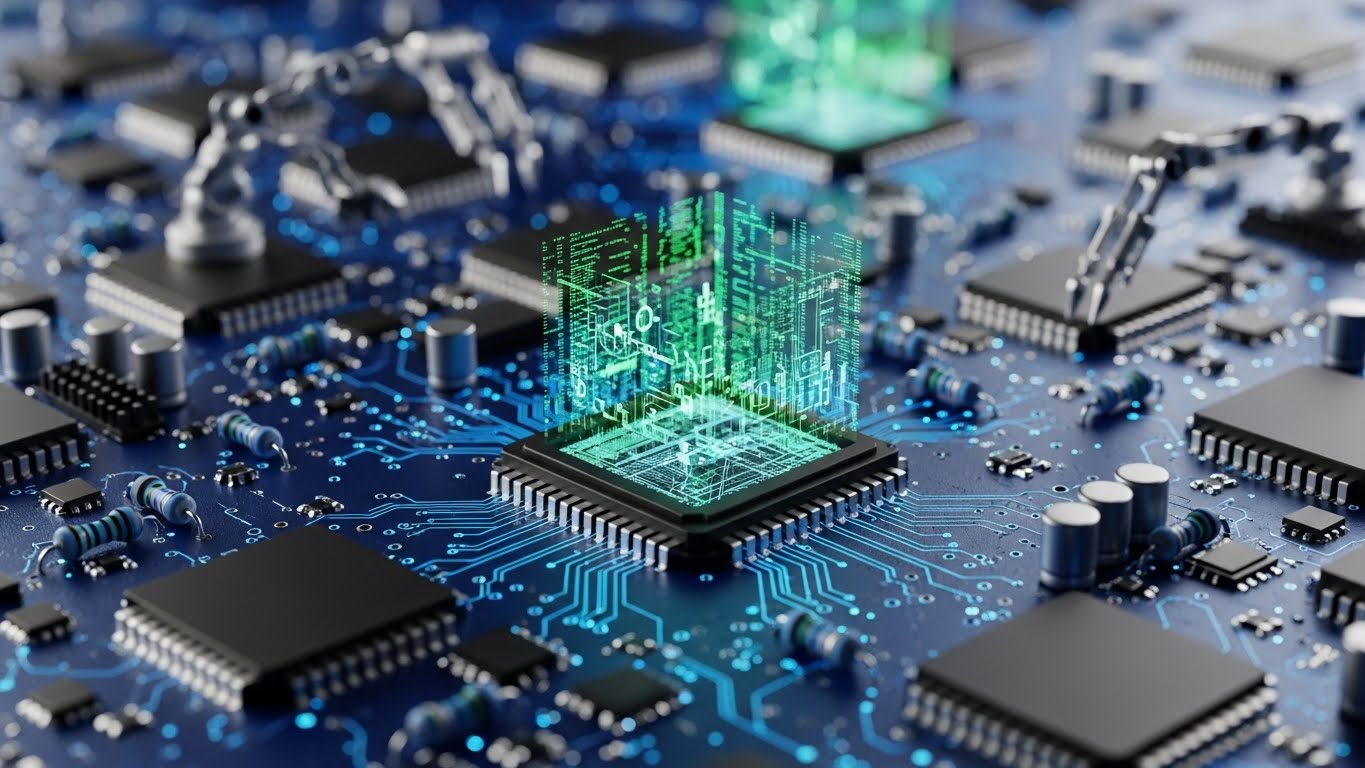
Quantum computing is another breakthrough technology that promises to revolutionize various industries. Unlike traditional computers that process information in binary (0s and 1s), quantum computers use qubits, which can exist in multiple states simultaneously. This allows quantum computers to solve certain types of problems much faster than classical computers.
Quantum Computing in Cryptography
One of the most significant implications of quantum computing lies in the field of cybersecurity. Quantum computers are expected to crack current encryption methods that keep sensitive data safe. As a result, there is a race to develop quantum-resistant encryption techniques that will safeguard our digital information. Quantum cryptography could offer a new layer of security for everything from financial transactions to personal data.
Quantum Computing in Medicine and Material Science
Quantum computing could also accelerate advancements in fields like medicine and material science. For example, quantum simulations could revolutionize drug discovery, helping scientists understand molecular interactions on a much deeper level. In material science, quantum computers could help design new materials with extraordinary properties, such as super-conductors at room temperature, which could lead to more efficient electronics and energy storage systems.
The Metaverse: A New Digital Frontier
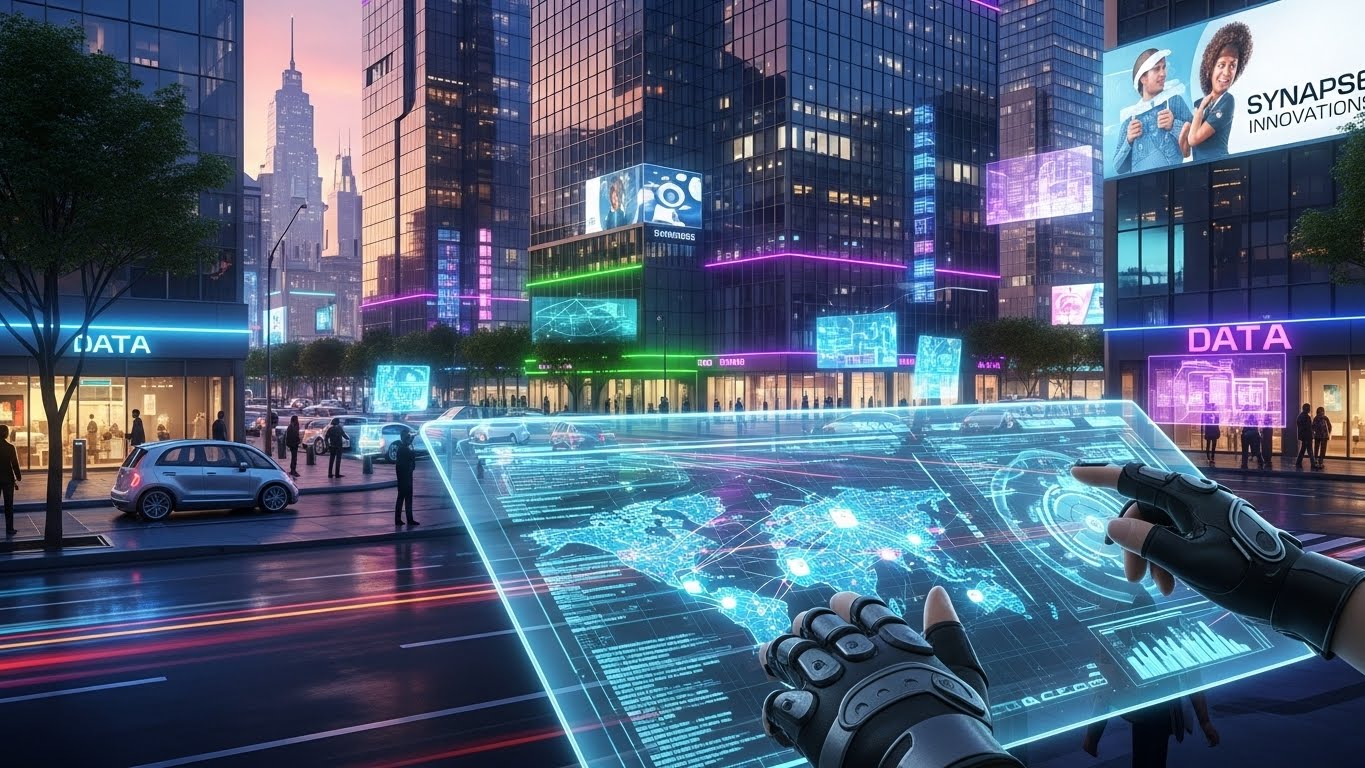
The concept of the Metaverse has been gaining traction in recent years. Essentially, the Metaverse is a virtual world where users can interact with each other and digital environments in real-time, much like in the real world. This virtual universe is still in its infancy, but tech giants like Meta (formerly Facebook) and Microsoft are investing heavily in its development. In the coming years, we could see the Metaverse becoming an integral part of how we live, work, and socialize.
Socializing in the Metaverse
Social interaction in the Metaverse could transform how we connect with others. Instead of simply interacting through text or video calls, we could meet in virtual environments, attending concerts, events, or even dining together in digital spaces. The social aspect of the Metaverse could allow people to connect with others from across the globe in ways that were previously impossible, fostering greater inclusivity and diverse experiences.
Work and Education in the Metaverse
The Metaverse could also revolutionize how we work and learn. Virtual offices and classrooms may replace the traditional in-person spaces, offering more flexibility and accessibility for remote workers and students. Imagine attending a lecture or a team meeting in a fully immersive virtual space, with interactive 3D elements that make learning more engaging. Companies may use the Metaverse for training simulations, allowing employees to practice tasks in a controlled, virtual environment before performing them in the real world.
The Rise of Blockchain and Decentralized Technology
Blockchain, the technology behind cryptocurrencies like Bitcoin, is another area of innovation that is poised to have a significant impact on various sectors. While cryptocurrency has garnered the most attention, blockchain’s potential extends far beyond digital currencies.
Blockchain in Supply Chain Management
One of the most promising applications of blockchain is in supply chain management. Blockchain technology can offer a transparent, secure, and decentralized way to track goods as they move from manufacturers to consumers. By using blockchain, companies can ensure that every step in the supply chain is visible and tamper-proof, reducing fraud and ensuring that products meet quality standards. This is especially important in industries like food safety, pharmaceuticals, and luxury goods.
Blockchain in Voting Systems
Blockchain could also revolutionize the way we vote in elections. By leveraging its decentralized nature, blockchain could provide a secure and transparent voting system, making election fraud a thing of the past. Voter identities could be verified through blockchain technology, ensuring that every vote counts and preventing tampering or manipulation. This could significantly boost trust in the electoral process.
The Internet of Things (IoT): Connecting the World Like Never Before
The Internet of Things (IoT) refers to the network of physical objects — from smart appliances to wearable devices — that are connected to the internet, allowing them to communicate with each other and with users. As IoT devices become more prevalent, they are creating a hyper-connected world.
Smart Homes and IoT
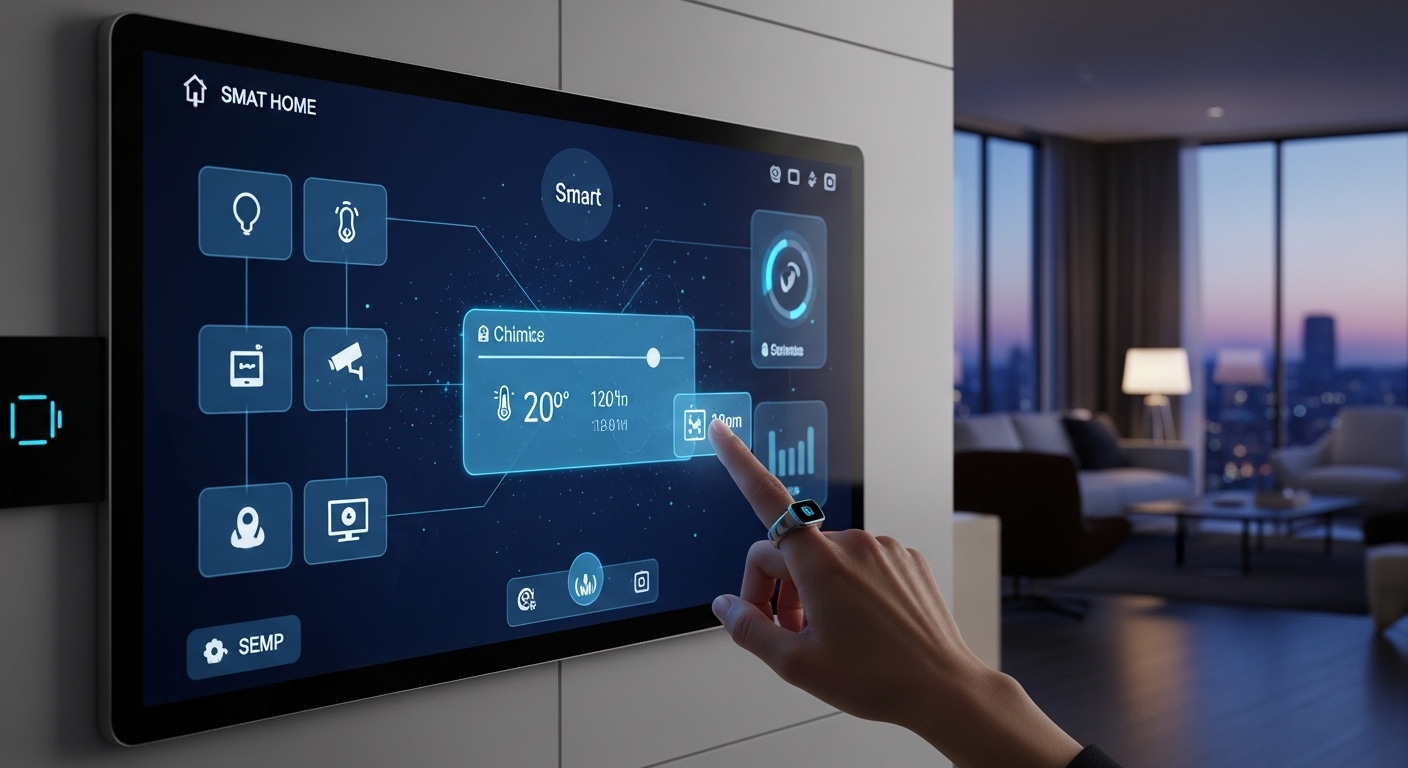
Smart homes are one of the most visible examples of IoT in action. Devices like smart thermostats, lights, and security systems can be controlled remotely through a smartphone or voice assistant. In the future, we can expect homes to become even smarter, with IoT devices working together to optimize energy usage, increase security, and enhance comfort.
IoT in Healthcare and Manufacturing
In healthcare, IoT devices like wearable fitness trackers and smart medical devices are already helping people monitor their health in real time. In manufacturing, IoT sensors can monitor equipment performance, predict maintenance needs, and even optimize supply chains. As IoT devices become more advanced, they will continue to play a crucial role in improving efficiency, reducing costs, and improving quality of life.
The Promise of 5G and Beyond
5G technology is expected to bring faster, more reliable internet connectivity, paving the way for innovations that require high bandwidth and low latency, such as augmented reality (AR), virtual reality (VR), and autonomous vehicles. With 5G, download speeds could be up to 100 times faster than 4G, allowing for seamless streaming of high-definition content and more stable connections for remote work and communication.
5G in Healthcare and Smart Cities
5G’s impact on healthcare could be profound. Doctors could remotely perform surgeries using robotic arms with real-time data and minimal latency. Smart cities could also emerge, with interconnected infrastructure that monitors traffic, air quality, and energy consumption. The potential applications of 5G are vast and could transform urban living and healthcare services.
Conclusion: Embracing the Future of Technology
As we look ahead to the future of technology, it’s clear that we are on the verge of some incredible advancements. From AI to quantum computing, blockchain to the Metaverse, the possibilities are endless. These innovations have the potential to change not only the way we live but also the very fabric of society itself. However, as we embrace these advancements, we must also consider the ethical implications and ensure that technology is used responsibly.
The future is an exciting place, and technology will continue to be the driving force behind the changes we experience. Whether you’re a tech enthusiast or someone simply looking to stay informed, the journey ahead promises to be nothing short of remarkable.