Introduction: Technology as the Engine of Progress
Technology is no longer a simple tool or luxury; it has become the engine driving modern life. Every day, it influences the way we communicate, work, travel, learn, and entertain ourselves. From smartphones to artificial intelligence, cloud computing, and smart devices, technology impacts every facet of human existence. Its rapid growth has transformed societies, created new industries, and redefined how individuals and organizations interact with the world. Understanding technology’s role is crucial for adapting to the future and making informed decisions. This blog explores how technology is shaping life, business, and society, the opportunities it creates, and the challenges it presents.
The Evolution of Technology: From Early Tools to Smart Systems
Human civilization has always been shaped by technology. Early inventions like the wheel, lever, and printing press allowed humans to overcome limitations and perform tasks more efficiently. The industrial revolution mechanized production, fundamentally changing economies and societies. The 20th century introduced computers, telecommunications, and the internet, connecting people globally and making information more accessible than ever. Today, technology has evolved into smart systems capable of learning, analyzing data, and making autonomous decisions. This evolution demonstrates humanity’s relentless pursuit of innovation and its ability to transform tools into complex, intelligent solutions.
The Internet: Revolutionizing Communication and Connectivity
The internet is arguably one of the most transformative technologies in history. It allows instant communication, global collaboration, and limitless access to information. Social media platforms help individuals stay connected and share ideas worldwide. Businesses can reach global audiences and operate efficiently online. Education has been revolutionized with online courses and digital classrooms, offering access to knowledge from anywhere. The internet acts as the backbone of modern society, enabling communication, commerce, and collaboration on a scale previously unimaginable.
Smart Devices: Technology at Your Fingertips
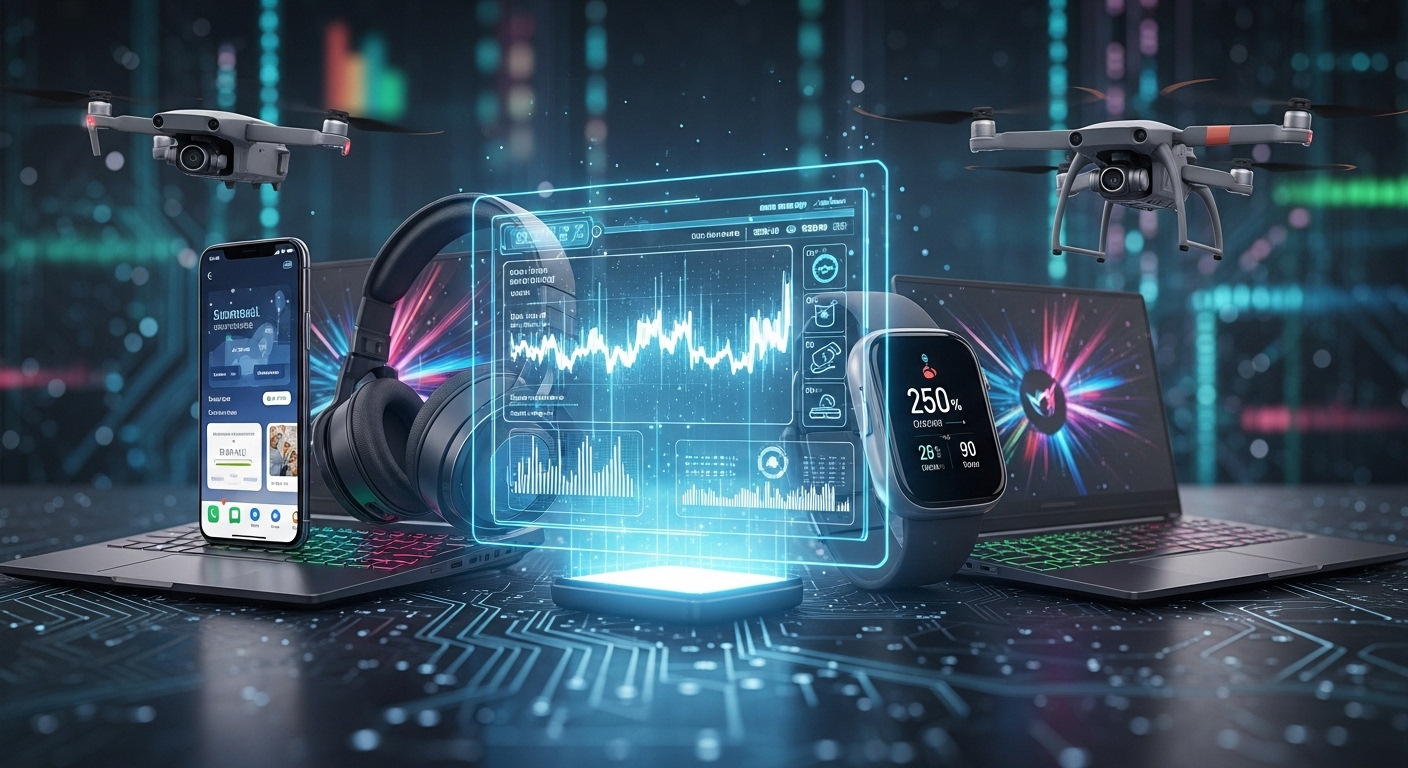
Smart devices have become a part of daily life, making technology more intuitive and accessible. Smartphones serve as communication hubs, entertainment centers, and productivity tools. Smartwatches track health metrics, monitor activity, and provide notifications. Smart home devices control lighting, temperature, and security systems, offering convenience and efficiency. These devices adapt to individual preferences, automate routine tasks, and integrate seamlessly into human routines. By bringing technology directly into our hands and homes, smart devices are redefining how people interact with the digital world.
Artificial Intelligence: Machines That Learn and Adapt
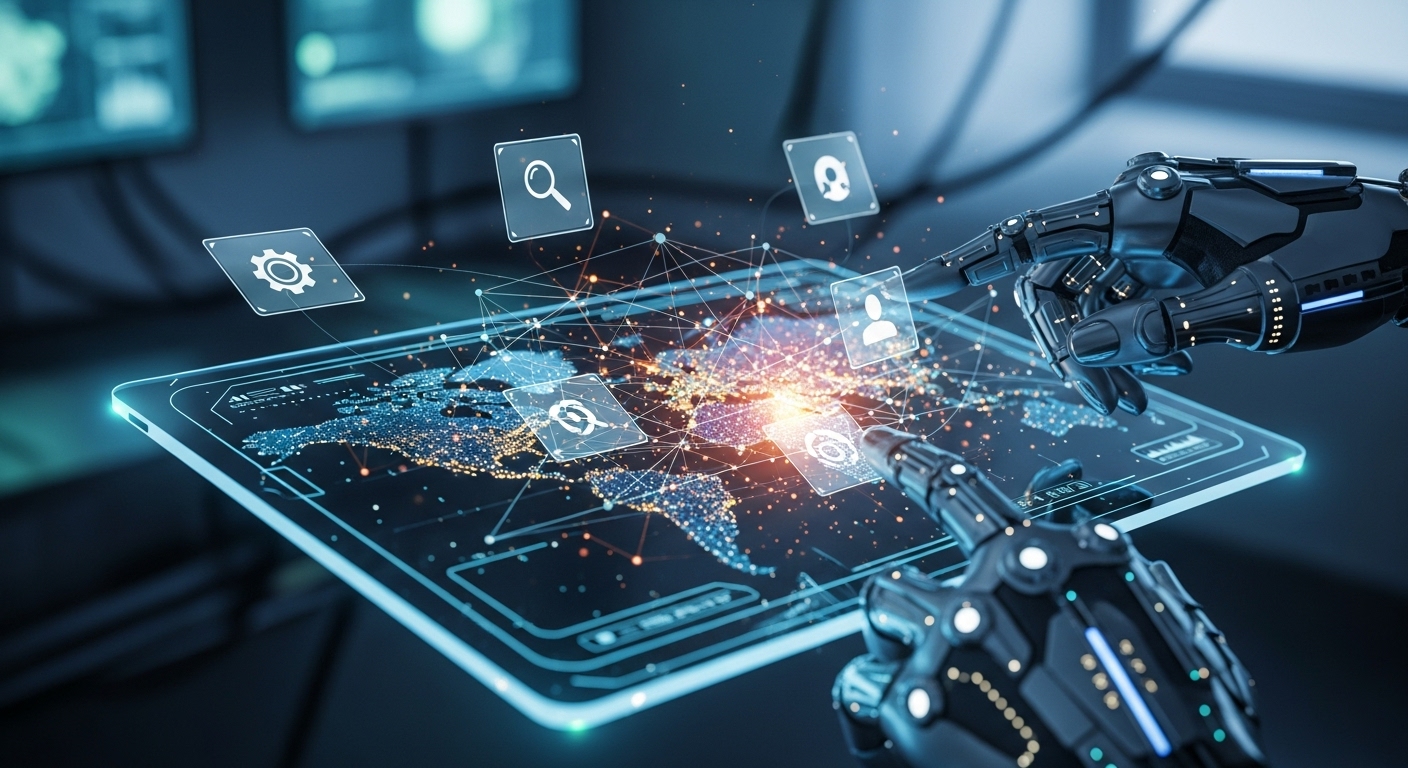
Artificial intelligence (AI) is transforming industries and everyday life. AI systems can process large amounts of data, identify patterns, and make informed decisions. Virtual assistants help manage schedules, chatbots provide customer support, and autonomous vehicles navigate complex environments. In healthcare, AI assists with diagnostics, personalized treatments, and medical research. In business, AI optimizes operations, predicts consumer behavior, and enhances decision-making. AI also powers recommendation systems in entertainment and digital services. Its ability to learn and adapt makes AI a cornerstone of modern technological advancement.
Automation: Redefining Work and Productivity
Automation is changing the way work is performed across industries. In manufacturing, robots assemble products with precision and efficiency. In offices, automated systems handle tasks like data entry, scheduling, and customer service. While automation raises concerns about job displacement, it also creates opportunities in programming, system management, and technology development. By taking over repetitive tasks, automation allows humans to focus on creativity, strategy, and problem-solving. It increases productivity, reduces errors, and drives innovation across multiple sectors.
Cloud Computing: The Backbone of Digital Operations
Cloud computing allows data and applications to be stored and accessed remotely, providing flexibility and scalability. Businesses use cloud platforms for collaboration, data management, and operational efficiency. Educational institutions leverage cloud technology for remote learning and resource sharing. Creative professionals use cloud-based tools to store large files and collaborate seamlessly. Cloud computing enables real-time collaboration, supports innovation, and ensures secure access to information. It has become an essential component of the modern digital ecosystem, powering countless applications and services globally.
Big Data: Transforming Information into Insight
The digital era generates vast amounts of data every second. Big data refers to analyzing these massive datasets to uncover patterns, trends, and actionable insights. Companies use big data to optimize operations, understand customer behavior, and improve products. Governments analyze data for public services, urban planning, and security. Researchers leverage big data for scientific discoveries, climate analysis, and healthcare innovations. By turning raw information into meaningful insights, big data drives smarter decision-making, fuels innovation, and addresses complex societal challenges.
Cybersecurity: Protecting the Digital World
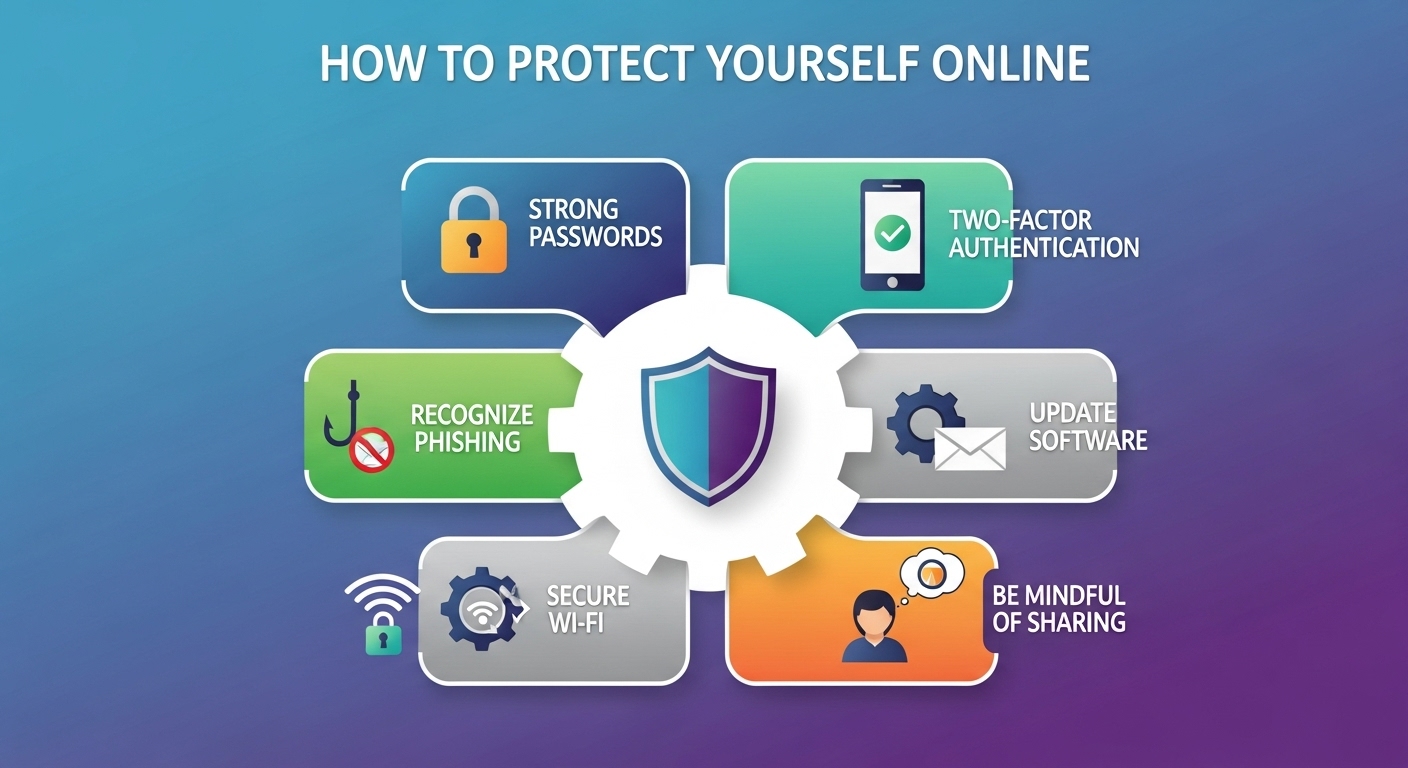
As technology becomes integral to daily life, cybersecurity has become critical. Protecting networks, systems, and data from cyber threats ensures that technology remains safe and reliable. Effective cybersecurity involves encryption, firewalls, secure passwords, and constant monitoring. Organizations invest heavily in safeguarding sensitive information, while individuals must adopt safe online practices. Cybersecurity maintains privacy, trust, and safety in the digital world, ensuring that technological advancements can be utilized without compromising security.
Technology in Education: Redefining Learning
Education has been transformed by technology, making learning interactive, accessible, and personalized. Online courses, digital classrooms, and educational software allow students to learn from anywhere. Simulations and virtual labs enhance understanding of complex topics. Teachers can track progress, provide personalized instruction, and foster collaboration. Technology equips students with critical skills like problem-solving, creativity, and digital literacy, preparing them for careers in an increasingly technology-driven world.
Healthcare Technology: Advancing Medicine and Wellbeing
Healthcare has been revolutionized by technology. Medical devices monitor vital signs, robotic systems assist in surgeries, and telemedicine enables remote consultations. Electronic health records streamline patient management and reduce errors. Wearable devices encourage preventive care by tracking physical activity, sleep, and heart health. AI supports early diagnosis, personalized treatments, and research breakthroughs. Technology enhances healthcare accessibility, efficiency, and quality, ultimately improving patient outcomes and overall wellbeing.
The Future of Work: Adapting to a Digital Landscape
Technology is transforming workplaces worldwide. Remote work has become feasible due to cloud computing, collaboration tools, and communication platforms. Automation handles repetitive tasks, allowing employees to focus on strategic, creative, and analytical work. Digital literacy and adaptability are essential skills for success in modern careers. The future workplace will blend human creativity with machine efficiency, creating dynamic, flexible, and innovative work environments. Technology-driven workplaces foster collaboration, productivity, and global connectivity.
Sustainable Technology: Innovation for a Greener Planet
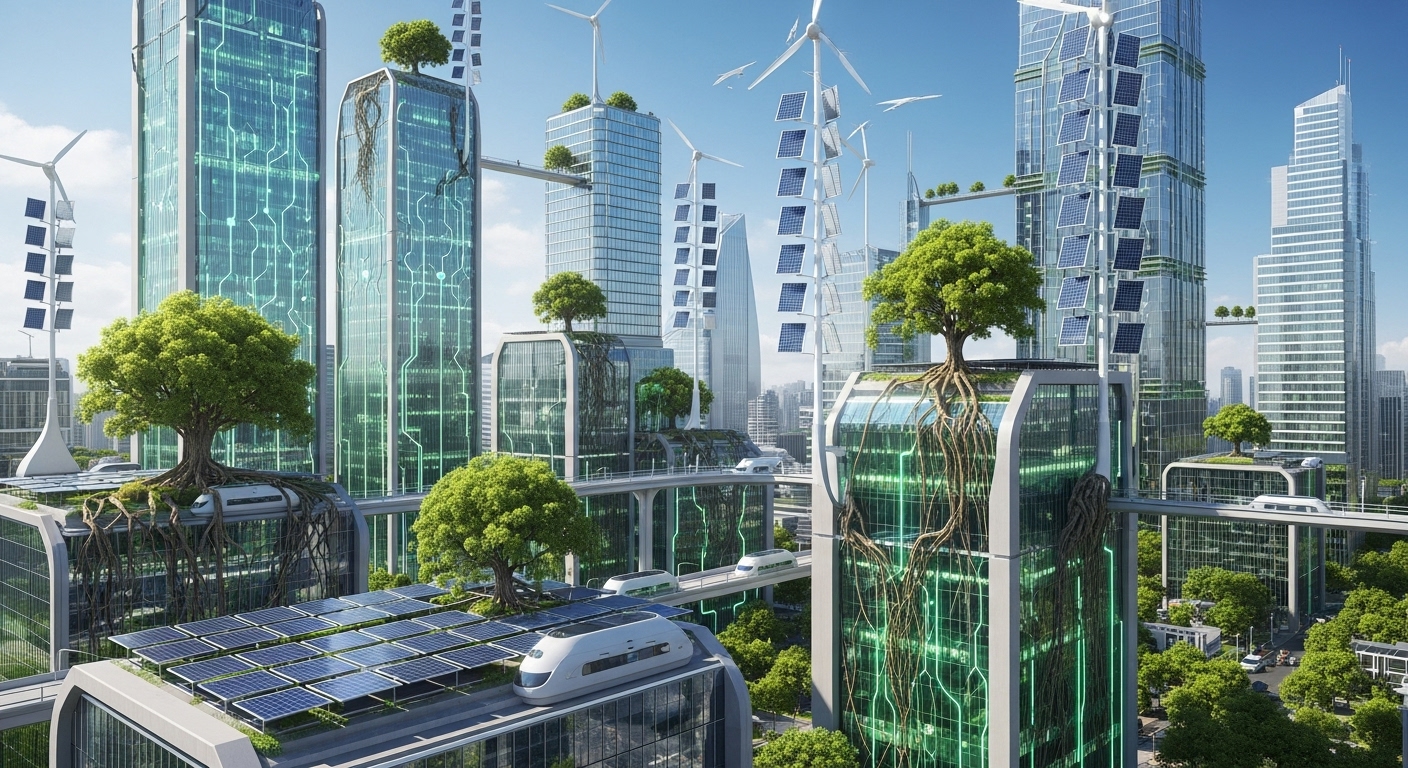
Sustainable technology seeks to minimize environmental impact while fostering innovation. Renewable energy sources like solar, wind, and hydropower reduce reliance on fossil fuels. Electric vehicles lower carbon emissions, and smart grids optimize energy usage. Recycling technologies convert waste into usable materials, while environmental monitoring systems track climate changes and natural resource usage. Sustainable technology demonstrates that progress and ecological responsibility can coexist, creating solutions that benefit both people and the planet.
Challenges and Ethical Considerations
Despite its many benefits, technology comes with challenges. Privacy concerns, digital addiction, misinformation, and social isolation are significant issues. Ethical questions arise around AI decision-making, data collection, and automation’s effect on employment. Responsible development, regulation, and digital literacy are essential to ensure that technology is used ethically. Addressing these challenges allows society to maximize the benefits of technology while minimizing risks and unintended consequences.
Conclusion: Embracing the Technological Future
Technology is shaping the present and defining the future. From artificial intelligence and cloud computing to smart devices and big data, it impacts nearly every aspect of human life. It enhances productivity, improves healthcare, connects people globally, and drives innovation. While challenges and ethical considerations exist, responsible adoption ensures that technology benefits society. By embracing technological advancements with awareness and adaptability, humanity can create a smarter, more efficient, and more connected world. Technology is not just a tool—it is the foundation upon which the future is being built, offering endless opportunities for growth, innovation, and transformation.