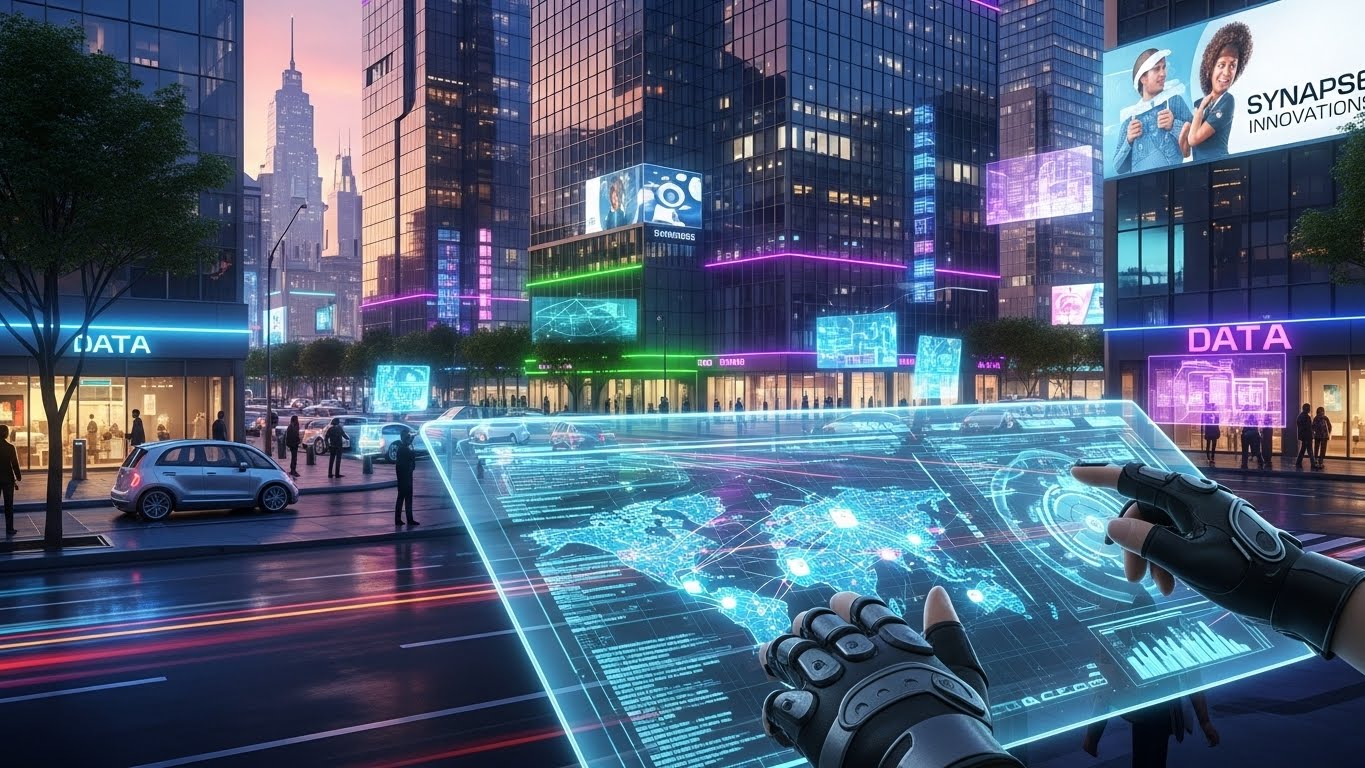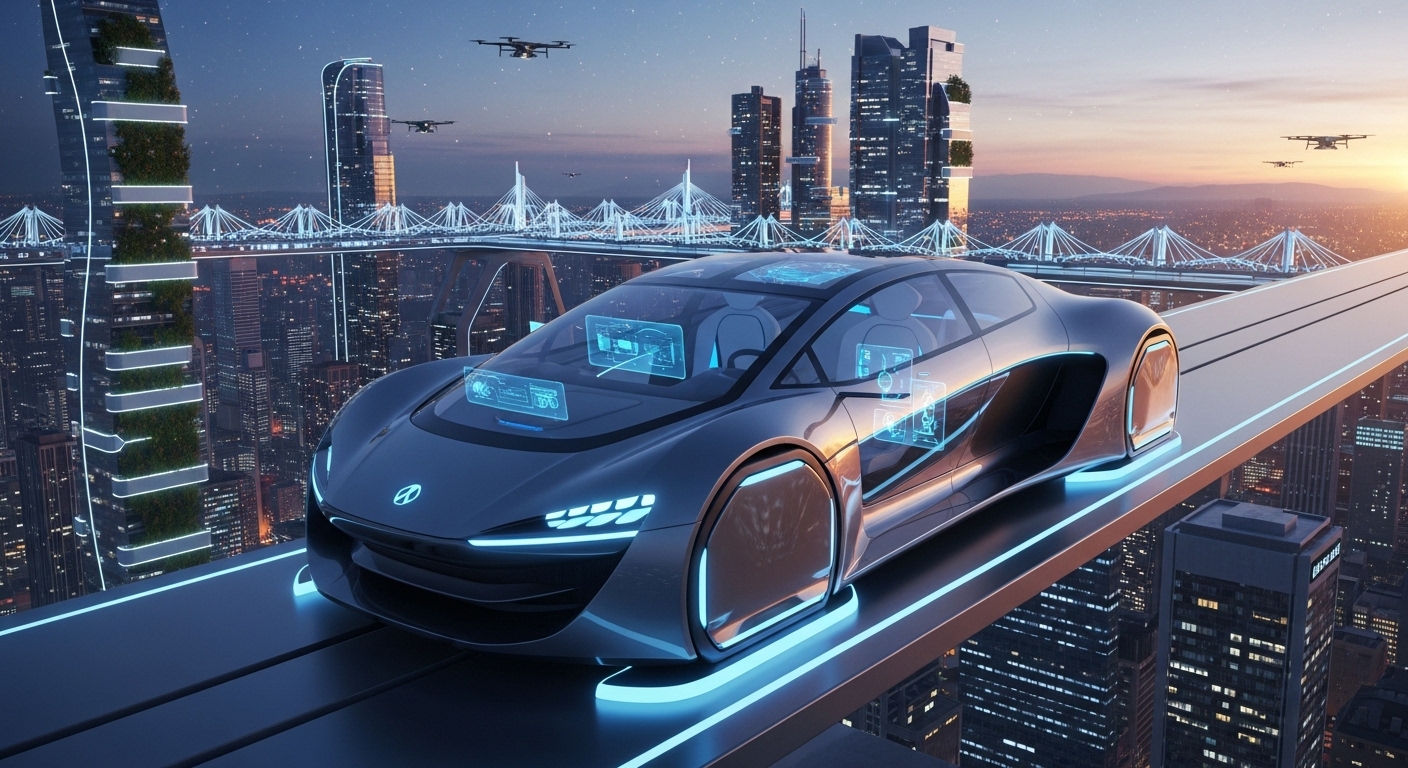
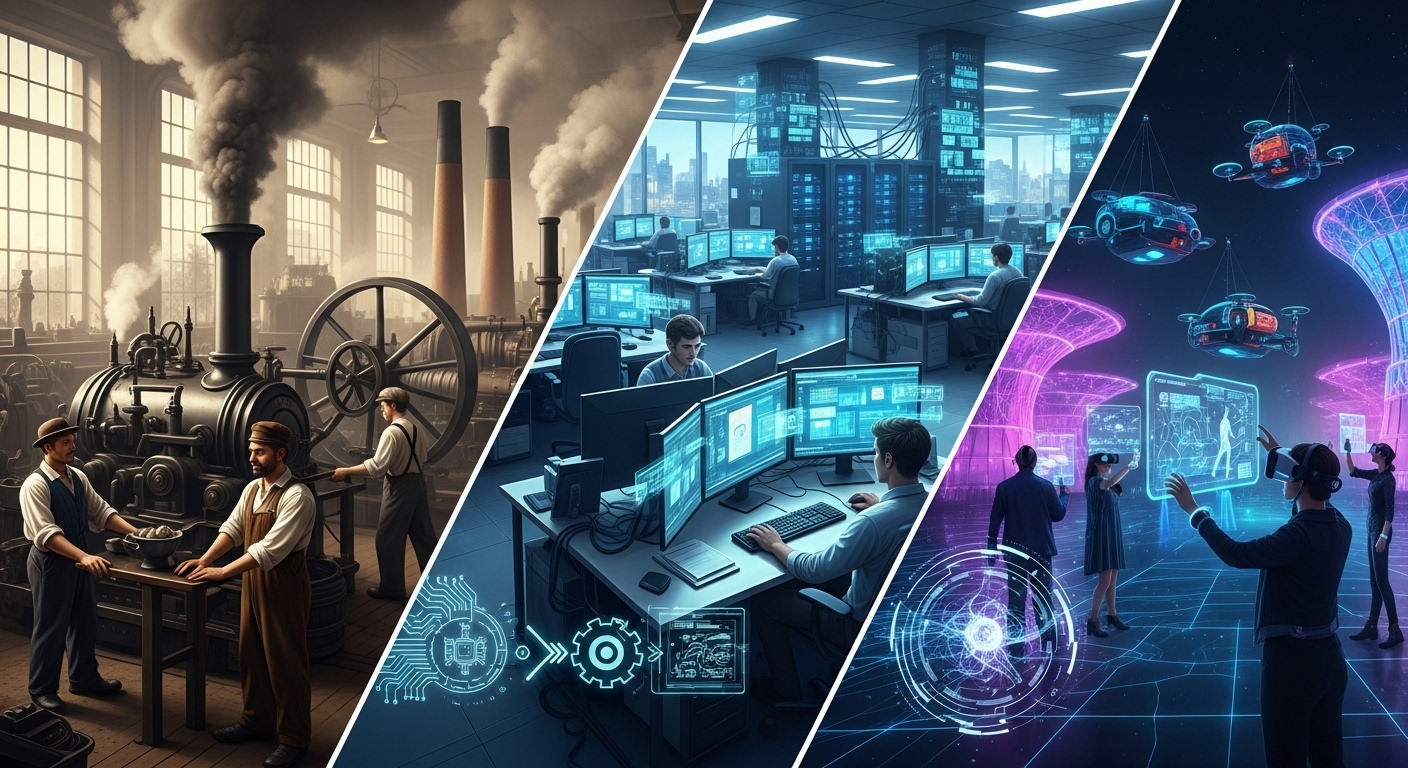
Technology has always been the beating heart of human progress. From the discovery of fire to the age of artificial intelligence, every era of civilization has been defined by the tools and systems people have created to make life easier, faster, and more connected. Today, we live in a world that feels almost futuristic compared to just a few decades ago. Our phones are more powerful than the computers that once sent humans to the moon. Cars can drive themselves, robots can perform surgeries, and digital platforms have turned communication into an instant experience. But this remarkable journey did not happen overnight. The story of technology is one of curiosity, creativity, struggle, and relentless pursuit of improvement.
The Birth of the Digital Age
The late twentieth century marked the dawn of the digital revolution. In the decades leading up to the 2000s, technology shifted from industrial machines to digital systems. Computers, once enormous devices that filled entire rooms, began to shrink in size and grow in power. By the early 1990s, personal computers had entered homes and offices, creating new possibilities for education, entertainment, and business. The introduction of the internet changed everything. For the first time in human history, people could access vast amounts of information without stepping outside their homes. Email replaced traditional mail, and websites became virtual storefronts, newsrooms, and meeting spaces. This was the foundation upon which the modern technological era was built.
The Rise of Mobile Technology
As the new millennium began, mobile technology started to dominate the landscape. The mobile phone, once a bulky device used solely for calls, transformed into a multi-functional digital companion. The early 2000s saw the rise of text messaging and the first mobile internet services. Then came smartphones, which revolutionized the way people interacted with technology. The introduction of touchscreens, mobile apps, and portable computing turned phones into essential tools for daily life. Navigation, photography, music, and communication all converged into one device. Mobile technology reshaped how we work, travel, and socialize, creating a new culture centered around convenience and connectivity.
The Internet Becomes a Global Force
The expansion of the internet was perhaps the most transformative phenomenon of the early 21st century. As broadband connections became faster and more affordable, the internet evolved from a static information repository into an interactive global ecosystem. Social media platforms emerged, enabling people to share their lives, opinions, and creativity with the world. Businesses shifted online, and e-commerce changed the retail industry forever. News spread faster, entertainment became digital, and entire communities formed in virtual spaces. The internet not only connected people but also democratized access to knowledge, empowering individuals to learn, create, and collaborate on a global scale.
The Era of Social Media
Social media became one of the defining features of modern technology. What started as a way to connect with friends and family evolved into a massive cultural and economic force. Platforms encouraged the sharing of photos, thoughts, and videos, giving everyone a voice and a platform to reach others. Influencers emerged as new types of celebrities, brands found new ways to market themselves, and activism found a digital stage. However, the rise of social media also brought challenges. Issues of privacy, misinformation, and mental health became pressing concerns. Despite these, social media continues to evolve, shaping politics, culture, and identity in profound ways.
The Cloud Revolution
One of the most significant technological shifts in recent years has been the rise of cloud computing. Before the cloud, data storage and software were tied to physical devices. The cloud changed that completely. It allowed data and applications to exist virtually, accessible from anywhere in the world. This shift revolutionized both personal and professional computing. Businesses could scale their operations without massive infrastructure costs, and individuals could back up their photos, documents, and media without worrying about storage limits. The cloud made collaboration seamless, enabling people in different parts of the world to work together in real time. It also laid the groundwork for the next wave of technologies, including artificial intelligence and the Internet of Things.
Artificial Intelligence: The Next Frontier
Artificial intelligence, once a concept of science fiction, is now a driving force behind modern innovation. AI refers to the ability of machines to mimic human intelligence — to learn, reason, and make decisions. From virtual assistants that understand natural language to algorithms that predict shopping habits, AI has become deeply integrated into everyday life. It powers recommendation systems, autonomous vehicles, medical diagnostics, and even creative tools. The rise of machine learning, a subset of AI, has enabled computers to learn from data and improve over time without explicit programming. This has opened the door to unprecedented advancements in automation, efficiency, and problem-solving.
However, AI also raises important ethical questions. As machines become smarter, society must address concerns about privacy, employment, and bias. The challenge is to harness the potential of AI responsibly, ensuring it serves humanity rather than replacing it.
The Internet of Things and Smart Living
The Internet of Things, or IoT, represents another technological leap forward. It refers to the network of physical devices connected to the internet, capable of collecting and sharing data. Smart thermostats, wearable fitness trackers, connected appliances, and even smart cities all operate on IoT principles. These technologies make daily life more efficient and responsive. For example, smart homes can adjust lighting and temperature automatically, while wearable devices monitor health metrics in real time. In industries, IoT enables predictive maintenance, improving safety and reducing costs. The integration of sensors, connectivity, and analytics is redefining how humans interact with their environment.
The Digital Economy and Remote Work
Technology has not only transformed how people live but also how they work. The digital economy thrives on innovation, speed, and flexibility. The rise of remote work, especially after global events such as the pandemic, demonstrated the power of technology to sustain productivity even when traditional offices were closed. Video conferencing, project management platforms, and cloud collaboration tools allowed millions to continue working seamlessly from home. This shift also gave rise to new work cultures and economic models. Freelancing, gig work, and digital entrepreneurship flourished as individuals found new ways to earn and innovate through technology.
The Transformation of Education
Education has perhaps benefited more from technology than any other field. The traditional classroom has expanded into a virtual space where learning is accessible to anyone, anywhere. Online courses, digital textbooks, and interactive learning platforms have made education more flexible and personalized. Students can learn at their own pace, using resources that cater to their learning style. Teachers can use data to track progress and adapt their methods. In developing regions, technology has bridged gaps in education by providing access to materials and teachers that were previously out of reach. However, this transformation also requires digital literacy and access, reminding us that technology can only empower if it is inclusive.
Healthcare and Biotechnology Advances
Healthcare has undergone a profound technological transformation as well. From electronic medical records to advanced diagnostic machines, technology has made medicine more accurate, efficient, and accessible. Telemedicine allows doctors to consult patients remotely, breaking geographical barriers. Wearable health monitors track vital signs, providing early warnings of potential health issues. Biotechnology innovations such as gene editing and personalized medicine are revolutionizing treatment and research. Artificial intelligence is assisting in drug discovery, analyzing massive datasets faster than human researchers ever could. These advancements have improved life expectancy, reduced errors, and empowered patients to take charge of their health.
The Environmental Impact of Technology
While technology has brought progress, it has also contributed to environmental challenges. The production and disposal of electronic devices, energy consumption of data centers, and industrial automation have ecological costs. Yet, technology is also part of the solution. Renewable energy systems, smart grids, and sustainable materials are examples of innovations designed to reduce the environmental footprint. Advances in electric vehicles, energy-efficient architecture, and green manufacturing are reshaping industries toward sustainability. The fusion of technology and environmental awareness is critical for building a future that is both advanced and ecologically responsible.
Cybersecurity and Data Privacy
As our lives become more digital, protecting information has become one of the greatest challenges of the modern age. Cybersecurity has evolved into a vital field dedicated to defending systems from hackers, malware, and breaches. With so much personal and financial data online, the stakes are higher than ever. Governments, businesses, and individuals must constantly adapt to new threats. Encryption, authentication, and AI-powered threat detection are now standard tools in the digital defense arsenal. However, data privacy remains a complex issue. Balancing convenience with security requires transparency, ethical data practices, and awareness from all users. The digital world can only thrive if trust is maintained.
The Rise of Robotics and Automation
Automation has been transforming industries for decades, but modern robotics has taken it to an entirely new level. Robots are no longer confined to manufacturing lines; they now assist in healthcare, logistics, agriculture, and even personal care. Automation improves efficiency, reduces human error, and can handle tasks that are dangerous or repetitive. In warehouses, robots move products with precision. In hospitals, robotic arms assist surgeons in delicate procedures. In agriculture, drones monitor crops and deliver fertilizers. The combination of robotics, AI, and data analytics is creating a new industrial revolution. However, it also raises concerns about job displacement, making it important for societies to focus on reskilling and adapting to new economic realities.
The Power of Big Data
Data has become one of the most valuable resources of the modern world. Every click, purchase, and interaction generates information that can be analyzed for insights. Big data analytics enables organizations to understand behavior, predict trends, and make informed decisions. In business, it drives marketing strategies and product development. In science, it accelerates discoveries. In government, it can improve policy-making and resource allocation. However, with great power comes responsibility. Data must be managed ethically to prevent misuse and ensure privacy. When used correctly, big data can drive progress across every sector.
Virtual and Augmented Reality: Expanding Human Experience
Virtual reality and augmented reality technologies have opened new dimensions of human experience. Virtual reality creates fully immersive digital worlds, while augmented reality overlays digital information onto the physical environment. These technologies are not just for gaming; they are transforming education, training, medicine, and design. Students can explore historical sites virtually, doctors can practice surgeries in simulated environments, and architects can visualize buildings before construction. The ability to blend digital and physical realities is redefining creativity, collaboration, and entertainment.
Space Technology and the Final Frontier
Humanity’s technological journey has always looked to the stars. Space technology represents the pinnacle of innovation, requiring precision, endurance, and imagination. Recent decades have seen a resurgence of interest in space exploration, with new missions, private companies, and advancements in rocketry. Satellites provide communication, navigation, and climate data that sustain modern life on Earth. Efforts to explore Mars, develop reusable rockets, and build space habitats represent humanity’s enduring quest for discovery. Space technology also drives innovation on Earth, leading to breakthroughs in materials science, communication systems, and robotics.
The Future of Technology: A Vision of Tomorrow
The pace of technological change shows no sign of slowing down. Emerging fields such as quantum computing, biotechnology, and advanced AI are poised to redefine the limits of what is possible. Quantum computers could solve problems beyond the reach of classical systems, transforming industries from finance to medicine. Biotechnology may unlock cures for diseases and extend human longevity. Artificial general intelligence could reshape the relationship between humans and machines entirely. Yet, the future of technology is not just about progress; it is about direction. How societies choose to use these tools will determine whether technology becomes a force for empowerment or division.
Ethics and Humanity in the Age of Innovation
As technology grows more powerful, ethical questions become increasingly urgent. Who controls the data that defines us? How do we ensure that AI systems are fair and unbiased? What happens when automation replaces jobs faster than economies can adapt? These questions highlight the need for a human-centered approach to innovation. Technology should enhance human potential, not diminish it. Governments, corporations, and individuals must work together to ensure that technological progress aligns with values such as equality, privacy, and sustainability. The true measure of technological success is not just efficiency or profit but the well-being of people and the planet.
Conclusion: The Human Spirit Behind Every Machine
Technology is not merely a collection of tools and systems; it is a reflection of human imagination and perseverance. Every invention, from the wheel to the smartphone, began with a question — how can we make life better? The story of technology is ultimately the story of humanity itself: creative, curious, and constantly striving for improvement. As we look ahead, the challenge is not just to build more advanced machines but to use them wisely, ensuring that innovation continues to serve humanity’s highest ideals. The future will be shaped not only by the technologies we create but by the wisdom with which we use them.