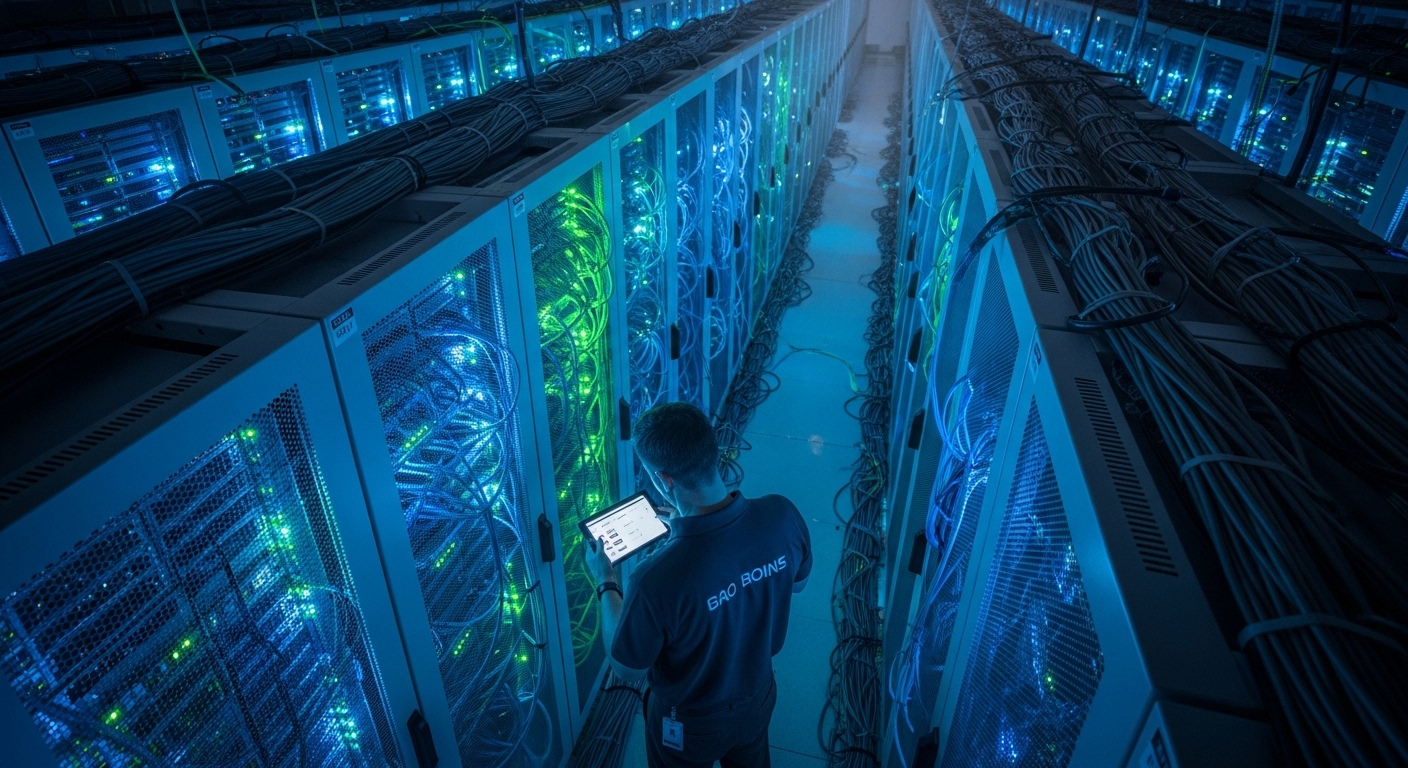

Technology has become the heartbeat of modern civilization. From how we communicate to how we work, learn, and entertain ourselves, technology shapes every corner of human life. It is no longer just a tool but a force that drives innovation, connects communities, and defines the future of our society.
The Evolution of Modern Technology
Technology has evolved rapidly over the past few decades. The early days of bulky computers and limited internet access have given way to a digital world powered by artificial intelligence, automation, and smart devices. What was once considered futuristic is now a part of our daily lives. The evolution of technology continues to blur the lines between the physical and digital worlds, transforming how people live and interact.
Technology in Everyday Life
In today’s world, it is nearly impossible to imagine life without technology. Smartphones keep us connected, smart homes provide convenience, and wearable devices monitor our health and fitness. Education has been revolutionized by online learning platforms, while digital payment systems make transactions easier and faster. Technology simplifies daily life and empowers individuals to achieve more with less effort and time.
The Rise of Artificial Intelligence
Artificial intelligence, often referred to as AI, is one of the most groundbreaking innovations of this era. It allows machines to learn, analyze, and make decisions, often outperforming human capabilities in certain areas. AI is present in everything from voice assistants and chatbots to autonomous cars and predictive healthcare systems. It is transforming industries, enhancing efficiency, and opening up endless possibilities for the future.
Communication in the Digital Age
Technology has completely redefined how people communicate. Gone are the days of handwritten letters and long-distance calls. Today, instant messaging, video conferencing, and social platforms connect individuals across continents in real time. This digital transformation has made communication faster and more inclusive, bringing people closer despite geographical boundaries. However, it also challenges us to balance virtual connections with real-world interactions.
Technology and the Future of Work
The workplace has experienced a massive shift due to technological advancements. Automation and digital tools have streamlined processes, improving productivity and accuracy. Remote work, made possible by high-speed internet and cloud computing, allows professionals to collaborate globally. As industries continue to adopt digital systems, employees must adapt by learning new technological skills to remain competitive in the evolving job market.
The Role of Technology in Education
Education has benefited immensely from technology. Interactive learning platforms, virtual classrooms, and online resources have made education more accessible and engaging. Students can now learn at their own pace, explore diverse subjects, and connect with educators worldwide. Technology has broken traditional barriers, ensuring that knowledge is available to anyone, anywhere.
Sustainable Technology and Innovation
Technology is also playing a vital role in promoting sustainability. From renewable energy solutions to smart cities and electric vehicles, innovation is helping reduce environmental impact. Researchers and companies are focusing on developing eco-friendly technologies that support a healthier planet. The future of technology lies in balancing progress with sustainability to ensure long-term benefits for both people and nature.
Conclusion
Technology is the foundation of modern progress. It enhances our abilities, connects our world, and shapes the way we live. As it continues to evolve, technology holds the power to solve global challenges and improve quality of life. The key lies in using it wisely, responsibly, and creatively. The digital pulse of technology will continue to guide humanity toward a more advanced, sustainable, and connected future.