
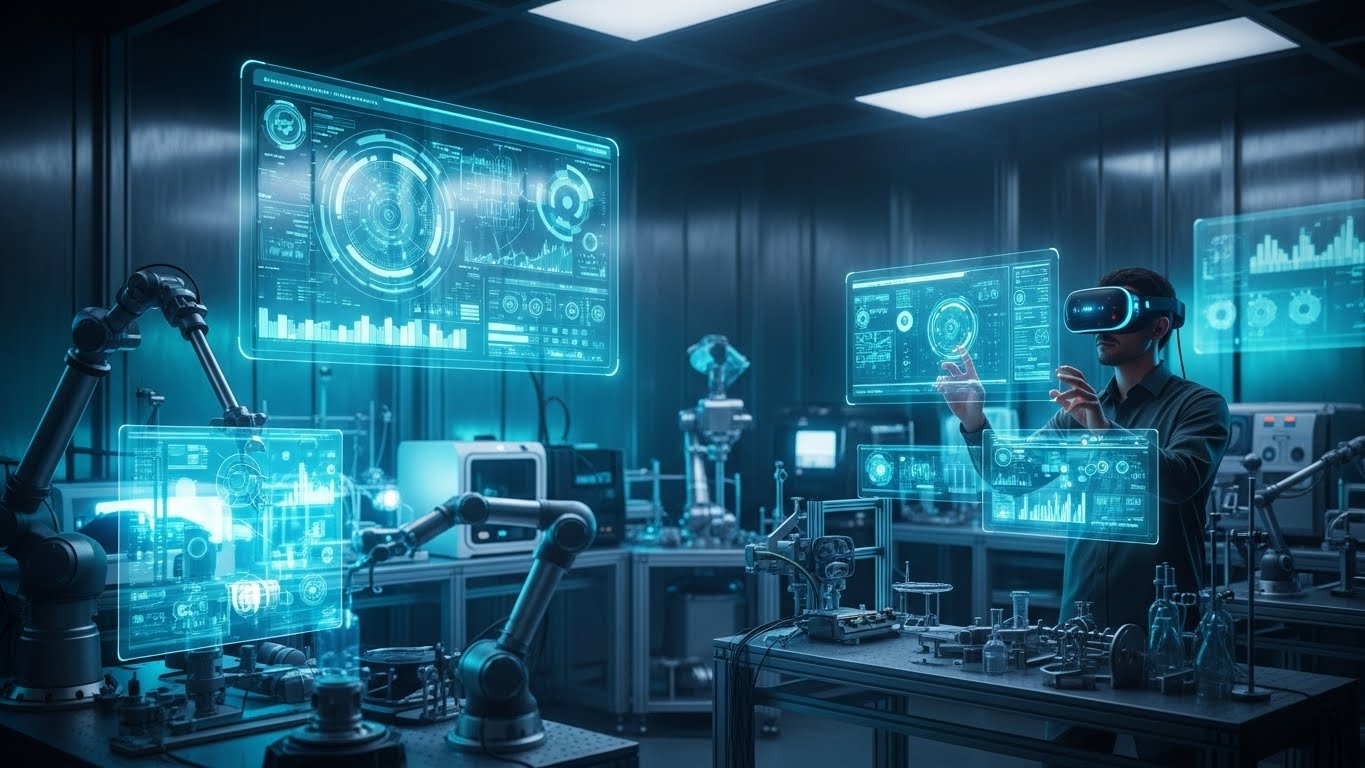
Technology is no longer just a tool; it has become the fabric of modern society. From the way we communicate to how we work, travel, and even think, technology shapes our daily lives in ways that were unimaginable just a few decades ago. The pace of technological advancement is accelerating, creating opportunities, challenges, and dilemmas that touch every aspect of human life. This post explores the current trends, innovations, and implications of technology in today’s world and looks ahead to what the future might hold.
The Rise of Artificial Intelligence
Artificial Intelligence (AI) has transformed from a niche scientific curiosity into a mainstream technology with tangible applications across industries. AI systems can now perform complex tasks such as analyzing massive datasets, recognizing patterns, generating natural language content, and even creating art and music. In healthcare, AI algorithms assist doctors in diagnosing diseases with higher accuracy and speed, leading to more efficient treatments. In finance, AI helps detect fraudulent activities in real time and optimize investment strategies. The integration of AI into daily life is reshaping workplaces, education, and consumer behavior.
One of the most remarkable aspects of AI is its ability to learn and improve over time. Machine learning models, a subset of AI, can analyze historical data and predict outcomes, enabling smarter decision-making in industries ranging from logistics to entertainment. While the possibilities are exciting, ethical questions about AI’s influence on privacy, job displacement, and decision-making processes are gaining prominence. Balancing innovation with responsibility is becoming a central challenge for technology leaders worldwide.
The Expansion of the Internet of Things
The Internet of Things (IoT) represents another frontier of technological evolution. IoT refers to the network of interconnected devices that communicate and exchange data without human intervention. Smart homes, wearable fitness trackers, connected cars, and industrial automation systems exemplify the growing presence of IoT in our lives. The primary advantage of IoT lies in its ability to provide real-time data and analytics, which allows individuals and businesses to make better-informed decisions.
For instance, smart thermostats in homes learn user preferences to optimize energy usage, reducing both costs and environmental impact. In manufacturing, IoT sensors track machinery performance to prevent downtime and extend equipment lifespan. Cities are also leveraging IoT to improve public services through smart traffic management, efficient waste collection, and enhanced public safety systems. The widespread adoption of IoT brings efficiency and convenience, but it also raises concerns about cybersecurity and data privacy. Ensuring secure communication between billions of connected devices remains one of the most pressing challenges in this field.
The Transformation of Work with Technology
The workplace is undergoing a profound transformation driven by technological innovation. Remote work, collaborative platforms, and cloud computing have revolutionized how teams operate. The global workforce now has the flexibility to work from anywhere, making geographical boundaries increasingly irrelevant. Digital communication tools facilitate collaboration, while cloud-based software allows employees to access information and applications without relying on local infrastructure.
Automation is another major driver of change in the workplace. Repetitive tasks are increasingly performed by robots and AI systems, freeing human employees to focus on creative and strategic work. While this boosts productivity, it also requires a workforce that can adapt to new roles and acquire digital skills continuously. Upskilling and lifelong learning have become essential for career resilience in the era of automation.
5G and the Era of Connectivity
Connectivity lies at the heart of technological progress, and the rollout of 5G networks represents a paradigm shift. With faster speeds, lower latency, and higher capacity, 5G is set to enable innovations that were previously constrained by network limitations. From autonomous vehicles to virtual reality experiences, 5G will accelerate applications that require real-time data transmission.
For businesses, 5G opens doors to advanced supply chain management, remote medical procedures, and immersive training programs. Consumers will enjoy seamless streaming, instant downloads, and smarter home devices. The deployment of 5G also has implications for social inclusion, as it can expand access to education and services in remote or underserved areas. However, the infrastructure requirements and regulatory hurdles pose challenges that governments and corporations must address to realize the full potential of this technology.
Blockchain Beyond Cryptocurrency
While blockchain technology gained fame as the backbone of cryptocurrencies, its applications extend far beyond digital money. At its core, blockchain is a decentralized and immutable ledger system that enhances transparency and security. Industries such as supply chain management, healthcare, and voting systems are exploring blockchain to verify transactions, track assets, and prevent fraud.
In supply chains, blockchain allows consumers to trace the journey of products from origin to shelf, enhancing accountability and sustainability. In healthcare, patient records can be securely stored and shared, reducing administrative inefficiencies and safeguarding sensitive information. Even in creative industries, blockchain is empowering artists by enabling digital ownership and rights management through unique digital tokens. Despite its promise, blockchain faces scalability and energy consumption challenges that require innovative solutions for broader adoption.
The Ethics of Emerging Technology
As technology evolves, ethical considerations are becoming increasingly critical. AI biases, surveillance, data privacy, and misinformation are just a few of the ethical dilemmas that society must confront. Technology amplifies human decisions, meaning that errors or biases can have far-reaching consequences. For example, biased algorithms in recruitment software can unfairly disadvantage certain groups, while social media platforms can unintentionally propagate false information at scale.
Addressing these ethical challenges requires a combination of technical solutions, regulatory frameworks, and societal awareness. Developers must prioritize fairness, accountability, and transparency in designing systems. Policymakers need to implement guidelines that protect individuals without stifling innovation. Education plays a role in helping users understand the implications of the technologies they adopt. Ethical technology is not just a moral responsibility; it is crucial for building trust and ensuring sustainable progress.
Sustainability in Tech Development
Technology has the potential to drive sustainability, but it also presents environmental challenges. Data centers, electronic waste, and energy-intensive algorithms contribute to a growing carbon footprint. At the same time, technology offers tools to mitigate environmental impact through smart energy grids, precision agriculture, and efficient logistics.
Companies are increasingly investing in green technology initiatives to reduce emissions, enhance resource efficiency, and promote circular economies. Consumers are also becoming more conscious of the environmental impact of their devices, leading to a demand for eco-friendly products. Sustainability and innovation are no longer separate pursuits; they are interdependent goals that define the trajectory of modern technology.
The Human Factor in Technological Advancement
Despite the emphasis on AI, automation, and digital transformation, humans remain at the center of technological progress. Creativity, empathy, judgment, and ethical reasoning are qualities that machines cannot replicate. Technology is most effective when it augments human capabilities rather than replaces them.
Education and skill development are crucial for preparing the next generation to navigate the complexities of a tech-driven world. Interdisciplinary learning that combines technical knowledge with critical thinking, ethics, and creativity will empower individuals to leverage technology responsibly. Technology is a tool, but humans remain the architects of its purpose and impact.
Looking Ahead: The Future of Technology
The trajectory of technology points toward a future that is more connected, intelligent, and immersive. Quantum computing, advanced robotics, bioengineering, and augmented reality are poised to redefine possibilities. Each innovation brings both opportunities and responsibilities. The challenge lies in harnessing technology to improve lives while mitigating risks related to security, inequality, and ethical dilemmas.
Collaboration between governments, businesses, academic institutions, and civil society will be essential for shaping a future that benefits humanity as a whole. By aligning technological innovation with human values and societal needs, we can ensure that the digital revolution is inclusive, sustainable, and empowering.
Conclusion
Technology is more than a set of tools; it is a transformative force that shapes the world we live in. From AI and IoT to 5G and blockchain, innovations continue to redefine industries, lifestyles, and societal norms. As we embrace the possibilities of the digital age, it is essential to remain mindful of ethical, environmental, and human-centered considerations. The future of technology is not predetermined—it is created by the choices we make today. By fostering responsible innovation, promoting sustainability, and prioritizing human values, we can navigate the digital revolution with confidence and purpose.
In this rapidly evolving landscape, staying informed, adaptable, and curious is the key to thriving in the era of technology. The digital revolution is not coming—it is already here, and it is up to us to shape it wisely.