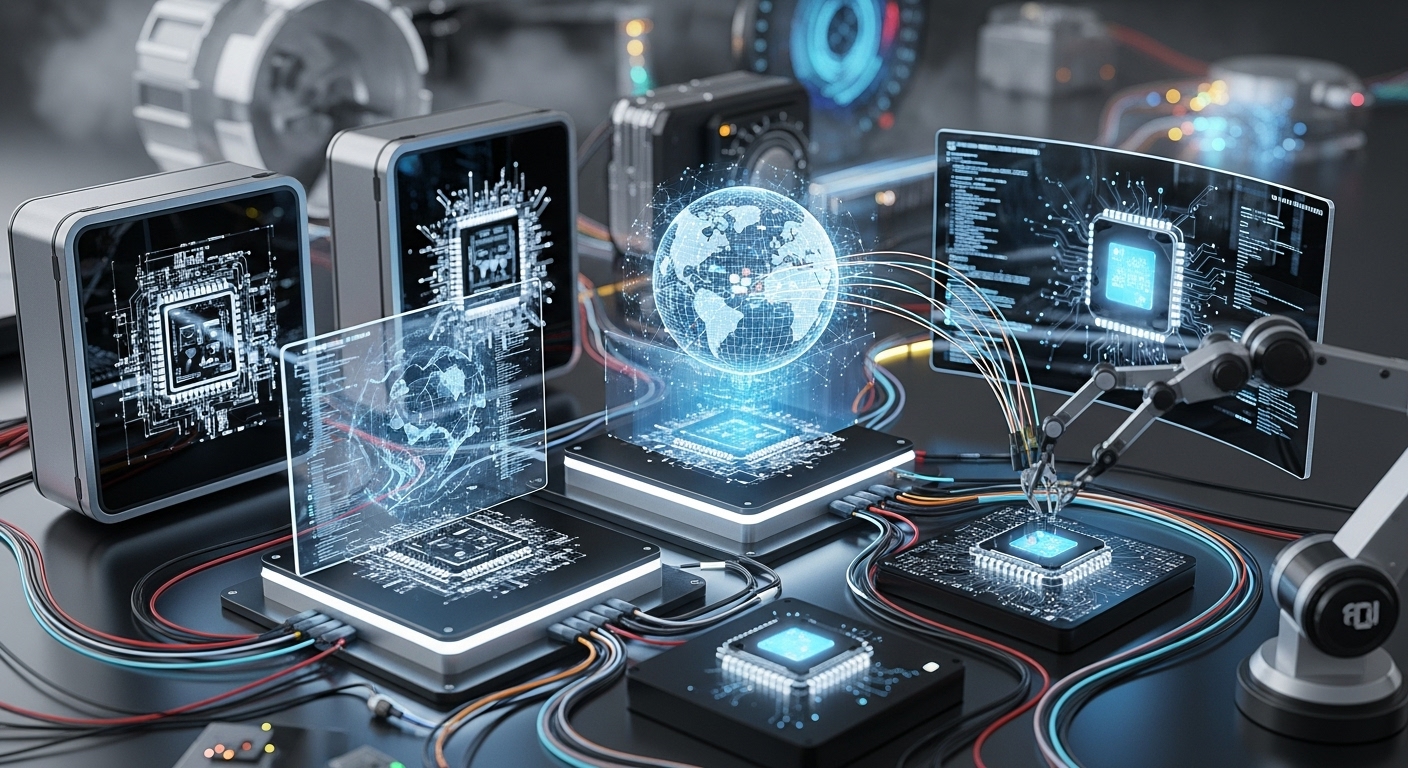
Technology is no longer just a tool; it has become the driving force behind modern life. From the way we communicate and work to how we entertain ourselves and explore the universe, technology permeates every aspect of human existence. Its rapid evolution continues to redefine industries, transform societies, and challenge the way we think about the future. In this blog, we explore the profound impact of technology on our lives, its role in shaping society, and the possibilities that lie ahead.
The Evolution of Technology
Technology has evolved at an unprecedented pace. From the invention of the wheel and the printing press to the rise of computers and the internet, each advancement has revolutionized the way humans live and interact. The digital age, in particular, has brought about transformative changes that were unimaginable just a few decades ago.
The 20th century saw monumental breakthroughs in electronics, computing, and telecommunications. The invention of the personal computer, the development of the internet, and the advent of mobile technology laid the foundation for a connected world. Today, artificial intelligence, quantum computing, and biotechnology are pushing the boundaries even further, opening new frontiers in science, business, and daily life.
Technology and Communication
One of the most visible impacts of technology is in the realm of communication. Social media, instant messaging, and video conferencing have made it possible for people to connect across continents instantly. Families stay in touch despite geographical barriers, businesses operate globally, and communities of shared interests flourish online.
The rise of smartphones has turned communication into a constant, real-time exchange of information. Platforms for collaboration and networking have transformed how people work and share ideas. Technology has also democratized access to information, giving people the tools to educate themselves, raise their voices, and engage in global conversations.
Transforming the Workplace
Technology has reshaped the workplace in profound ways. Automation, artificial intelligence, and data analytics have optimized operations across industries. Tasks that were once manual and time-consuming can now be completed faster and more accurately. Employees are increasingly empowered to focus on creative and strategic work, while machines handle repetitive tasks.
Remote work and virtual collaboration have become mainstream, allowing organizations to tap into global talent pools. Cloud computing and digital project management tools enable seamless cooperation, regardless of location. Technology has not only increased productivity but has also redefined the concept of work, offering flexibility and efficiency previously unimaginable.
Technology in Education
Education has been revolutionized by technology. Digital classrooms, online courses, and interactive learning platforms have made education more accessible and personalized. Students can now learn at their own pace, explore diverse subjects, and connect with educators worldwide.
Artificial intelligence and adaptive learning systems analyze students’ progress and provide tailored feedback, enhancing comprehension and engagement. Virtual and augmented reality technologies offer immersive learning experiences, from exploring historical events to visualizing complex scientific concepts. Technology is empowering learners of all ages to acquire knowledge in innovative and engaging ways.
Healthcare Revolution Through Technology
The healthcare sector has witnessed remarkable transformation through technology. Electronic health records, telemedicine, and wearable health devices have improved patient care and medical efficiency. Doctors can monitor patients remotely, diagnose conditions more accurately, and provide timely interventions.
Advancements in biotechnology, robotics, and artificial intelligence are enabling personalized medicine and predictive diagnostics. Surgical robots enhance precision, while AI-driven algorithms assist in detecting diseases early, increasing survival rates and treatment effectiveness. Technology is not only improving patient outcomes but also making healthcare more accessible and affordable.
Technology in Everyday Life
From smart homes to autonomous vehicles, technology is seamlessly integrated into daily life. Voice assistants, smart appliances, and home automation systems enhance convenience and efficiency. Artificial intelligence recommends products, entertainment, and information tailored to individual preferences, making experiences more personalized.
Mobile apps and wearable devices track health metrics, manage finances, and improve productivity. Technology simplifies tasks that once consumed significant time, allowing individuals to focus on creativity, relationships, and personal growth. Our daily routines are increasingly intertwined with technology, shaping how we live, work, and interact.
The Entertainment Industry and Technology
Technology has transformed the entertainment industry, changing how content is produced, distributed, and consumed. Streaming services, virtual reality experiences, and interactive gaming have revolutionized media consumption. Audiences have greater control over what, when, and how they engage with content.
Video games, once considered mere pastime, have become a cultural phenomenon and a billion-dollar industry. Virtual reality and augmented reality are taking immersive storytelling to new heights, allowing audiences to participate in experiences rather than merely observe them. Technology continues to expand the creative potential of entertainment, blurring the lines between imagination and reality.
Artificial Intelligence: The Game Changer
Artificial intelligence is one of the most transformative technologies of our era. AI systems can analyze massive datasets, recognize patterns, and make predictions with incredible accuracy. Industries from finance to healthcare to logistics are leveraging AI to optimize processes, reduce costs, and innovate solutions.
Machine learning algorithms drive advancements in autonomous vehicles, natural language processing, and robotics. AI-powered tools enhance creativity, assist in decision-making, and automate complex tasks. While AI presents opportunities for growth and efficiency, it also raises ethical and societal questions about privacy, bias, and employment that require careful consideration.
Technology and Sustainability
Technology is playing a crucial role in addressing environmental challenges. Renewable energy systems, smart grids, and energy-efficient devices reduce carbon footprints and promote sustainable practices. Environmental monitoring technologies track pollution levels, deforestation, and climate change impacts, enabling informed policy decisions.
Innovations in agriculture, such as precision farming, help optimize resource usage and increase crop yields. Sustainable transportation technologies, including electric vehicles and autonomous logistics systems, reduce emissions and improve efficiency. Technology is not just shaping modern life; it is also a key tool in building a more sustainable and resilient planet.
Ethical and Social Implications
As technology advances, ethical and social considerations become increasingly important. Data privacy, cybersecurity, and digital ethics are critical issues in an interconnected world. Technology companies and governments must balance innovation with responsible usage to protect individuals and communities.
Automation and AI raise concerns about employment displacement and economic inequality. Ensuring equitable access to technological resources is vital to prevent societal divides. Ethical frameworks, regulatory oversight, and public awareness are essential to harness the benefits of technology while mitigating potential risks.
The Future of Technology
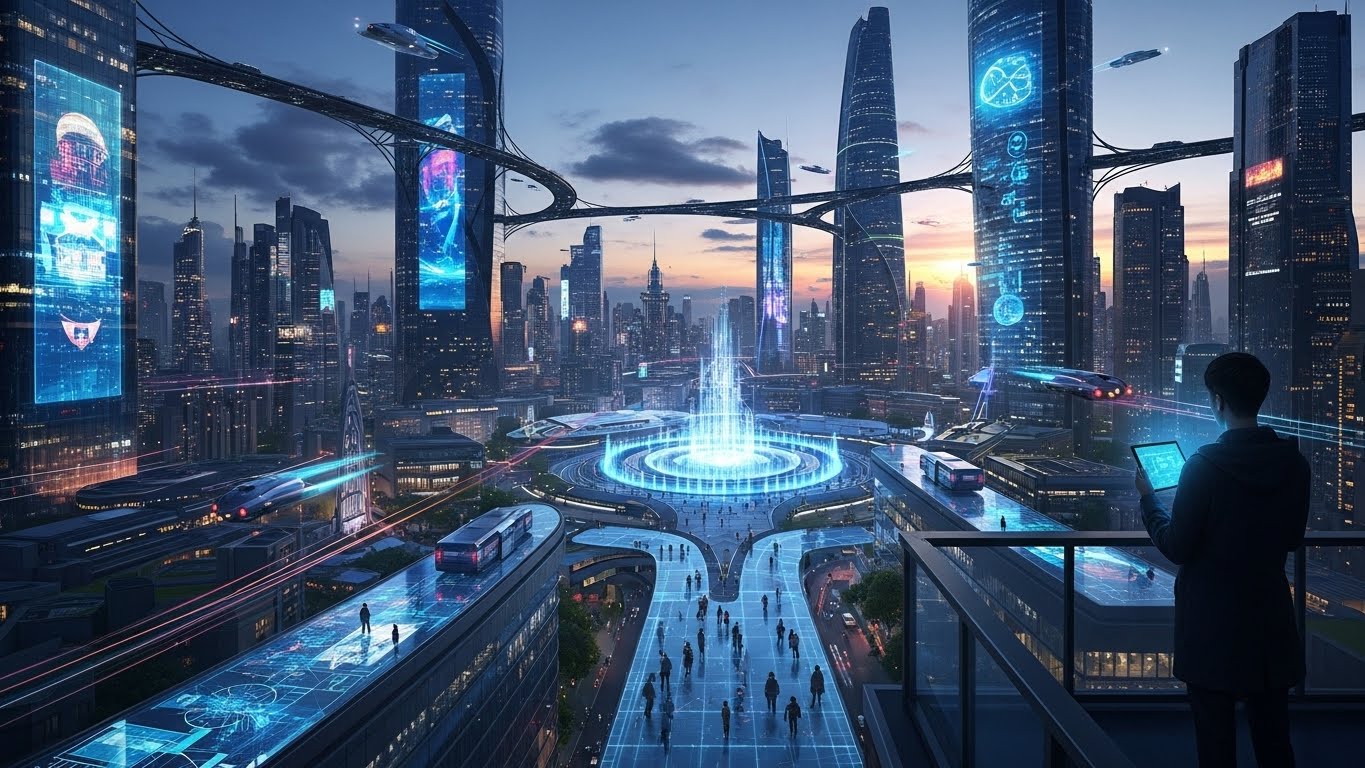
The future of technology promises even more profound transformations. Quantum computing, advanced robotics, and biotechnology are set to redefine what is possible. Smart cities, connected devices, and AI-driven decision-making will further integrate technology into daily life.
Space exploration and interplanetary technology may expand human presence beyond Earth, while medical and genetic innovations could revolutionize longevity and quality of life. Technology will continue to reshape how we live, work, and interact, presenting opportunities and challenges that require innovation, foresight, and ethical responsibility.
Conclusion: Embracing the Technological Era
Technology is more than just tools and devices; it is a catalyst for human progress. It has transformed communication, education, healthcare, entertainment, and the way we interact with the world. Its influence is pervasive, shaping society, economy, and culture in unprecedented ways.
As we continue to advance, embracing technology responsibly is crucial. Innovation, when guided by ethical principles and social awareness, can enhance human potential and improve quality of life. The technological era offers boundless opportunities, and by harnessing its power thoughtfully, humanity can create a future that is smarter, more connected, and more sustainable.
Technology is not just reshaping our world—it is redefining what it means to be human in a rapidly evolving digital landscape.