Technology has become the heartbeat of the modern era, shaping how we think, work, and live. From the devices in our pockets to the systems that power entire cities, technology continues to evolve at a breathtaking pace. Every new breakthrough brings opportunities for progress and challenges that push humanity forward. This article explores the most influential areas of technology that are revolutionizing our future and redefining the limits of possibility.
Artificial Intelligence: The Mind of Machines
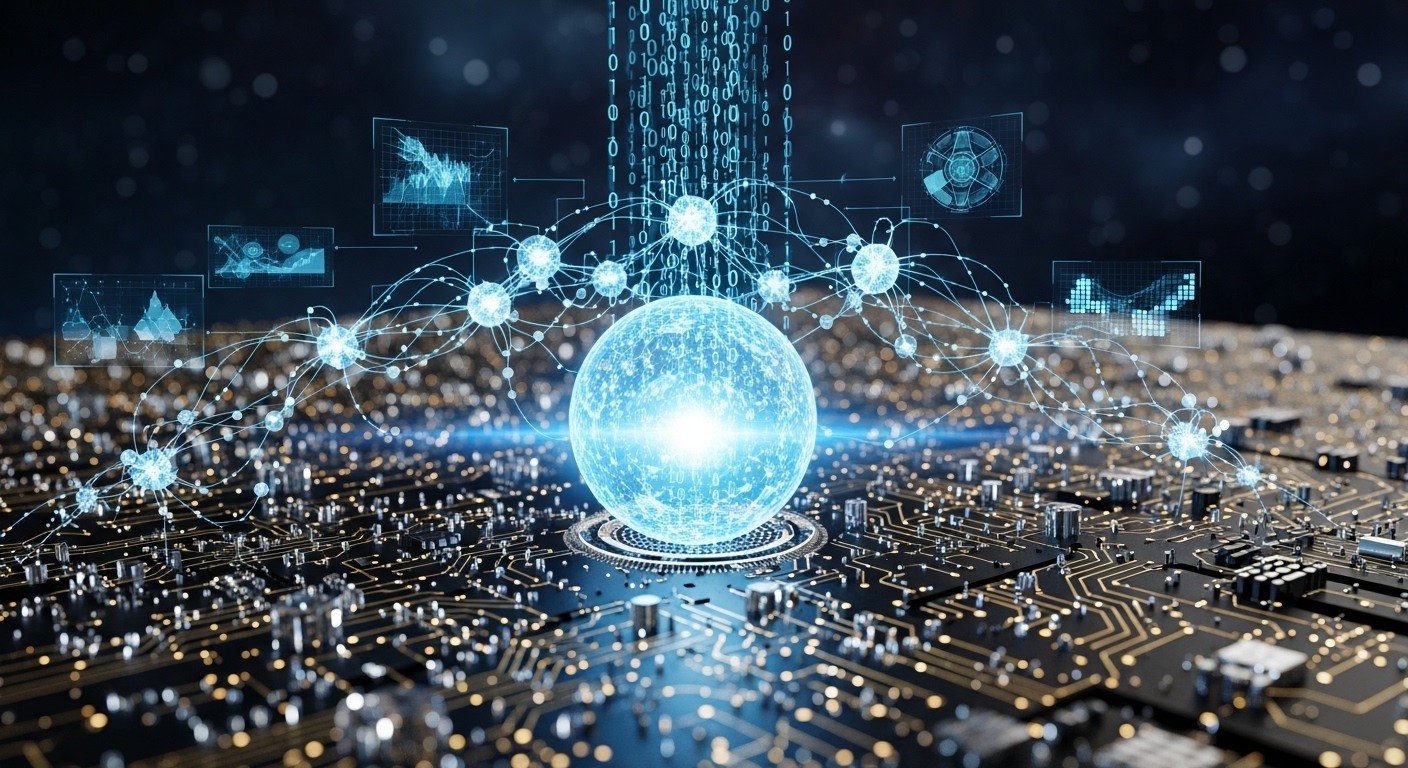
Artificial Intelligence, commonly known as AI, is one of the most transformative technologies of the twenty-first century. It is no longer confined to science fiction; AI is actively integrated into our daily routines. From voice assistants and chatbots to advanced medical diagnosis systems, AI is reshaping the way we interact with technology.
Machine learning, a branch of AI, allows computers to learn and adapt without being explicitly programmed. This ability has unlocked new potential in fields like healthcare, finance, and education. In the coming years, AI is expected to become more intuitive, capable of predicting human behavior and making decisions that enhance productivity, creativity, and efficiency.
Quantum Computing: The Future of Speed and Power
Quantum computing represents a monumental leap beyond traditional computing. Instead of using binary bits, which process data as ones or zeros, quantum computers use quantum bits, or qubits, that can exist in multiple states at once. This allows them to process massive amounts of data simultaneously, solving problems that would take classical computers centuries to complete.
The implications of quantum computing are vast. It could revolutionize data encryption, accelerate medical research, and improve artificial intelligence systems. While quantum computers are still in their early stages of development, researchers across the world are racing to unlock their full potential. In the near future, quantum technology may become the foundation of next-generation computing.
The Rise of 5G: A New Era of Connectivity
The introduction of 5G technology marks a new chapter in global communication. Unlike its predecessors, 5G offers lightning-fast internet speeds, minimal latency, and the capacity to connect millions of devices simultaneously. This advancement is essential for the Internet of Things, which relies on seamless connections between smart devices.
With 5G, the dream of fully connected smart cities is becoming a reality. Traffic systems, home appliances, and healthcare devices can communicate and operate in harmony, improving efficiency and convenience. Moreover, 5G technology will power innovations like autonomous vehicles, remote surgeries, and advanced virtual experiences that require instant data transmission.
Robotics: Machines That Learn and Adapt
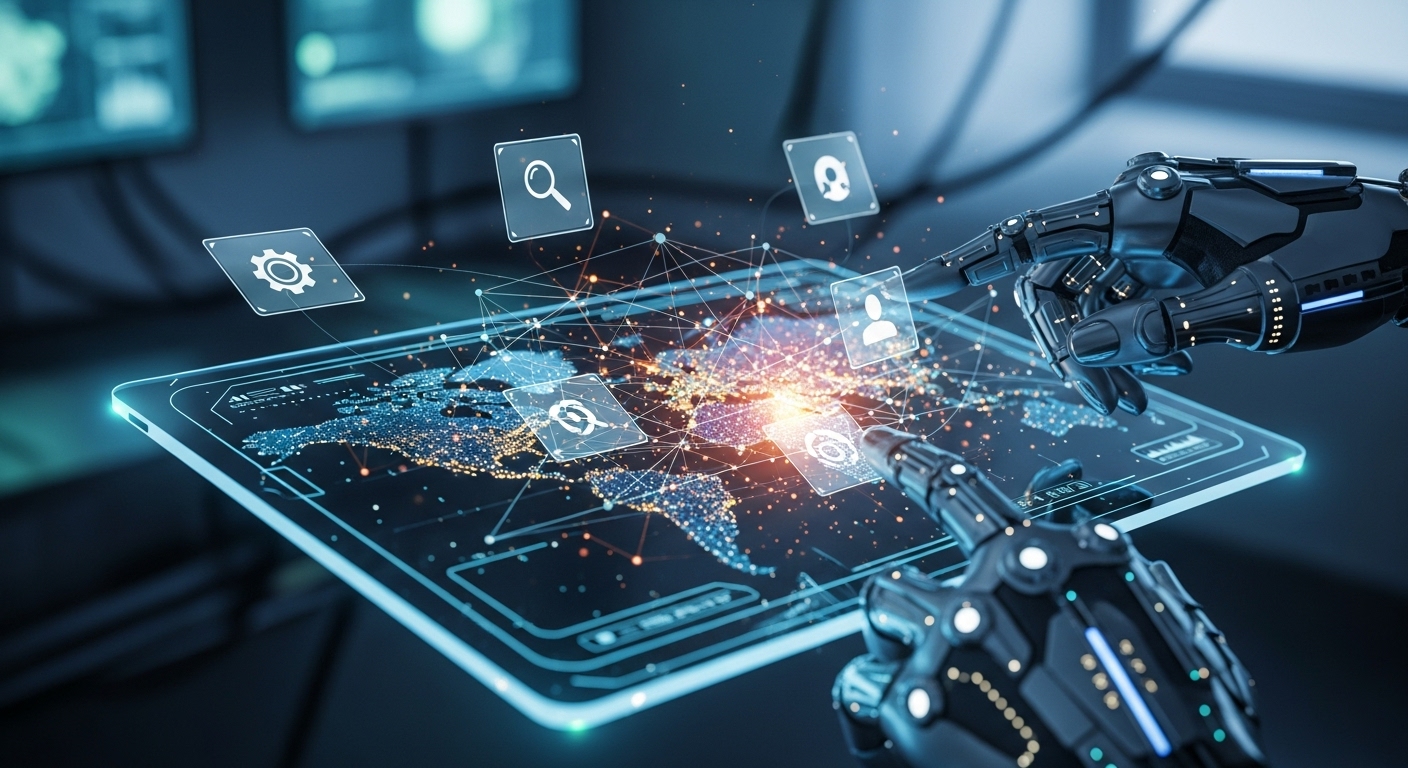
Robotics has grown far beyond simple automation. Modern robots are equipped with sensors, cameras, and AI-driven intelligence that allow them to think, learn, and react to their environment. They are used in various industries such as manufacturing, healthcare, and agriculture, performing tasks that are dangerous, repetitive, or require extreme precision.
In healthcare, robots assist in complex surgeries with unmatched accuracy. In agriculture, robotic systems help farmers monitor crops and harvest produce efficiently. As technology advances, robots are expected to become more human-like, capable of performing tasks that demand empathy and creativity. The rise of robotics signifies a future where humans and machines collaborate seamlessly.
Biotechnology: Engineering Life for a Better Tomorrow
Biotechnology is one of the most promising fields in modern science. By combining biology with technology, scientists are unlocking new possibilities in medicine, agriculture, and environmental protection. Breakthroughs like gene editing through CRISPR have opened doors to curing genetic diseases and improving crop resistance.
In medicine, biotechnology enables the development of personalized treatments tailored to a patient’s unique genetic code. In agriculture, it helps produce sustainable and high-yield crops to meet global food demands. As the field continues to grow, biotechnology holds the key to solving some of humanity’s greatest challenges—extending life, improving health, and ensuring a sustainable future for generations to come.
Renewable Energy: Powering the Planet Sustainably
With the increasing concern about climate change, renewable energy technologies are at the forefront of global innovation. Solar panels, wind turbines, and hydroelectric systems are becoming more efficient and affordable, helping to reduce our dependence on fossil fuels.
Energy storage is another area witnessing rapid development. Advanced battery technologies are allowing renewable energy to be stored for use even when the sun isn’t shining or the wind isn’t blowing. Additionally, smart grids are improving the way electricity is distributed, making energy consumption more efficient. These innovations are paving the way for a cleaner, greener planet driven by sustainable power.
The Metaverse: A New Dimension of Reality
The Metaverse is a bold new step in the evolution of the internet. It combines elements of virtual reality, augmented reality, and digital communication to create immersive environments where people can work, play, and interact. This digital world blurs the boundaries between physical and virtual experiences.
In the Metaverse, individuals can attend virtual meetings, shop for digital goods, and even own property. Businesses are already investing in this space, seeing it as the next major platform for social interaction and commerce. As technology improves, the Metaverse may redefine entertainment, education, and even how we experience life itself.
Cybersecurity: Protecting the Digital Frontier
As technology becomes more integrated into daily life, cybersecurity has become a top priority. The digital world is expanding rapidly, and with that expansion comes greater risk. Cyberattacks, data breaches, and digital fraud have become common threats in the modern era.
To counter these risks, new technologies are emerging to strengthen digital defenses. Artificial intelligence is being used to detect threats before they cause harm, while encryption techniques are evolving to protect sensitive data. Cybersecurity will remain a cornerstone of technological progress, ensuring that our connected world remains safe and secure.
Conclusion: The Future is Now
The future of technology is not something far away—it is unfolding around us every single day. From artificial intelligence to renewable energy, the innovations of today are shaping a smarter, more connected, and more sustainable tomorrow.
As humanity continues to explore new frontiers in science and innovation, one thing is certain: technology will remain the driving force behind progress. The challenge lies not just in creating new tools but in using them responsibly to build a future that benefits everyone. The revolution has begun, and the possibilities are limitless.