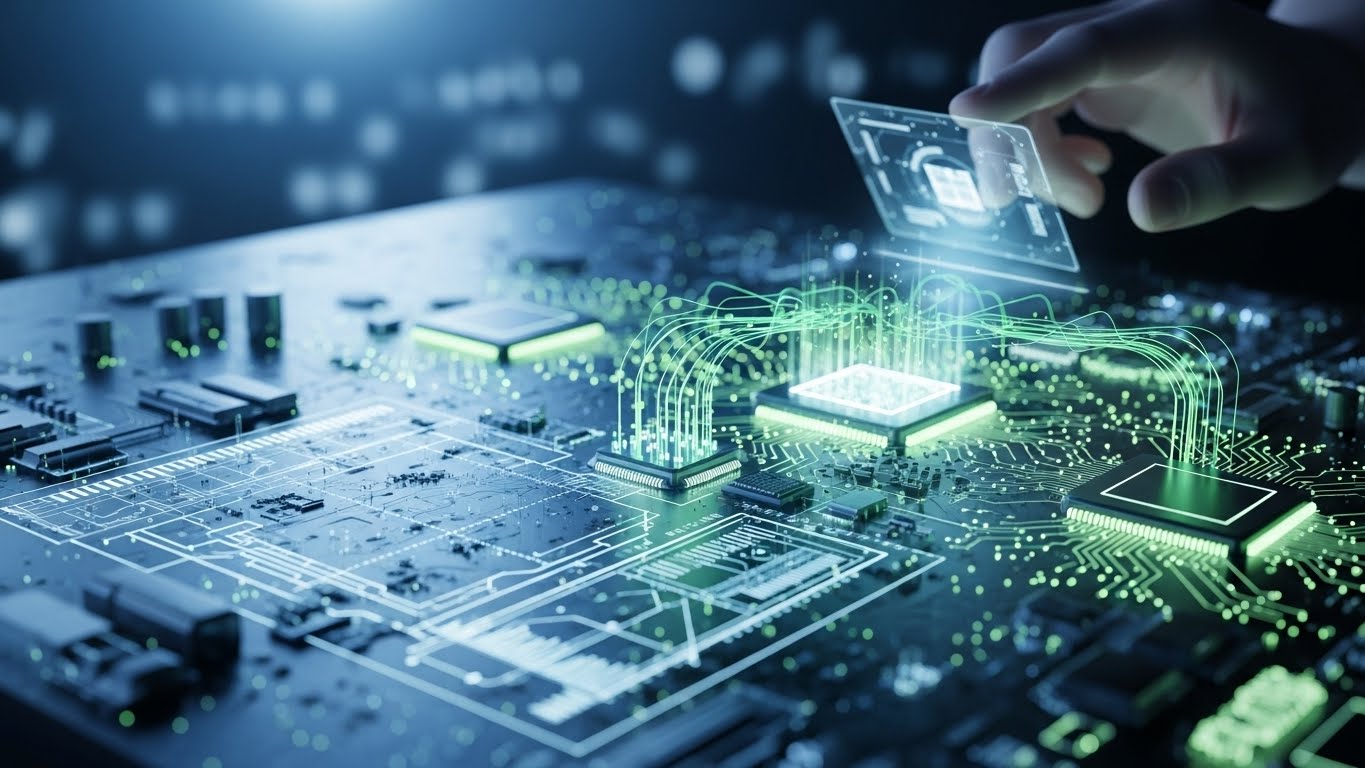
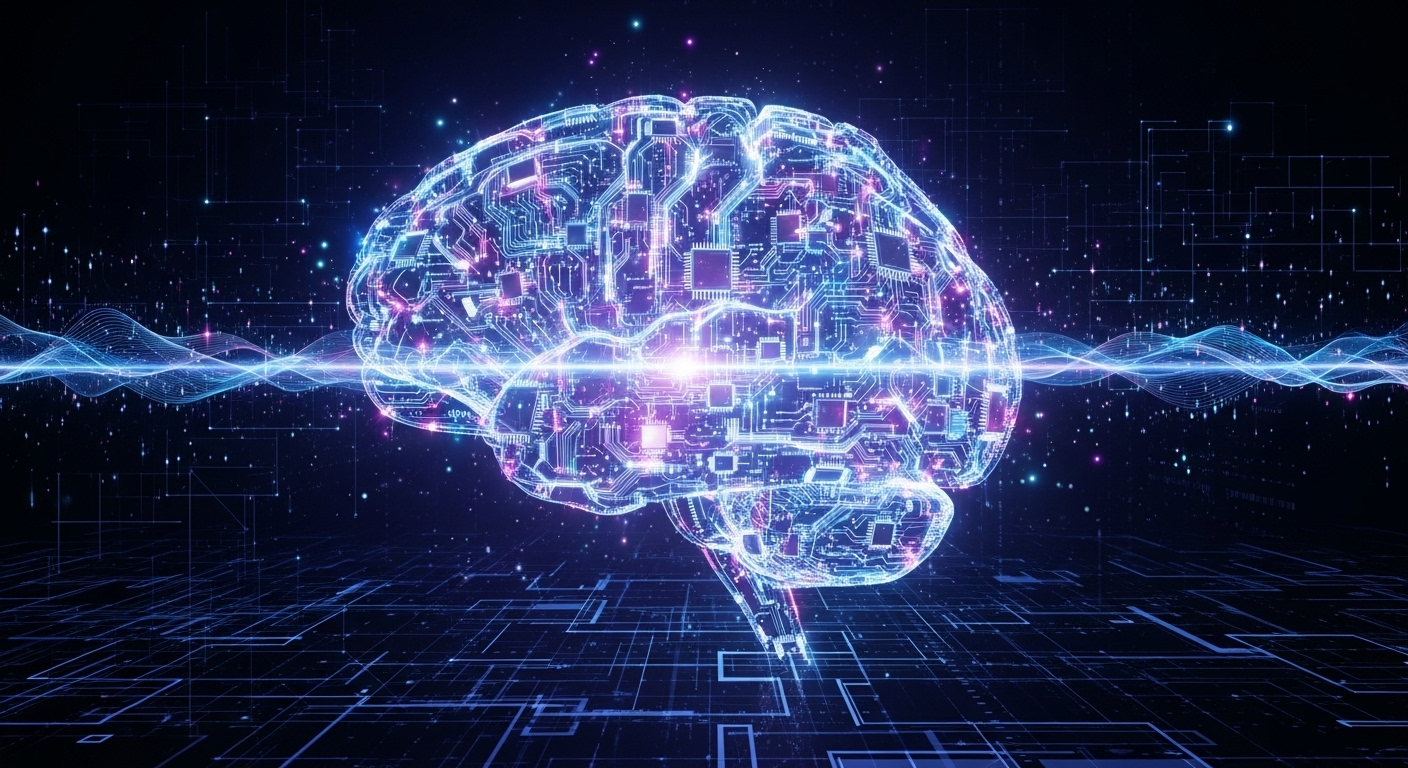
Technology is an inseparable part of modern life. From the devices we carry in our pockets to the software that powers global businesses, technology continuously reshapes the way we live, work, and interact. Its rapid advancement has transformed industries, created new opportunities, and challenged traditional ways of thinking. In this blog, we explore the many facets of technology, including emerging trends, innovations, impacts on society, and the future possibilities that lie ahead.
The Digital Revolution and Its Impact
The digital revolution began in the latter half of the 20th century with the advent of computers and the internet. These innovations changed the way information is created, stored, and shared. Before digital technologies, data processing was slow, cumbersome, and often error-prone. Today, digital tools allow for instantaneous communication, complex calculations, and global connectivity.
Businesses were among the first to harness the power of technology. From automating manual tasks to improving customer experiences, technology enabled companies to become more efficient and competitive. Industries like finance, healthcare, and manufacturing saw dramatic transformations as technology streamlined operations and opened doors to innovations previously thought impossible.
The impact on everyday life has been equally profound. Smartphones, wearable devices, and smart home technologies have redefined convenience and accessibility. Tasks that once required physical presence can now be performed virtually, from banking to education. The digital revolution has created a world that is more connected, faster, and, in many ways, more intelligent.
Artificial Intelligence: The Brain Behind Modern Technology
Artificial Intelligence, or AI, is at the forefront of technological innovation. AI refers to computer systems that can perform tasks typically requiring human intelligence, such as visual perception, speech recognition, decision-making, and language translation.
AI is transforming various sectors. In healthcare, AI algorithms analyze medical data to detect diseases earlier and recommend personalized treatments. In finance, AI-powered systems detect fraudulent transactions and predict market trends. Retailers use AI to personalize shopping experiences, ensuring customers see products tailored to their preferences.
Machine learning, a subset of AI, allows computers to learn from data without explicit programming. This capability has enabled breakthroughs in fields like natural language processing, autonomous vehicles, and predictive analytics. AI’s potential is vast, but it also raises ethical considerations, including privacy concerns, bias in algorithms, and the future of human employment in an AI-driven world.
Cloud Computing: Redefining Storage and Accessibility
Cloud computing has revolutionized the way individuals and organizations store, manage, and access data. Instead of relying on physical servers and hard drives, cloud technology allows users to store information on remote servers accessible via the internet.
The benefits of cloud computing are numerous. For businesses, it reduces costs associated with hardware, maintenance, and IT infrastructure. It also provides scalability, enabling companies to expand resources quickly to meet growing demands. For individuals, cloud storage ensures that files, photos, and videos are accessible from any device at any time.
Cloud technology also fuels innovation in other areas. It supports big data analytics, enabling organizations to process vast amounts of information efficiently. It powers AI applications, providing the computational resources necessary for complex machine learning tasks. As cloud computing continues to evolve, concepts like edge computing and hybrid cloud solutions are gaining traction, further enhancing performance and flexibility.
The Internet of Things: Connecting the World
The Internet of Things (IoT) is a network of interconnected devices capable of collecting and exchanging data. From smart thermostats and wearable fitness trackers to industrial sensors and autonomous vehicles, IoT devices have permeated nearly every aspect of daily life.
IoT offers numerous advantages. It improves efficiency by automating routine tasks, reduces energy consumption through smart systems, and enhances safety by monitoring critical parameters in real time. In agriculture, IoT sensors monitor soil conditions and crop health, leading to better yields and resource management. In healthcare, wearable devices track vital signs, providing doctors with real-time data for accurate diagnoses and treatments.
However, IoT also presents challenges. Security and privacy concerns are paramount, as interconnected devices are vulnerable to cyberattacks. Standardization is another issue, as different devices and platforms must communicate seamlessly to realize IoT’s full potential. Despite these challenges, the IoT ecosystem continues to grow rapidly, driving innovation across industries and reshaping the concept of connectivity.
Blockchain Technology: Beyond Cryptocurrency
Blockchain is often associated with cryptocurrencies like Bitcoin, but its applications extend far beyond digital money. A blockchain is a decentralized digital ledger that records transactions across multiple computers securely and transparently. Its core features—immutability, transparency, and decentralization—make it valuable for a variety of applications.
Supply chain management, for example, benefits from blockchain by providing a transparent record of product movements. Financial services use blockchain for secure and fast cross-border transactions. Even in voting systems, blockchain can enhance security and reduce the risk of tampering.
Blockchain’s potential lies in its ability to remove intermediaries and establish trust in digital interactions. While adoption has been slower in some sectors due to regulatory and technical challenges, ongoing research and innovation continue to expand its possibilities.
Emerging Technologies Shaping the Future
Several emerging technologies are poised to redefine the technological landscape in the coming years. Among them are quantum computing, 5G networks, augmented reality (AR), and virtual reality (VR).
Quantum Computing: Quantum computers leverage the principles of quantum mechanics to perform calculations far beyond the capabilities of classical computers. This technology has the potential to revolutionize fields like cryptography, material science, and drug discovery.
5G Networks: The rollout of 5G technology promises ultra-fast internet speeds, lower latency, and the ability to connect massive numbers of devices simultaneously. This network will support innovations like smart cities, autonomous vehicles, and advanced IoT systems.
Augmented and Virtual Reality: AR and VR are transforming entertainment, education, and training. AR overlays digital information on the real world, while VR immerses users in entirely virtual environments. These technologies create new ways to interact with digital content and enhance human experiences.
Biotechnology and Tech Integration: Advances in biotechnology, combined with digital technologies, are enabling breakthroughs in personalized medicine, genetic engineering, and healthcare diagnostics. Wearable devices, AI-driven analytics, and telemedicine are converging to create a highly connected and proactive healthcare ecosystem.
Cybersecurity: Protecting the Digital Frontier
As technology advances, so do the threats associated with it. Cybersecurity has become a critical concern for individuals, businesses, and governments. From ransomware attacks and data breaches to identity theft and cyber espionage, the digital world is fraught with risks.
Cybersecurity involves protecting networks, systems, and data from unauthorized access or attacks. This includes implementing firewalls, encryption, multi-factor authentication, and regular software updates. It also requires awareness and education, as human error is often the weakest link in digital security.
The importance of cybersecurity extends beyond prevention. Organizations must also have robust incident response plans, ensuring that any breaches are quickly detected, contained, and mitigated. As technology continues to evolve, cybersecurity strategies must adapt, addressing emerging threats and protecting the digital ecosystem.
The Social and Economic Impacts of Technology
Technology’s influence goes beyond gadgets and software; it reshapes society and the global economy. The rise of automation and AI is transforming the workforce, requiring new skills and creating new job opportunities while rendering some traditional roles obsolete. Lifelong learning and adaptability have become essential in a rapidly changing job market.
Socially, technology has changed how people communicate, interact, and form communities. Social media platforms connect people across the globe, fostering communication and cultural exchange. At the same time, concerns about misinformation, digital addiction, and online privacy have emerged, highlighting the need for responsible and ethical technology use.
Economically, technology drives innovation, entrepreneurship, and productivity. Startups leveraging new technologies can scale quickly, disrupt traditional industries, and create entirely new markets. Governments and businesses recognize the importance of investing in research and development, digital infrastructure, and education to stay competitive in a technology-driven world.
The Future of Technology: Possibilities and Challenges
Looking ahead, technology promises both exciting possibilities and significant challenges. Artificial intelligence, quantum computing, biotechnology, and space exploration are just a few areas where groundbreaking advancements are expected. These innovations could transform medicine, energy, communication, transportation, and even human cognition.
However, rapid technological change also presents ethical and societal dilemmas. Issues such as AI bias, data privacy, cyber warfare, and the environmental impact of digital infrastructure require careful consideration. Society must balance the pursuit of innovation with ethical responsibility, ensuring that technology serves humanity rather than creating unintended consequences.
Education and collaboration will play a crucial role in shaping the future. Preparing future generations with the skills and mindset to navigate a technology-driven world is essential. Global collaboration in research, regulation, and innovation can help address shared challenges and maximize the benefits of emerging technologies.
Conclusion
Technology is not just a tool; it is the driving force behind modern society’s evolution. From AI and cloud computing to IoT and blockchain, each advancement reshapes the world in profound ways. The digital revolution has transformed industries, connected people across continents, and opened new avenues for innovation.
As we look to the future, the possibilities are boundless. Emerging technologies promise to redefine medicine, communication, transportation, and even our understanding of reality itself. At the same time, the ethical, social, and environmental implications must be carefully managed to ensure that technological progress benefits everyone.
In essence, technology is a reflection of human creativity, ambition, and curiosity. Its impact on society is unparalleled, and its potential is limited only by our imagination. By embracing innovation responsibly and thoughtfully, we can navigate the challenges and seize the opportunities that technology presents, creating a future that is smarter, more connected, and infinitely more exciting.